In 2026, the digital landscape is more competitive than ever, with brands facing rising advertising costs and declining conversion rates. For example, brands spent 13.2% more on digital ads in 2024, yet saw a 6.1% drop in conversions.
To stand out, businesses must master both innovative strategies and marketing and conversion optimization. Integrated, end-to-end approaches that bridge brand awareness and performance are now essential for success.
This guide delivers actionable strategies and data-driven insights to help you maximize marketing ROI and drive higher conversions. Discover the latest fundamentals, the impact of AI and automation, step-by-step optimization tactics, critical metrics, and future trends shaping success.
Ready to boost your results? Start implementing these proven methods and achieve measurable marketing growth in 2026.
The Fundamentals of Marketing and Conversion in 2026
Marketing and conversion strategies are at the core of every successful digital business in 2026. At its heart, conversion marketing focuses on driving users to take specific actions that align with business goals, such as purchases or sign-ups. Today, the lines between brand marketing and performance marketing are blurring, requiring teams to balance long-term awareness with immediate results.
Conversion optimization is growing in importance as brands face higher digital ad costs and shrinking conversion rates. According to recent conversion rate optimization statistics 2025, companies investing in data-driven conversion tactics see measurable improvements, making optimization an essential part of any marketing and conversion plan.
The buyer’s journey is more complex than ever. It involves four main stages:
- Awareness
- Consideration
- Decision
- Retention
A holistic approach is crucial, not just focusing on the top or bottom of the funnel. For example, in B2B, prospects often complete several micro-conversions—like downloading a whitepaper or scheduling a demo—before making a final decision.
Consumer expectations are also evolving. Audiences now demand personalized, seamless digital experiences across multiple channels. Omnichannel engagement is no longer optional; it’s the new standard in marketing and conversion success.
Ultimately, thriving in 2026 means continuously adapting your strategies and making data-driven decisions. The landscape rewards those who stay agile and responsive to both technology shifts and customer needs.
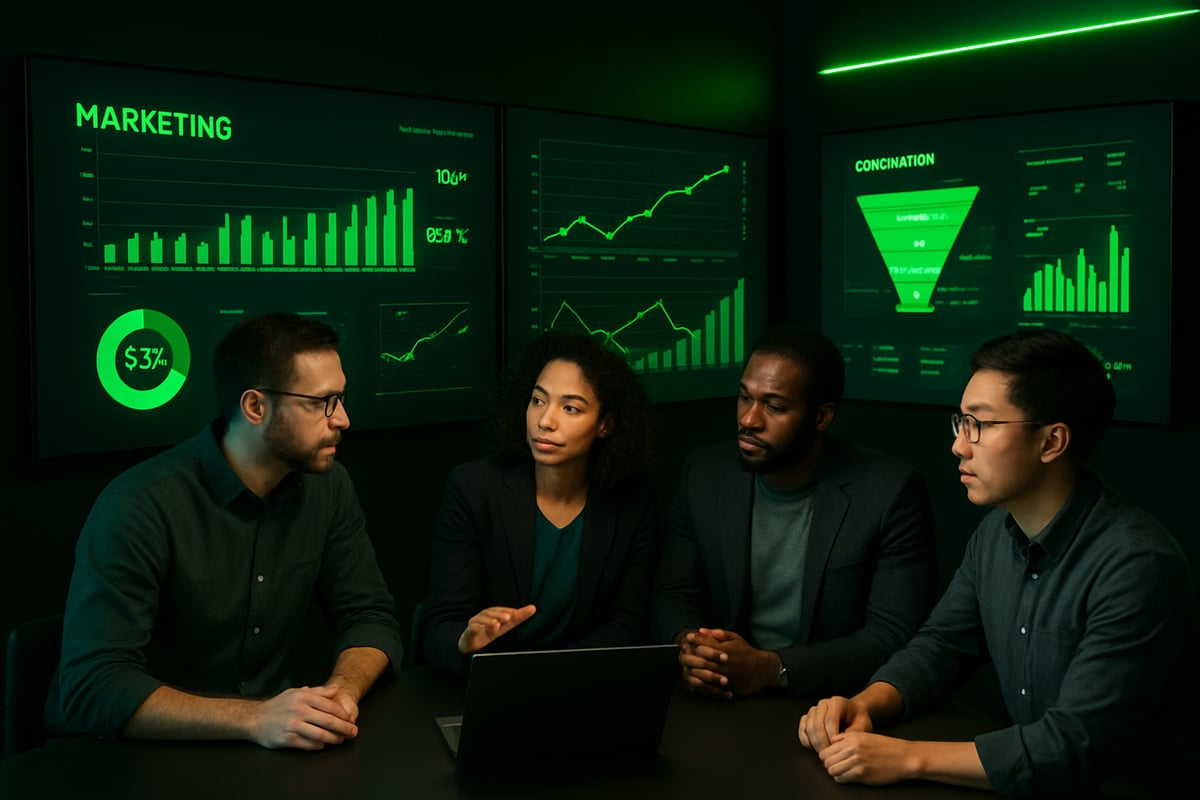
Step-by-Step Strategies to Optimize Your Conversion Funnel
Optimizing your marketing and conversion funnel starts with clear, actionable steps. Each stage of the process is designed to address specific pain points, drive engagement, and ultimately increase conversions. Here’s how to break it down for success in 2026.
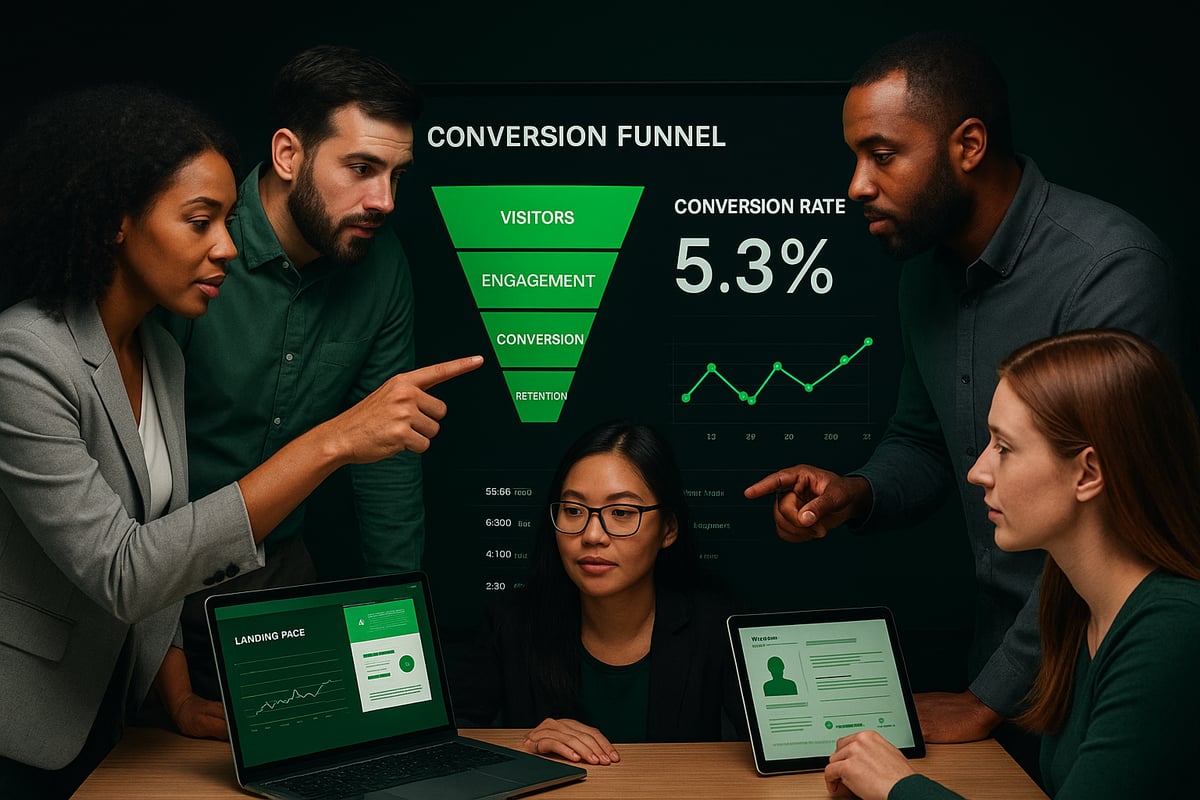
Step 1: Define and Map Your Conversion Goals
Begin by setting clear, measurable objectives for every campaign. Identify primary and secondary actions, such as purchases, sign-ups, or downloads. Review past results and industry benchmarks to set realistic targets. This approach ensures your marketing and conversion efforts are focused, trackable, and aligned with business goals.
Step 2: Segment and Understand Your Audience
Build detailed buyer personas using demographic, psychographic, and behavioral data. Segment users into groups, for example:
- New vs. returning visitors
- High-value vs. low-value customers
- Different geographic regions
Tailor your messaging and offers to each segment, increasing relevance and engagement at every funnel stage.
Step 3: Personalize Content and Messaging Across Channels
Leverage dynamic creative optimization and contextual targeting to deliver personalized experiences. Use AI-powered tools to test and scale messaging variants. For example, retailers can employ AI to personalize product recommendations, leading to higher conversion rates and stronger customer relationships.
Step 4: Streamline User Experience on Websites and Landing Pages
Optimize landing pages for speed, clarity, and mobile responsiveness. Clear calls-to-action and minimal friction, such as fewer form fields, boost conversion rates. For more proven techniques, explore these conversion-focused landing page campaigns to inspire your marketing and conversion improvements.
Step 5: Nurture and Retarget Prospects
Deploy retargeting ads, automated emails, and loyalty programs to re-engage prospects who didn’t convert on the first visit. Use strategies like abandoned cart emails or exit-intent popups. This keeps your brand top-of-mind and helps recover potential lost sales efficiently.
Leveraging AI, Automation, and Advanced Technologies
Artificial intelligence and automation are revolutionizing marketing and conversion strategies in 2026. As digital channels multiply, businesses rely on these technologies to create, personalize, and optimize campaigns faster and more effectively than ever.
Key benefits of integrating AI and automation include:
- Rapid content creation: Generative AI tools enable marketers to test and scale messaging variants quickly.
- Personalized experiences: AI-driven algorithms tailor content and offers to each user, boosting engagement and conversion rates.
- Campaign optimization: Automation platforms streamline lead nurturing, triggered messaging, and cross-channel orchestration.
For example, brands are now using AI-powered platforms to generate conversion-optimized messaging at scale. This allows for dynamic adjustments based on real-time user behavior, leading to higher conversion rates.
Integrated analytics and attribution tools play a critical role in monitoring performance. Marketers can track user actions across multiple touchpoints, making data-driven decisions that refine marketing and conversion outcomes.
The convergence of adtech and martech is creating unified customer journeys. By leveraging AI and martech convergence insights, businesses can orchestrate seamless experiences across every channel.
Enterprise marketers consistently report higher ROI when campaigns leverage both automation and AI-driven insights. In today's competitive landscape, companies that embrace these technologies will outpace others in both efficiency and conversion growth.
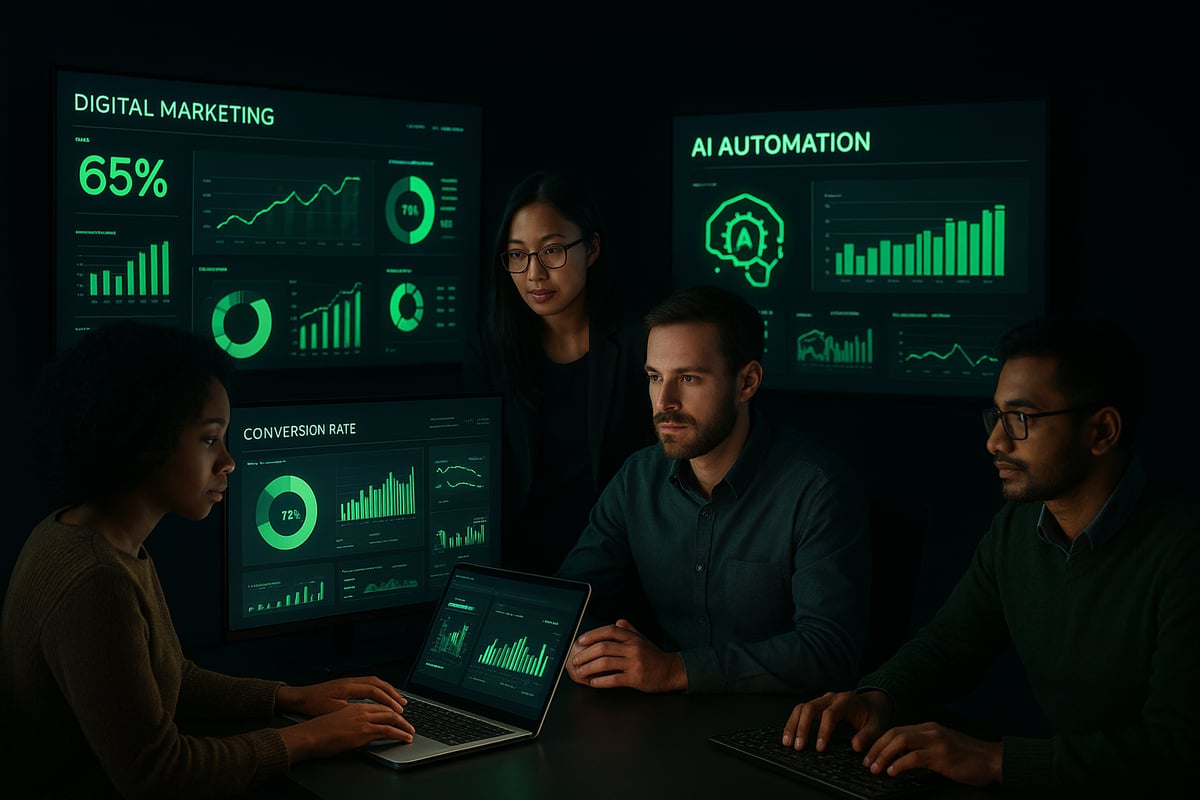
Key Metrics and KPIs for Measuring Conversion Success
Measuring performance is critical for any marketing and conversion strategy. The right metrics help you see what works, optimize your campaigns, and ultimately boost ROI. But which numbers matter most in 2026?
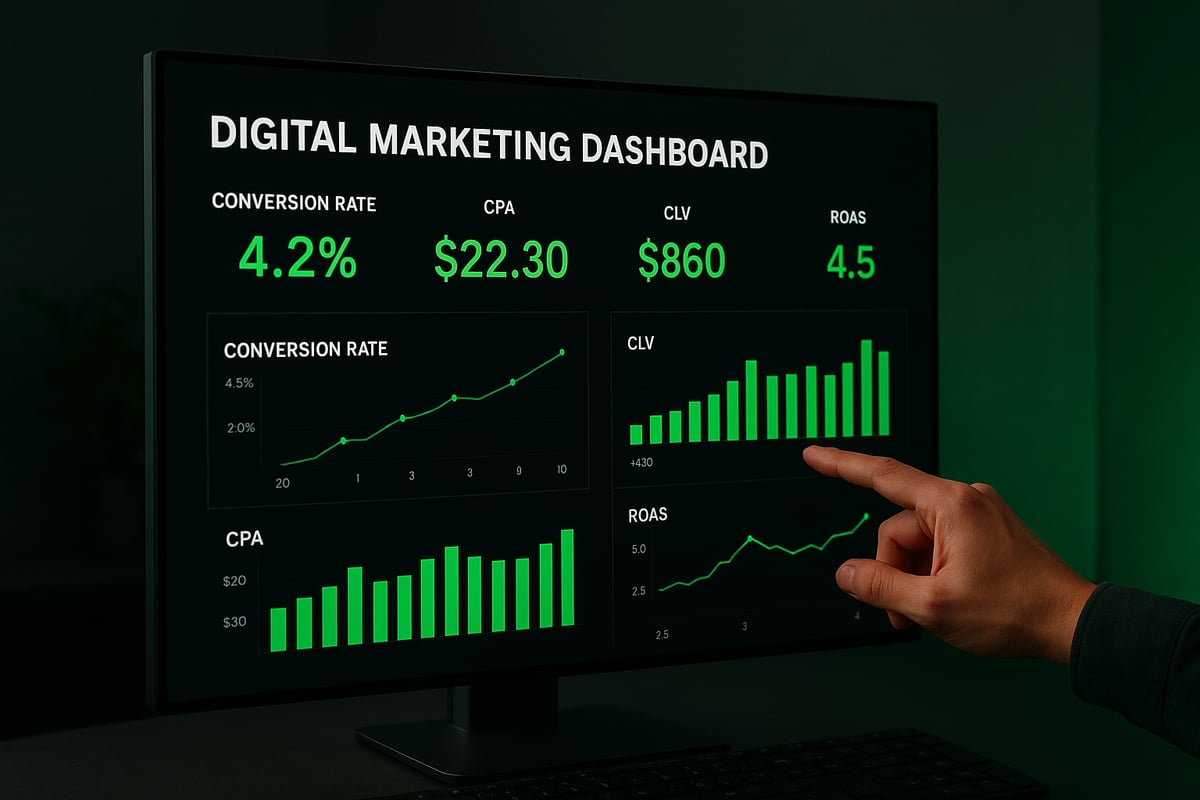
Core Metrics to Track:
| Metric | What It Measures | Why It Matters |
|---|---|---|
| Conversion Rate | % of visitors completing desired action | Direct measure of effectiveness |
| Cost Per Acquisition | Cost to gain a customer or lead | Understands campaign efficiency |
| Lead Volume | Number of leads generated | Gauges top-of-funnel health |
| Customer Lifetime Value | Revenue per customer over time | Informs long-term strategy |
| Return on Ad Spend | Revenue generated per ad dollar spent | Measures profitability |
| Bounce Rate | % of single-page visits | Indicates user experience |
Tracking these marketing and conversion KPIs across multiple channels is vital. Use tools like UTM parameters, Google Analytics, and Essential marketing analytics tools to map every touchpoint accurately.
For example, segmenting new versus returning visitors can reveal which audiences are more likely to convert. This insight helps you refine retargeting and personalization efforts for stronger performance.
Setting clear benchmarks and monitoring progress lets you quickly spot trends, fix underperforming areas, and scale successes. Top brands focus on conversion-focused metrics, not just vanity numbers, to drive real business growth.
In 2026, data-driven marketing and conversion decisions are your fastest path to higher ROI and sustainable results.
Best Practices for Continuous Improvement and Scaling
Continuous improvement is the backbone of successful marketing and conversion efforts in 2026. To stay ahead, brands must embrace a test-and-learn mindset, constantly experimenting with creatives, landing pages, and offers. Regular A/B testing reveals what truly resonates with your audience and unlocks new growth opportunities.
Best practices for ongoing optimization include:
- Analyzing user behavior with heatmaps and session recordings to pinpoint friction points.
- Gathering customer feedback through surveys and usability testing to refine digital experiences.
- Collaborating across creative, analytics, and media buying teams to ensure holistic improvements.
Identifying and removing barriers in the user journey is crucial for boosting marketing and conversion rates. Brands that leverage automation and data-driven insights, as highlighted in AI in marketing automation statistics, see significant efficiency gains and increased conversions.
Once you discover winning strategies, scale them across new channels and audience segments. Referencing performance marketing strategies can help guide the expansion of your most effective campaigns. In a rapidly evolving market, continuous optimization is the only way to maintain high conversion rates and maximize ROI.
Future Trends and Predictions for Marketing and Conversion in 2026
Looking ahead to 2026, the landscape of marketing and conversion is set for rapid transformation. AI-driven personalization and predictive analytics will power more tailored customer experiences. According to recent insights, generative AI adoption in marketing is accelerating, with brands leveraging it to boost efficiency and conversion rates.
Omnichannel strategies are also becoming essential. Expect seamless integration across social media, connected TV, digital out-of-home, and even in-game advertising platforms. As privacy regulations tighten, first-party data and compliant targeting will be critical for effective marketing and conversion efforts.
Attribution models will grow more advanced, helping marketers measure performance across devices and channels. Brands are adopting conversational AI to engage customers in real time, driving immediate responses and higher conversion rates. Staying ahead of these trends will be the key to sustainable growth in 2026.
As we’ve explored, mastering marketing and conversion in 2026 is all about blending creative strategies with smart technology, adapting quickly, and always putting your audience first. If you’re ready to turn these insights into real results—boosting ticket sales, improving conversion rates, and building lasting brand awareness—why not start the conversation today We’re here to help you navigate every step, from campaign setup to advanced analytics. Curious about how these strategies could work for your next event Let’s connect and make your marketing goals a reality—Let’s Talk.