In 2026, brands face a fast-changing world where standing out means mastering a variety of advertising channels. Every day, audiences interact with content across social, digital, and offline spaces, making the competition for attention fiercer than ever.
Choosing the right advertising channels is now essential for maximizing reach, engagement, and return on investment. Brands that adapt quickly to new trends and technologies will have the edge.
This article uncovers the top 7 advertising channels set to deliver the biggest impact in 2026. You’ll discover fresh insights, real-world examples, and practical tips to help your brand thrive in this dynamic landscape.
Why Multi-Channel Advertising is Essential in 2026
Consumers in 2026 are bombarded with more than 5,000 ads every day, making it harder than ever for brands to stand out. Relying on just one or two advertising channels risks ad fatigue and limits your brand’s reach. That’s why a multi-channel approach is now essential.
When brands use multiple advertising channels, they create a more cohesive and memorable brand experience. This strategy increases brand recall and keeps audiences engaged as they move between platforms. Research shows that 77.7% of US ad budgets are projected to go to digital, yet traditional media still brings unique value to the table.
Omnichannel integration is the secret to maximizing impact. By blending traditional and digital advertising channels, brands can reach consumers wherever they are. Real-time data and AI help marketers refine campaigns, ensuring messages are personalized and delivered at the right moment. According to Advertising and Marketing Insights, brands using three or more channels can see engagement rates soar by up to 250%.
The most successful campaigns adapt quickly to consumer behavior shifts. For example, combining social media, video, and out-of-home advertising creates a buzz for product launches and keeps brands top-of-mind. Embracing multi-channel strategies in 2026 is the smartest way to stay relevant and drive results.
Top 7 Advertising Channels to Boost Your Brand in 2026
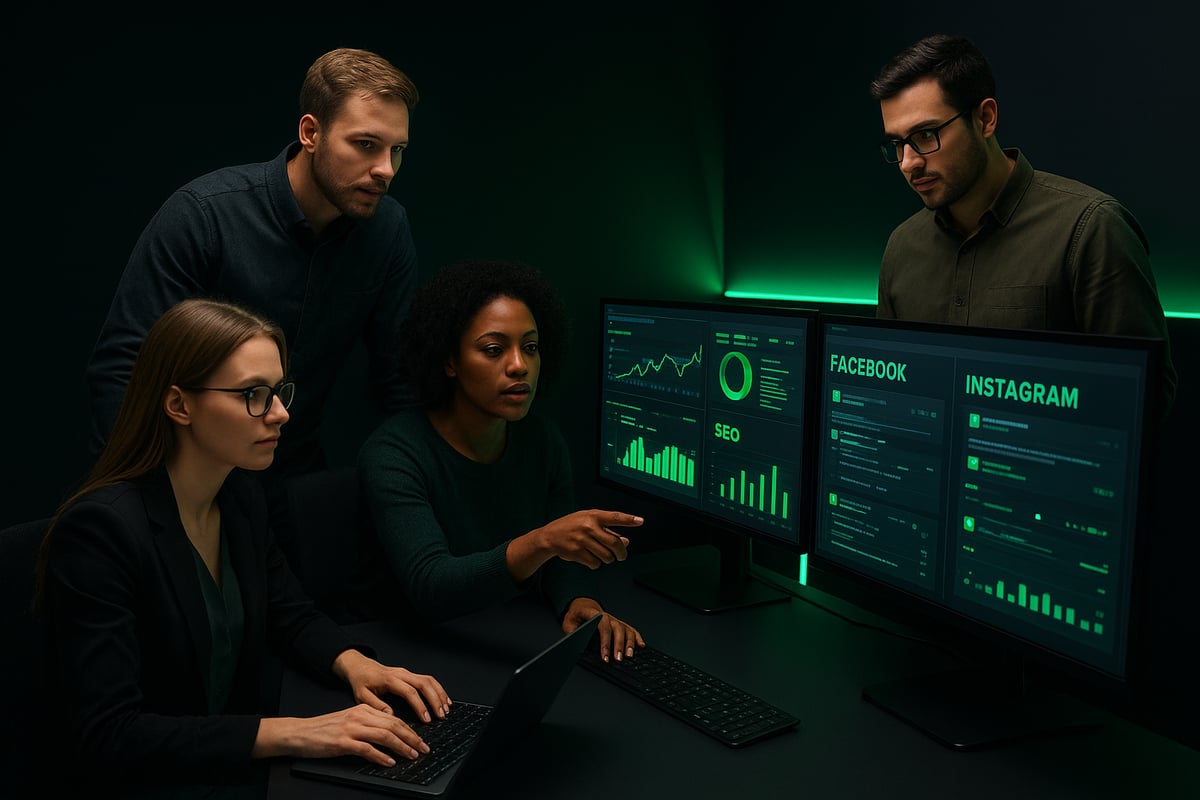
Choosing the right advertising channels in 2026 means more than just following trends. Brands must carefully select platforms that align with their audience, campaign goals, and creative strategies. The landscape is packed with opportunities for those who leverage the strengths of each channel.
Let’s break down the top 7 advertising channels you need to consider for maximum brand impact this year.
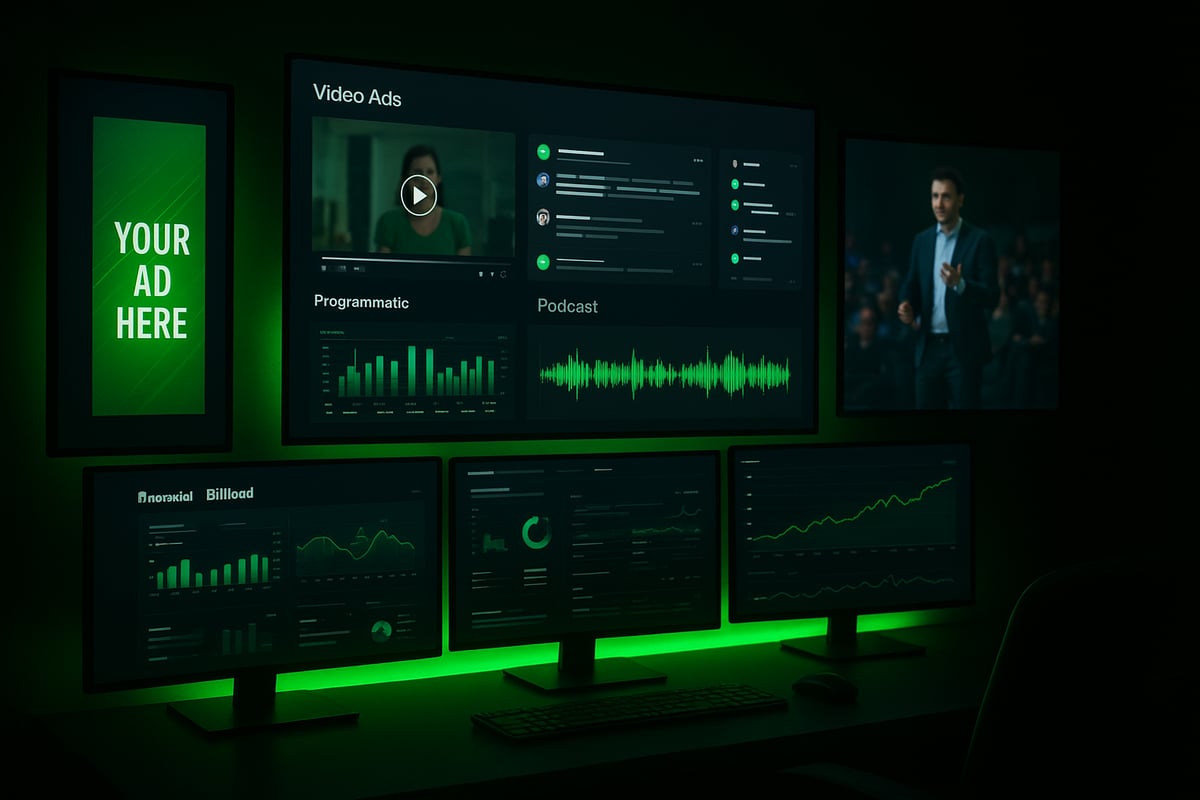
1. Video Advertising (Online & Connected TV)
Video advertising channels are at the forefront of digital marketing in 2026. Platforms like YouTube, TikTok, and Connected TV (CTV) capture massive screen time and offer precise targeting. CTV blends the reach of traditional TV with digital personalization, making it a powerhouse for brand storytelling.
Short-form and interactive video ads drive higher engagement and brand recall. For example, 6-second bumper ads on YouTube often achieve impressive completion rates. The US CTV ad spend is expected to exceed $30 billion by 2026, according to the 2026 Digital Advertising Trends Report.
To maximize results, brands should use analytics to test creative elements and placements, ensuring each campaign reaches the right viewers. Video advertising channels build emotional connections, perfect for launches and awareness.
2. Social Media Advertising
Social media advertising channels like Instagram, TikTok, Facebook, and LinkedIn offer brands access to vast audiences with precision targeting. Influencer partnerships and user-generated content boost authenticity, while advanced formats such as Stories, Reels, and Live Shopping encourage instant engagement.
Over half of users say they're more likely to purchase after seeing products promoted on social platforms. Brands often achieve viral reach by participating in TikTok challenges or leveraging trending audio.
Social ads work for both B2C and B2B, with tailored messaging for each segment. Combining paid and organic social strategies helps maintain steady growth and adaptability across all advertising channels.
3. Programmatic Display & Native Advertising
Programmatic advertising channels automate buying, letting brands serve ads to the right users at the right time. Display ads provide broad reach, while native ads blend naturally with web content, reducing ad fatigue and boosting engagement.
Native ads typically see 53 percent higher viewability rates than traditional display formats. Retargeting and A/B testing further optimize conversion rates and ad spend.
To overcome banner blindness, use creative visuals and relevant messaging. Integrate programmatic with other advertising channels for a seamless, unified digital approach.
4. Audio Advertising (Podcasts & Streaming)
Audio advertising channels reach consumers in moments when visual media cannot, such as during commutes or workouts. Podcasts offer host-read ads, fostering trust with niche audiences. Streaming platforms like Spotify and Pandora allow for demographic and interest-based targeting.
With 93 percent of US adults tuning into radio weekly and podcast listenership rising, brands increasingly sponsor podcast segments for authentic endorsements. Audio ads are cost-effective and support compelling brand storytelling.
To stand out, focus on concise, memorable messages and clear calls to action. These advertising channels can amplify your brand’s voice beyond the screen.
5. Out-of-Home (OOH) & Digital Out-of-Home (DOOH)
Out-of-home advertising channels, including billboards and transit ads, deliver high visibility in urban areas and busy locations. Digital OOH (DOOH) brings dynamic creative and real-time targeting, enhancing campaign flexibility.
Combining physical and digital tactics, brands can use geofencing to trigger mobile ads when consumers are near a billboard. OOH is particularly effective for building brand awareness during product launches or events.
While measuring impact can be tricky, pairing OOH with digital tracking tools helps brands gain valuable insights. Integrate OOH and DOOH with social and mobile advertising channels for a holistic approach.
6. Search Engine Marketing (SEM) & Retail Media Networks
Search engine marketing channels like Google Ads and Bing Ads capture high-intent audiences actively searching for solutions. Retail media networks, such as Amazon and Walmart Connect, target shoppers directly at the point of purchase.
Both types of advertising channels offer measurable ROI and detailed analytics. Brands using Google Shopping often see substantial e-commerce growth, while US retail media spend is set to surpass $60 billion in 2026.
Effective keyword research and optimized product listings are essential for success. SEM supports campaigns at both local and global levels, making it a cornerstone of modern advertising channels.
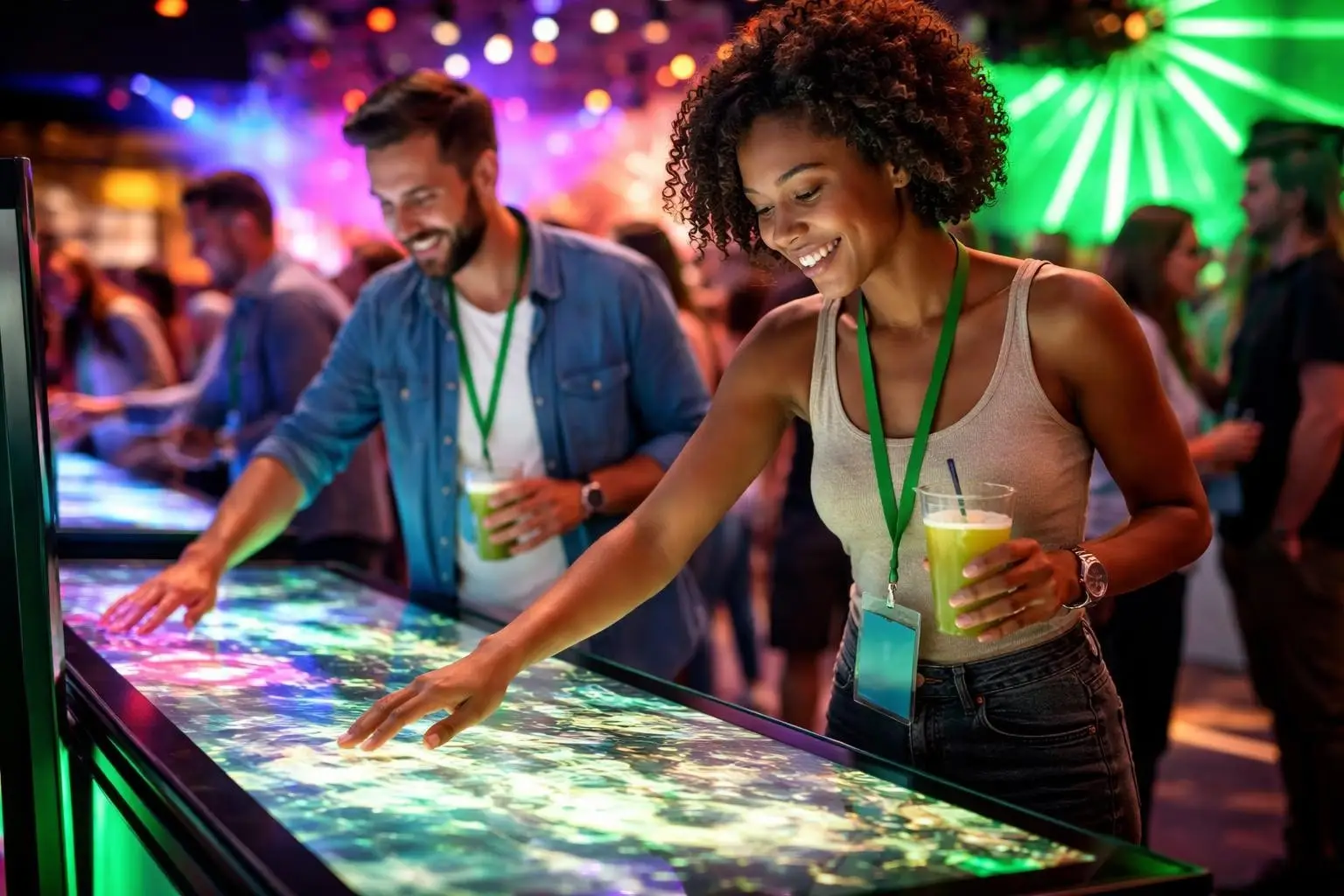
7. Event Marketing & Experiential Advertising
Event marketing channels, including virtual, hybrid, and live experiences, immerse audiences and foster real-time engagement. Experiential advertising builds emotional bonds and encourages social sharing, extending reach far beyond the event itself.
Hybrid events combine digital scalability with in-person impact, allowing brands to connect on multiple fronts. For example, pop-up experiences amplified via live streams and social media can generate buzz and credibility.
Event sponsorships and activations reinforce trust and brand recognition. To learn more about maximizing this channel, check out these event marketing strategies. Promote your events across digital, social, and OOH advertising channels for the best results.
How to Choose the Right Channels for Your Brand in 2026
Choosing the right advertising channels in 2026 relies on a clear understanding of your brand goals and audience. Start by mapping out your ideal customer’s preferences, device habits, and engagement patterns across platforms.
Define what you want to achieve. Are you building awareness, driving engagement, or boosting conversions? Each objective may align better with specific advertising channels.
Compare channel strengths using real data. Consider reach, targeting precision, creative options, and how easily results can be measured. To maximize returns, review current Ad Expenditure Trends and allocate budget where ROI is highest.
Adopt a data-driven approach. Leverage A/B testing and analytics to refine your mix over time. For example, B2C brands may focus on video and social, while B2B organizations often see success on LinkedIn and SEM.
Integrate your channels for a seamless, omnichannel experience. Consistent messaging across platforms reinforces brand recall and customer trust.
Stay agile by keeping an eye on emerging tech and consumer trends. With AI and evolving behaviors shaping the future, regularly revisit your strategy and explore insights from Marketing & Advertising Trends in 2026 to maintain a competitive edge.
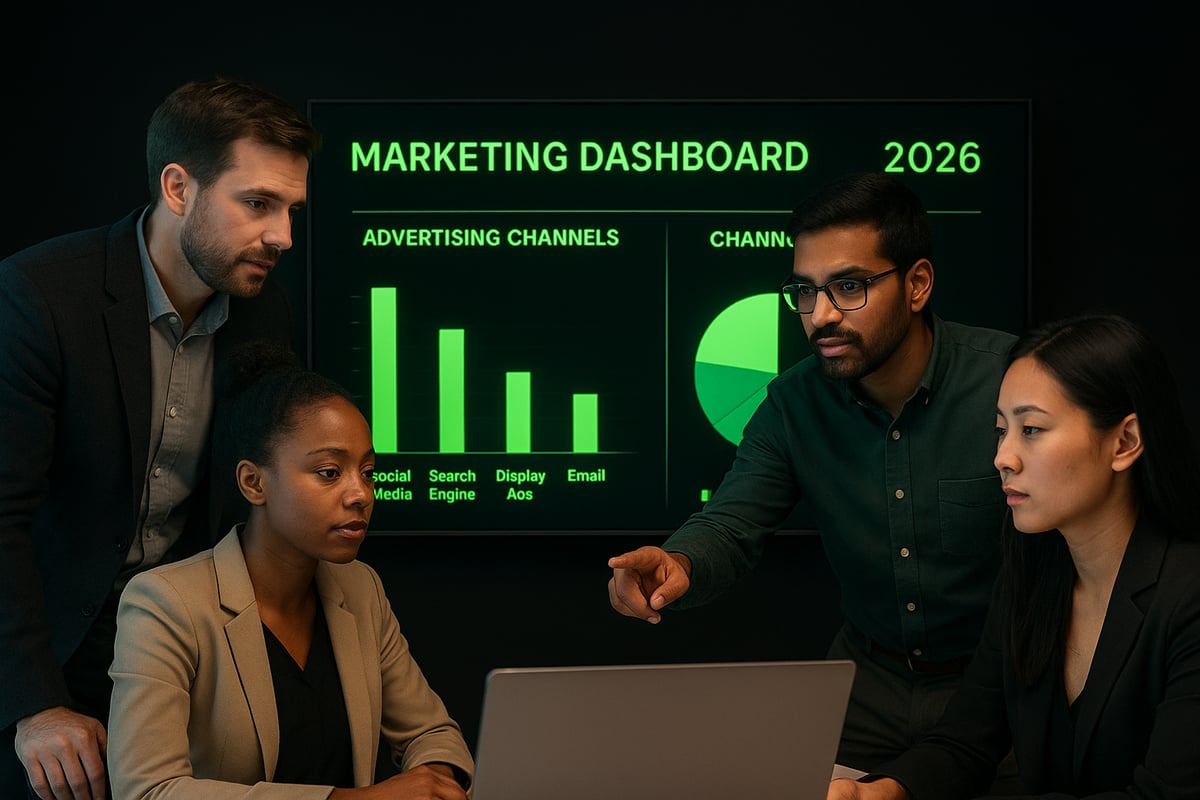
Now that you’ve seen how the right mix of advertising channels can seriously boost your brand’s reach and results in 2026, you might be wondering how to put these insights into action for your own events or business. It’s all about finding what works for your audience, using creative strategies, and tracking your progress so you can keep improving. If you’re ready to take your event marketing to the next level, or just want some expert advice on choosing the best channels for your goals, I’d love to connect and help you get started. Let’s Talk