In 2026, the race for attention on social media is more intense than ever. Brands compete not just for likes or followers, but for tangible results that drive real growth. Social media conversions have become the new currency, transforming platforms from simple engagement tools into engines for leads, sales, and ROI.
This guide is your playbook for mastering social media conversions in 2026. You’ll discover the latest trends, see proven strategies, and learn how to measure what matters. Ready to turn your social channels into conversion machines? Let’s dive in and start boosting your results today.
Understanding Social Media Conversions in 2026
In 2026, social media conversions are the backbone of digital success. They represent any measurable action a user takes after engaging with your brand, from newsletter sign-ups and content downloads to direct purchases right inside social apps. For B2B brands, conversions often mean capturing qualified leads, while B2C companies focus on driving instant sales. The landscape has evolved rapidly, and conversion actions now include:
- Shoppable posts enabling users to buy without leaving the platform
- In-app checkout experiences streamlining the path to purchase
- Auto-filled lead forms for seamless sign-up
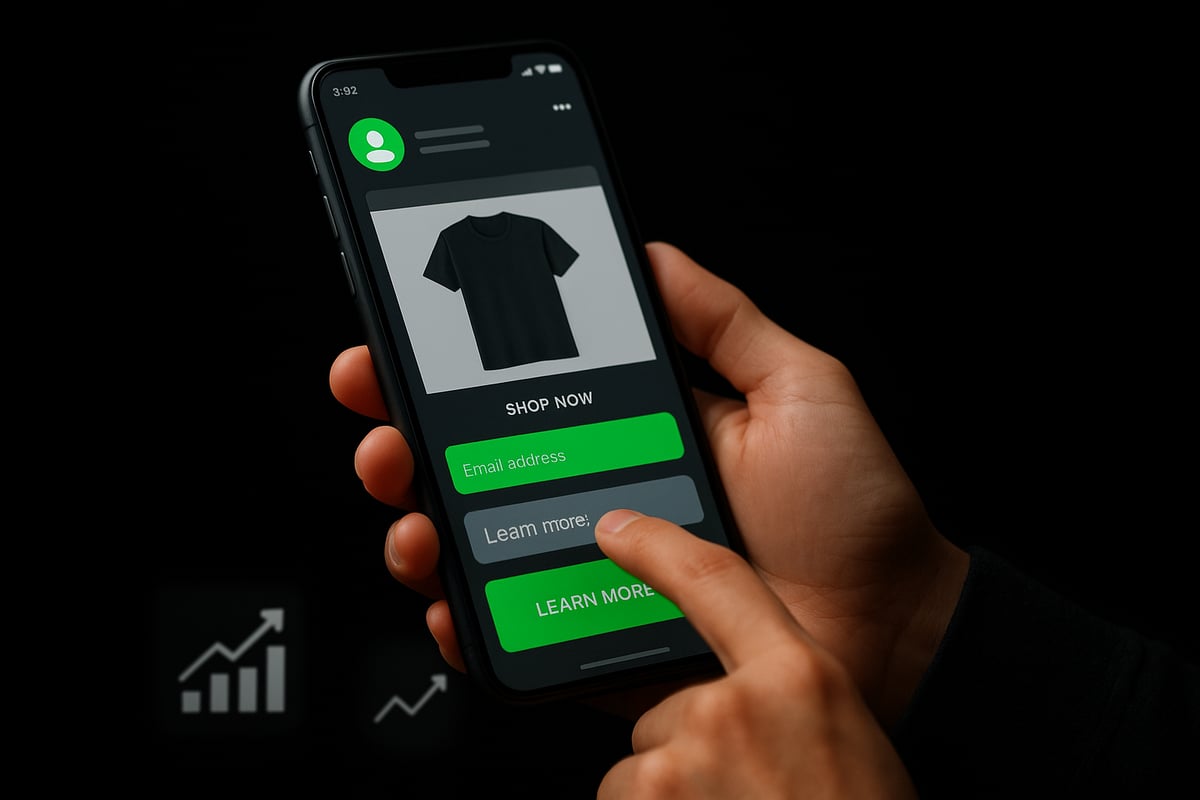
The data speaks for itself: in-app purchases and social commerce are at an all-time high, making tracking every step of the customer journey more complex yet crucial. Platforms like Facebook Lead Forms and Instagram Shops act as conversion hotspots, requiring brands to integrate advanced analytics tools for precise measurement. To stay competitive, companies are turning to marketing and conversion strategies that connect every engagement to real business outcomes. Remember, true success in social media conversions is about turning engagement into tangible, bottom-line results.
Step 1: Optimize Engagement to Fuel Conversions
Building strong engagement is the essential first step to increasing social media conversions. Before users take action, they need to interact with your brand, trust your message, and feel part of your community.

The Role of Engagement in the Conversion Funnel
Engagement is the spark that ignites the social media conversions funnel. It starts when users like, comment, share, or participate in polls and direct messages. Each interaction moves them closer to taking meaningful action.
For example, Playstation’s VR hashtag campaign encouraged thousands of users to share content, turning community participation into shoppable moments. According to a 2026 study, TikTok's engagement rate is an impressive 3.70%, showing just how powerful engagement can be.
Brands that maintain high engagement rates see up to three times the conversion rates compared to those that do not. Engagement builds trust, primes audiences, and lays the foundation for successful social media conversions.
Tactics to Maximize Engagement
To boost engagement and fuel social media conversions, create interactive content like polls, quizzes, live Q&A sessions, and campaigns featuring user-generated content. Always tailor your content based on the platform and your audience’s preferences—what works on TikTok may not work on LinkedIn.
Utilize social listening tools to join relevant conversations and respond to customer needs in real time. For example, quickly responding to tagged posts or direct questions can dramatically increase conversion likelihood. Leveraging trending topics and timely responses also lifts your brand’s visibility, ensuring your engagement translates into real results.
Step 2: Consistency and Content Repurposing
Staying consistent is essential for brands aiming to boost social media conversions in 2026. With endless content flooding each platform, regular posting helps your brand stay top-of-mind. Start by developing a realistic schedule based on your team's capacity and stick to it. Tools like Buffer or Hootsuite make scheduling efficient and help ensure you never miss peak times for your audience.
Analyze when your followers are most active and plan your posts accordingly. Brands that maintain consistency often see steady increases in both web traffic and social media conversions. If you need expert help, social media agency packages can offer tailored strategies and streamlined workflows to maximize your results.

Building a Consistent Presence
Consistency builds trust and keeps your brand visible in busy social feeds. Create a posting calendar that fits your resources, aiming for quality over quantity. Use automation tools to queue posts and monitor engagement. Check analytics to identify the best times to post for maximum reach.
- Set regular posting days and times.
- Use scheduling apps for efficiency.
- Monitor and adjust based on engagement data.
Brands that post steadily often notice improved audience retention and higher social media conversions over time.
Repurposing and Distributing Content for Maximum Reach
Maximize your content's value by breaking long-form assets, like webinars or white papers, into short, engaging posts. Share infographics, quick tips, and video clips across different platforms to reach new audiences. Always include clear calls to action and direct links to gated landing pages for lead capture.
- Convert webinars into video snippets.
- Turn reports into infographics or carousels.
- Share across Instagram, LinkedIn, and Pinterest.
Repurposed content with strong CTAs can boost lead capture rates by up to 60 percent, making it a powerful strategy for driving social media conversions.
Step 3: Streamline the Conversion Path
Transforming engagement into real results means making the path from discovery to action as smooth as possible. In the world of social media conversions, every click and interaction should move users closer to your goal. Let's break down how to create a seamless journey that turns browsers into buyers or leads.
Creating High-Converting Funnels on Social
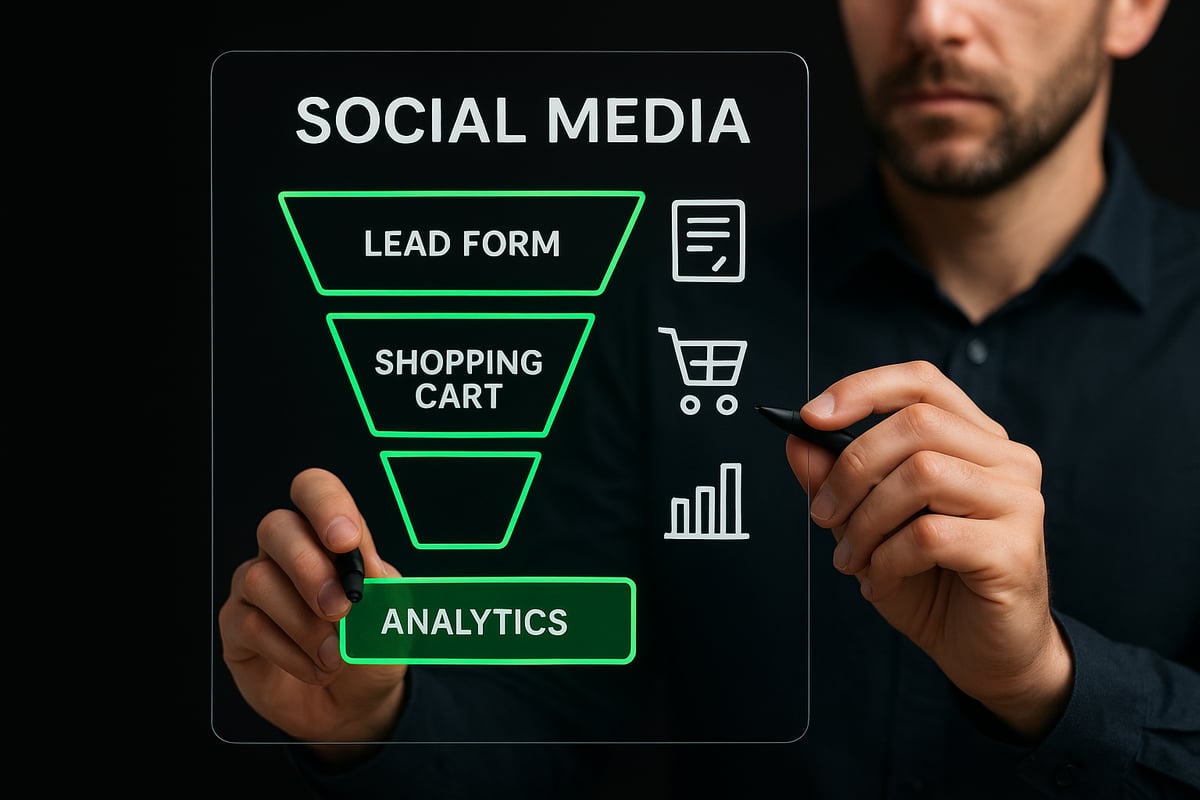
Start by mapping the buyer’s journey. Each stage—awareness, consideration, and decision—needs content tailored to move users forward. For effective social media conversions, align every post or ad with a clear call to action that matches the user's mindset.
Use retargeting ads to re-engage those who interact but haven’t converted. For example, Facebook Dynamic Product Ads can remind users about abandoned carts, nudging them back to purchase. Research shows it often takes 5 to 20 touchpoints for a user to convert, but social media accelerates this process by keeping your brand top-of-mind.
A simple funnel might look like this:
| Funnel Stage | Example Content | Action Prompt |
|---|---|---|
| Awareness | Educational video | Learn More |
| Consideration | Product comparison post | See Details |
| Decision | Limited-time offer | Buy Now |
Optimizing each stage is crucial for maximizing social media conversions.
Leveraging Lead Forms and In-App Purchases
To further streamline social media conversions, reduce friction at every step. Use Facebook and Instagram Lead Forms so users can submit their info without leaving the app. Shoppable posts and in-app checkout features make purchases instant and seamless.
Offer exclusive discounts, early access, or valuable gated content as incentives. During the US Open, the USTA used a shoppable gallery that drove a tenfold increase in clickthroughs—showing the power of integrating purchase options right inside social feeds.
Add contact forms and email sign-ups to every landing page and blog post. If you want to see how to create landing pages that drive conversions, check out Building effective landing pages for actionable strategies. The easier you make it for users to act, the higher your social media conversions will climb.
Step 4: Harnessing Advocacy and Social Proof
Social proof and advocacy are now vital levers for driving social media conversions. Today’s buyers trust real voices more than branded promises. When customers share genuine reviews, testimonials, or user-generated content, they inspire others to take action.
Make it easy for people to amplify your brand. Add social sharing buttons to every landing page and product page. Encourage happy customers to leave reviews on platforms like Facebook and Google. For B2B, prioritize LinkedIn recommendations, while B2C brands can spotlight Instagram stories or community hashtags. Build micro-communities or ambassador programs to nurture your most loyal advocates.
Word-of-mouth remains the top influencer in purchase decisions. In fact, social sharing and advocacy campaigns can triple viewer engagement, leading to higher conversion rates. Brands that prioritize advocacy see measurable ROI, with social media marketing delivering an average ROI of $5.2 for every $1 spent in 2026. Responding to reviews and addressing feedback promptly keeps your advocacy engine strong.
Measuring, Analyzing, and Optimizing Social Conversions
In 2026, tracking and improving social media conversions is more complex, but also more rewarding than ever. With so many touchpoints and platforms, measuring what truly matters is essential for growth.
To start, set clear KPIs for your social media conversions. These might include:
- Conversion rate
- Cost per conversion
- Lead quality
- Revenue generated
Integrate data from your social channels with CRM and sales systems. This gives you a full picture of how engagement translates to real business results. Monitoring reach, engagement, clickthroughs, and completed conversions side-by-side helps you spot what’s working.
A/B testing is a must. Experiment with call-to-action buttons, visuals, and landing pages to see what drives the most conversions. For example, USTA’s analytics-driven strategy led to a 60% increase in page views.
Don’t forget to retarget users who abandon forms or carts. Follow-up campaigns can recover lost conversions and boost your ROI. Regularly review your analytics to find gaps and update your approach.
For more ways to maximize results, see these Highest conversion rates tips to help keep your optimization on track.
Here’s a quick checklist:
- Every touchpoint has a clear CTA and tracking
- Data flows between social, CRM, and sales tools
- Regular A/B testing and analysis
- Retargeting for incomplete conversions
Stay focused on actionable insights, and your social media conversions will keep improving.
Future Trends: What’s Next for Social Media Conversions?
Looking ahead, social media conversions will continue to evolve at a rapid pace. Social commerce and in-app transactions are set to dominate, making the path from discovery to purchase smoother than ever. Brands are prioritizing seamless buying experiences, and optimizing the checkout process is now a vital part of increasing conversion rates, as highlighted in the checkout process is one of the most sensitive points in ecommerce conversion.
Artificial intelligence is taking center stage, powering personalized recommendations and automating follow-ups. Expect even deeper integration between social platforms, CRM, and e-commerce systems, enabling a unified view of customer journeys.
Privacy concerns continue to shape strategies, with brands focusing on consent and ethical data use. Meanwhile, new networks targeting Gen Z are emerging, and content trends are shifting rapidly. For example, short-form videos continue to outperform all other formats in reach and engagement, making them essential for future campaigns.
AI chatbots are now qualifying leads instantly and nurturing prospects in real time. To succeed, brands must remain agile, data-driven, and ready to adapt as the landscape of social media conversions keeps changing.
You’ve now seen how mastering social media conversions in 2026 means more than chasing likes—it’s about turning engagement into real results. From building trust through authentic interactions to leveraging smart tools for tracking and optimization, you’re ready to turn your social channels into conversion powerhouses. If you want to go even further and see how these strategies can boost your ticket sales and brand impact for your next event, I’d love to chat about your goals and share how Greenslant can help. Ready to put these insights into action? Let’s Talk