

In 2026, the world of artificial intelligence is more dynamic than ever, as ChatGPT and its competitors compete for the spotlight. The race to capture user engagement is intense, and chatgpt traffic is now a key indicator of which platforms are leading the charge.
This article dives into the latest trends, comparing ChatGPT’s performance with other top AI tools. We’ll break down recent usage data, examine what’s causing shifts in user behavior, and highlight the biggest factors shaping the future of AI adoption.
Curious about who’s ahead and what’s driving these changes? Read on to stay informed about the trends that will define the AI landscape this year.
ChatGPT’s Traffic Trajectory: Peaks, Drops, and Recovery
Since its launch, ChatGPT has experienced explosive growth, quickly climbing into the ranks of the world’s top websites by 2025. As user numbers soared, chatgpt traffic became a bellwether for the broader AI industry’s momentum.
However, the platform saw a dramatic 70% dip in usage in early June 2025. According to ChatGPT Leads AI Market as User Numbers Reach Record Highs, this decline was closely linked to the end of the academic year. Students and educators, who make up a significant portion of chatgpt traffic, tend to pause their activity during summer breaks.
A closer look at user demographics reveals that academics drive the largest share of sessions, followed by business professionals and the general public. The academic calendar shapes these trends, with peaks during exam periods and troughs during holidays. Broader seasonal factors, such as increased outdoor activities and shifting business priorities in summer, also play a role.
As school and business cycles resume, ChatGPT’s usage typically rebounds. This pattern mirrors other annual digital trends, like LinkedIn’s well-known summer slowdown, highlighting how seasonality and user routines influence even the most innovative platforms.

The AI Rivalry: Comparing Major Platforms in 2026
The competition among leading AI platforms is intensifying as user preferences shift and new technologies emerge. ChatGPT traffic is a key indicator of this evolving landscape, reflecting changing trends in how users interact with generative AI tools. Let’s break down how ChatGPT stacks up against its main competitors and see which industries are driving adoption.

ChatGPT vs. Gemini, Claude, and Other Leading Models
Three main contenders dominate the AI scene: ChatGPT, Google Gemini, and Anthropic Claude. Each offers unique capabilities, but chatgpt traffic has set the pace for global adoption, especially in education and business.
| Platform | Distinct Feature | 2026 Traffic Trend | Regional Leaders |
|---|---|---|---|
| ChatGPT | Versatile, strong integration | Recovering, cyclical | US, Europe |
| Gemini | Deep Google ecosystem, rapid updates | Surging, steady climb | Asia, Latin America |
| Claude | Focus on safety, long-form reasoning | Niche, growing | North America, EU |
Gemini 3’s release in 2025 shifted benchmarks, overtaking ChatGPT in some regions. Users often choose platforms based on integration and unique strengths. For more on these competitive shifts, see AI industry trends and insights.
Usage Patterns and Industry Adoption
Chatgpt traffic patterns reveal distinct adoption across sectors:
- Education: Students and teachers drive traffic during academic terms.
- Enterprise: Businesses leverage APIs and plugins for workflow automation.
- Creative: Artists and writers use AI for content generation.
- Consumer: General public accesses via mobile and web apps.
Traffic sources include web platforms, mobile apps, direct API integration, and third-party tools. Industry-specific adoption is high in logistics, finance, and education, with partnerships accelerating growth. Factors like accuracy, cost, and ecosystem integration influence platform choice, shaping the next phase of AI adoption.
What’s Fueling the Traffic Shifts? Key Drivers and Disruptors
Understanding the recent swings in chatgpt traffic means looking beyond the surface. Several key drivers and disruptors are pushing user engagement up and down across the AI landscape.

Academic calendars remain a powerful influence. When schools are in session, chatgpt traffic sees clear spikes as students and educators lean on AI for research, writing, and learning support. As summer holidays and breaks arrive, usage drops sharply, mirroring patterns seen across other digital platforms.
But it is not just about school schedules. User needs are evolving. What started as a novelty is now a practical tool for streamlining work, study, and creative projects. The shift from free to paid models also impacts chatgpt traffic, as some users seek value, while others migrate to open-source or alternative platforms that better fit their budgets.
Platform updates and new features play a crucial role. When an AI tool introduces innovative capabilities or improves speed and accuracy, chatgpt traffic often rebounds. At the same time, competition from new entrants and specialized apps fragments user attention.
Trust and safety perceptions are increasingly critical. AI safety report cards and transparency efforts sway users’ confidence, especially in education and business. Regulatory changes or global events can also swing traffic patterns unexpectedly.
For a deeper dive into these dynamics and how they compare to search engine trends, see this AI Chatbots vs Search Engines: 24-Month Study on Traffic Trends.
Ultimately, the drop in chatgpt traffic is not just a summer phenomenon. Business cycles, lifestyle changes, and a shifting digital ecosystem all combine to shape where users spend their time.
The Rise of Specialized AI Tools and Ecosystems
AI platforms are evolving rapidly, and the competition is no longer just about who can attract the most users overall. In 2026, the surge in specialized tools is reshaping chatgpt traffic patterns and changing how users engage with artificial intelligence.
Generalist vs. Specialist: Where Users Are Flocking
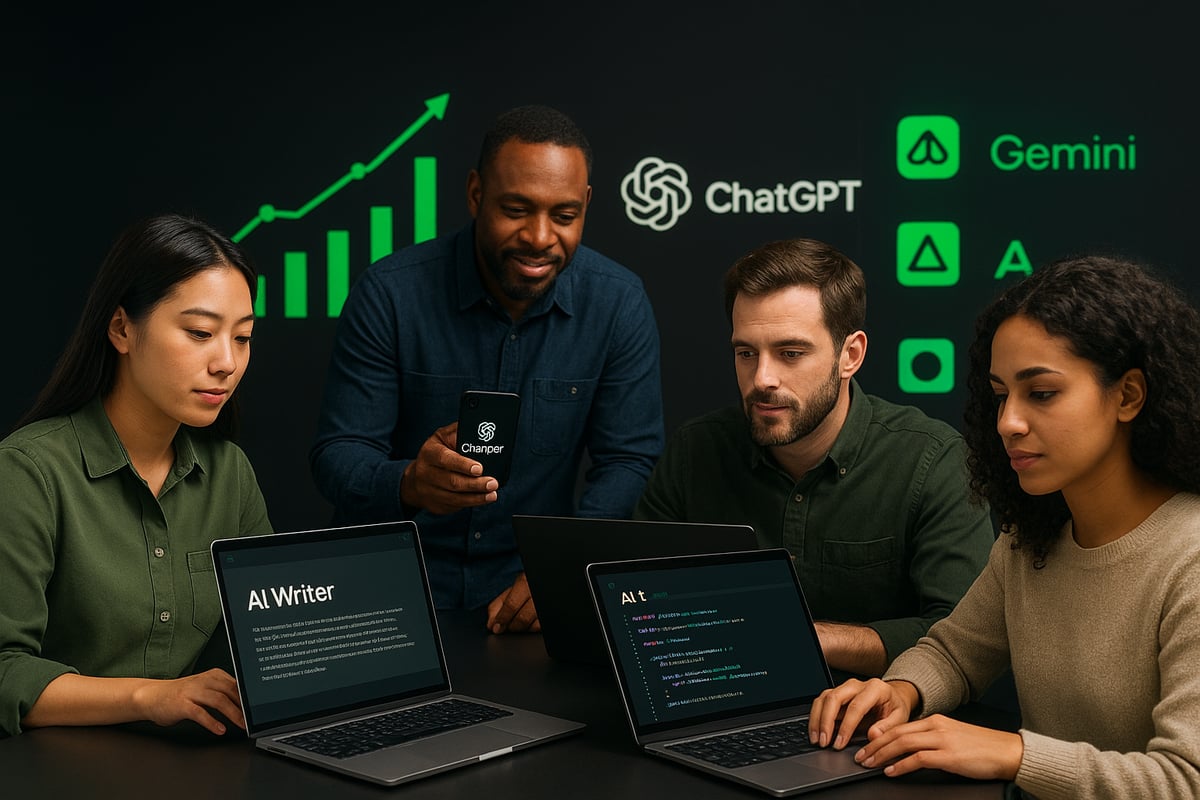
The AI field is experiencing a boom in niche applications. Tools built for specific tasks like writing, coding, and design are pulling users away from generalist platforms. This trend is visible in chatgpt traffic, which now faces competition from apps with highly targeted features.
Users are choosing platforms that solve particular problems or fit seamlessly into their workflows. For example, generative AI apps have seen explosive growth in global mobile rankings, reflecting a shift away from all-in-one models. The AI landscape is fragmenting as users migrate to tools that offer unique value.
For those interested in exploring the expanding universe of AI-powered platforms, the Resources for AI-powered platforms page offers a curated list of specialized tools and ecosystems.
Platform Ecosystem Effects and Network Advantages
Integrations, plugins, and strong developer communities are becoming the backbone of AI platform loyalty. Ecosystem lock-in is driving sustained chatgpt traffic, as users benefit from seamless connections between tools and services.
AI companies are expanding their reach through partnerships, SDK releases, and third-party app integrations. Referral traffic from marketplaces and connected devices is on the rise. Notably, Gemini’s integration with Google Workspace has boosted enterprise adoption and helped shift the competitive balance.
As mobile and connected device usage grows, platforms with robust ecosystems stand out. The future of AI will likely belong to those who can create the most value through network effects and integration.
Global and Demographic Trends in AI Platform Traffic
The surge in global AI adoption is transforming digital engagement across continents. According to the Global AI Adoption in 2025, countries like the US, China, and India are leading in user growth, with chatgpt traffic reflecting these regional patterns. However, adoption varies widely due to factors such as internet access, local regulations, and language support.
Demographics play a pivotal role in shaping chatgpt traffic. Younger users, especially students and early-career professionals, are among the most active groups. In contrast, older adults and those in lower digital literacy regions adopt AI tools more slowly. Regional preferences also emerge, with ChatGPT and its rivals vying for dominance in North America, Asia, and Europe.
Emerging markets are showing remarkable growth potential, despite facing unique challenges like infrastructure gaps and affordability. As reported by Digital 2026: more than 1 billion people use AI, AI platform usage now exceeds one billion global users, pushing companies to localize features and expand language options. This trend signals a future where regional adaptation will shape the next wave of AI adoption.
Trends to Watch in 2026: What the Data Reveals
As we look ahead, the data reveals several trends shaping chatgpt traffic and the broader AI platform landscape. Innovation, retention, and market risks are all influencing how users interact with these technologies.
Platform Innovation and User Retention
The AI race is fueling a constant stream of new features, smarter models, and personalized user experiences. Platforms that innovate quickly are seeing higher user retention, as users seek tools that evolve with their needs.
Data shows that prompt engineering breakthroughs, like those from Stanford, are improving engagement rates. Retention is also tied to how well platforms integrate with daily workflows. Chatgpt traffic trends indicate that users value platforms with robust customization and seamless ecosystem integration.
For ongoing updates on AI advancements and platform competition, check out the AI category articles.
The Future of AI Traffic: Opportunities and Risks
Looking forward, chatgpt traffic will face new challenges and opportunities. There is growing concern about over-reliance on AI in education and business, which could lead to skill gaps if not managed carefully.
Traffic volatility may increase as global events and regulations shift. Trust, transparency, and safety are becoming top factors in platform selection. Open-source models and new entrants could disrupt established leaders.
User education and digital literacy will play a big role in shaping future adoption. Businesses and educators should monitor these trends to stay ahead in the evolving AI landscape.
As we’ve explored, understanding where ChatGPT stands against its AI competitors in 2026 isn’t just about numbers—it’s about recognizing the forces shaping user behavior and how these trends can impact your next big event. If you’re looking to leverage the latest AI insights for smarter event marketing, boost ticket sales, or simply want to stay ahead of the curve, I’d love to help you navigate these changes. Ready to discuss how these trends can work for you? Let’s Talk