Imagine a world where search engines don’t just list links but answer your questions in real time, using natural conversation. That future is already here, transforming how we access information online.
As AI-driven answer engines become the standard in 2026, mastering answer engine optimization is essential for anyone looking to stay visible and relevant. This new approach goes beyond traditional SEO by focusing on providing clear, authoritative answers that AI platforms trust and share directly with users.
In this guide, you’ll learn what answer engine optimization is, why it matters in the evolving search landscape, and how to adapt your strategy for success. We’ll walk you through key techniques, technical foundations, content best practices, and the latest tools to keep your content at the forefront.
Get ready to future-proof your digital presence and lead the way as search shifts toward instant, conversational answers.
What is Answer Engine Optimization (AEO)?
Answer engine optimization is the process of tailoring your content and website so that AI-powered search engines can deliver direct, conversational answers to users. Unlike traditional SEO, which focuses on ranking webpages in search results, answer engine optimization centers on providing clear, context-rich responses that satisfy user intent within an instant answer box or AI chat.
By 2026, over half of all searches are expected to be managed by AI-driven answer engines, according to Forbes. These powerful systems include voice assistants, chatbots, and generative AI interfaces such as Google SGE, Bing Copilot, ChatGPT, and Perplexity. Here are the main types of answer engines:
- Voice assistants (like Siri or Alexa)
- Chatbots embedded on websites
- Generative AI search interfaces
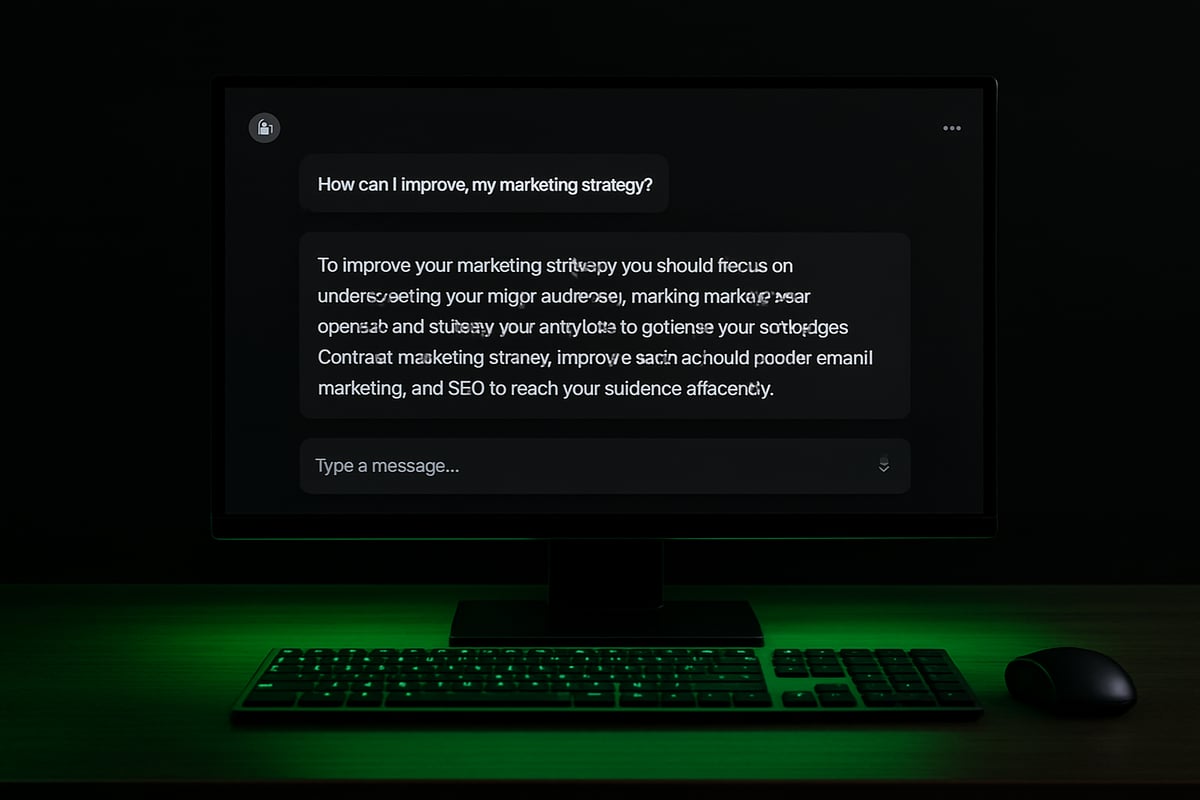
These engines rely heavily on structured data and knowledge graphs to understand content and surface direct answers. For example, a query like “best event marketing strategies” no longer returns a list of links, but instead offers a synthesized, conversational response right in the search result.
This shift means users increasingly expect immediate, accurate answers instead of browsing multiple sites. To succeed, brands and publishers must adapt their content and technical setup for answer engine optimization, becoming the trusted source that AI engines choose to feature. For a deeper dive into the concept, visit the Answer Engine Optimization Overview.
Why AEO Matters in 2026
The search world in 2026 looks nothing like it did a few years ago. AI-driven answer engines are now the main gatekeepers, surfacing direct, conversational answers instead of traditional blue links. For brands and marketers, answer engine optimization is no longer optional—it is essential for staying visible and credible as user habits evolve.
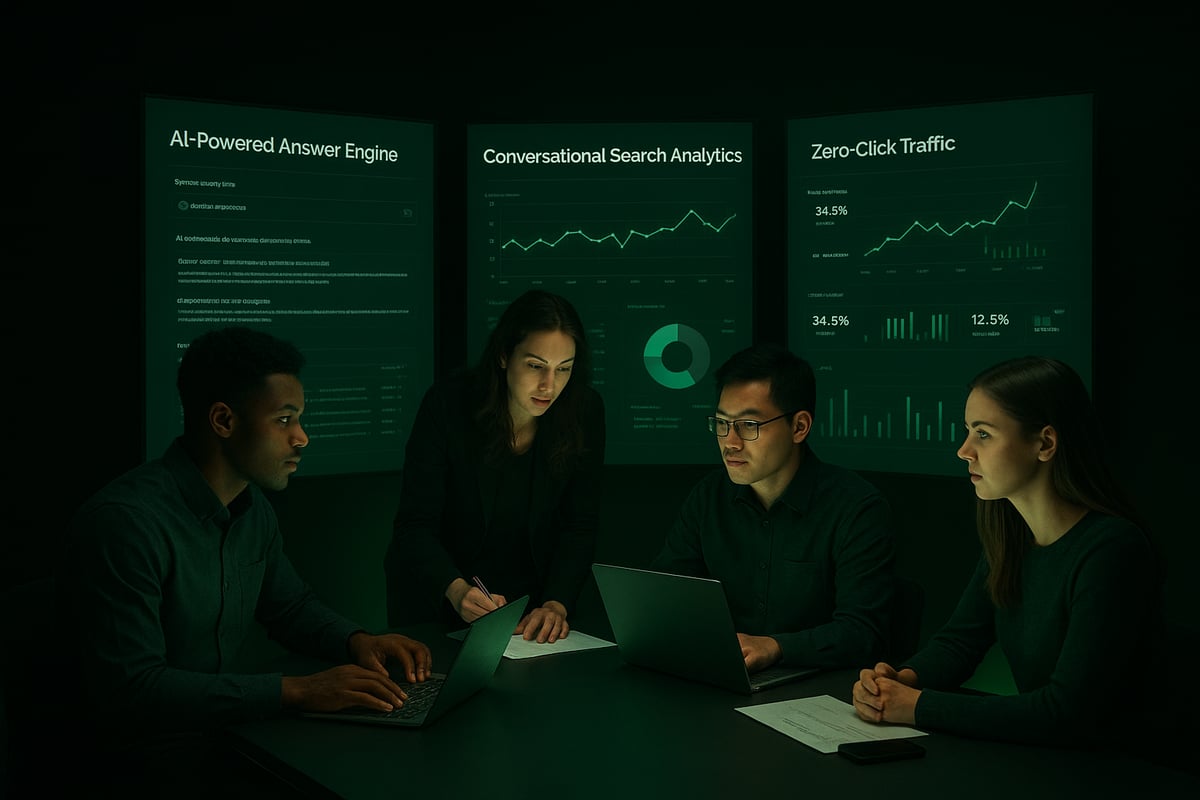
Recent studies by Forbes and CXL reveal that over 60 percent of high-intent queries are now instantly resolved in AI-generated answer snippets. This shift towards zero-click and conversational search means users expect immediate, precise information. Brands that adapt early with answer engine optimization enjoy a competitive edge, gaining higher visibility, more engagement, and stronger authority.
For publishers and event marketers, being recognized as a reliable source in AI-powered environments is now a make-or-break factor. Brands investing in AEO see a surge in traffic from voice assistants and AI search tools. As highlighted in AI’s Transformation of Search Strategies, adapting to these changes is the key to thriving in a world where AI dictates what users see first.
Ignoring answer engine optimization carries serious risks. You could lose organic reach, see traffic decline, and miss out on valuable revenue opportunities as competitors seize the spotlight. The future belongs to those who make AEO a core part of their digital strategy.
Core Pillars of Answer Engine Optimization
Mastering answer engine optimization starts with understanding its foundational pillars. These pillars are the building blocks that help your content stand out and deliver value to users and AI answer engines alike.

Understanding User Intent and Context
The first pillar of answer engine optimization is mapping user intent. Anticipate what users want by analyzing search data, chat logs, and audience research. For example, queries like "how to boost ticket sales" reflect informational intent, while "event marketing tools" shows transactional intent.
Adapting your content to these nuances is essential. If you want a deeper dive into building intent-driven content, check out the guide to event marketing essentials.
Structuring Content for Direct Answers
Effective answer engine optimization means structuring content for instant answers. Use clear language, question-based headings, and concise explanations. Add FAQ sections and summary boxes for quick reference.
CXL research shows that well-marked Q&A sections are 40 percent more likely to be featured in AI-generated answers. By making content easy to scan, you improve both user experience and your chances of being selected by answer engines.
Implementing Structured Data and Schema Markup
Schema markup is critical for answer engine optimization. Use schema types like FAQ, HowTo, Product, Event, and Organization to make your content machine readable. Structured data helps AI engines understand and prioritize your information.
Forbes notes that robust schema can boost answer box visibility by 30 percent. Proper schema not only increases discoverability but also establishes authority with AI-driven search platforms.
Technical Foundations for AEO Success
Building strong technical foundations is essential for answer engine optimization. Without these, even the best content might be missed by AI-driven answer engines. Let’s break down the must-haves for getting your site noticed and trusted.

Optimizing for Crawlability and Indexability
For answer engine optimization to work, your content must be accessible to AI crawlers. Make sure your website loads quickly and is mobile-friendly. Always use HTTPS for security.
Keep your XML sitemaps updated and configure your robots.txt file to allow crawling of key pages. These basics help answer engines find and understand your content.
Leveraging Knowledge Graphs and Entity Optimization
AI engines rely on knowledge graphs to connect information. Define important entities like brands, people, and events using structured data. This makes your site more authoritative.
Consistent use of schema markup across platforms strengthens your answer engine optimization efforts. For example, detailed event listings with rich entity data often appear in AI-powered results.
Monitoring and Measuring AEO Performance
Track how often your content appears in answer boxes or is referenced by AI assistants. Use tools such as Google Search Console and Bing Webmaster Tools to measure visibility and traffic.
For deeper insights, explore analytics tools for digital marketing to monitor schema effectiveness and answer engine optimization performance. Regular audits help you refine your approach and stay ahead.
Content Strategies for Dominating Answer Engines
To succeed with answer engine optimization, your content must be credible, easy to understand, and always up-to-date. Let’s break down the core strategies that help your brand stand out in AI-powered search results.
Creating Authoritative, Trustworthy Content
Building authority starts with the E-E-A-T framework: Experience, Expertise, Authoritativeness, and Trustworthiness. Use reliable data, cite industry experts, and update stats regularly. Adding quotes from recognized leaders or linking to AI-focused marketing insights can further boost credibility.
When crafting content for answer engine optimization, focus on providing direct, fact-checked answers. Summarize key points in bullet lists or tables when possible. This approach helps answer engines recognize your content as a reliable source.
Formatting for Conversational and Voice Search
Structure your content to match the way people speak and ask questions. Use simple language, short sentences, and clear headers. Start sections with direct answers to common questions, like “What is answer engine optimization?” followed by a concise explanation.
Lists, summary boxes, and Q&A formats are highly effective for voice search. These techniques make it easier for AI engines to extract and deliver your content as a direct answer.
Updating and Recycling Existing Content for AEO
Regularly refresh your top-performing pages to keep them relevant for answer engine optimization. Audit your content to spot outdated information, then add new stats, updated links, and structured Q&A sections.
Steps for updating content:
- Identify pages ranking for high-intent queries.
- Add recent data and clear, direct answers.
- Implement schema markup for FAQs or HowTo sections.
Updated content is more likely to be featured in AI-generated responses, driving more visibility and engagement.
Future-Proofing Your Search Strategy: Tools and Best Practices
Staying ahead in digital search means embracing new tools and refining your approach as answer engines evolve. To future-proof your strategy, it is essential to think beyond traditional SEO and adopt practices designed for the world of answer engine optimization.
Key Tools for Success:
- AI-powered content analyzers to assess clarity, authority, and structure.
- Schema markup generators that keep your data organized and machine-readable.
- Monitoring platforms that track answer box appearances, voice assistant referrals, and zero-click traffic.
Integrating these tools into your editorial workflow ensures that answer engine optimization is not just a one-off task, but a continuous process. Schedule regular audits to update structured data, refresh content, and identify new opportunities for direct answer features.
Continuous learning is vital. Keep pace with AI search engine updates and algorithm changes by following industry news, attending webinars, and engaging with communities. Publishers and marketers are already adapting to a web shaped by AI-driven answer engines, as highlighted in AI’s Impact on Website Publishers.
Collaboration is another cornerstone. Bring together technical SEO experts, data analysts, and content creators to share insights and align strategies. Brands using automated schema tools often adapt faster to changes, gaining a competitive edge in answer engine visibility.
Finally, use analytics to iterate. Analyze performance data, test new formats, and prepare for multi-modal search, including voice and image queries. By making answer engine optimization a core part of your process, you will be ready for whatever the future of search brings.
As we look ahead to 2026, mastering Answer Engine Optimization isn’t just about getting seen—it’s about becoming the trusted source users turn to for quick, reliable answers. If you’re ready to boost your event marketing strategy, drive ticket sales, and make your brand stand out in this AI-powered search landscape, you don’t have to do it alone. We’ve helped countless events thrive by combining creative campaigns, advanced tracking, and smart optimization. Want to see how AEO can work for you and your next event? Let’s Talk