The ad and marketing world is set for dramatic transformation in 2026, with digital trends moving at lightning speed and consumer expectations reaching new heights. This essential guide is designed to help you navigate these exciting changes, offering practical strategies to keep your campaigns ahead of the curve.
You’ll discover the latest in emerging trends, learn how to build resilient strategies, see how technology is reshaping ad and marketing, and get clear on compliance best practices. We’ll break down the new landscape, core strategies, tech integration, regulatory updates, and step-by-step planning for campaign success.
Ready to future-proof your approach? Dive in, and empower your ad and marketing efforts with insights and actions you can use right now.
The 2026 Advertising & Marketing Landscape
The ad and marketing landscape in 2026 looks nothing like it did a few years ago. After 2025, consumers have become more discerning, with expectations for seamless, personalized experiences at every touchpoint. Over 70% of consumers now demand tailored interactions, pushing brands to rethink their approach.
Personalization and data-driven insights are at the forefront. Companies rely heavily on first-party data to segment audiences and deliver relevant messages. AI-powered analytics help predict trends and optimize content, making each ad and marketing campaign smarter and more effective.
Omnichannel strategies connect social, search, display, connected TV, and even physical locations. This unified approach ensures a smooth journey for consumers, whether they start on a mobile app or see a digital billboard downtown. Brands using these methods see higher retention and engagement.
With increased privacy regulations and closer FTC scrutiny, transparency is essential. Brands that clearly communicate data use and respect consumer privacy are building greater trust. New platforms like connected TV and digital out-of-home are expanding reach, and industry leaders are leveraging these changes to stay ahead. For more on how technology is blending data and creativity, see the Digital Advertising Trends Report 2026.
Core Ad and Marketing Strategies for 2026
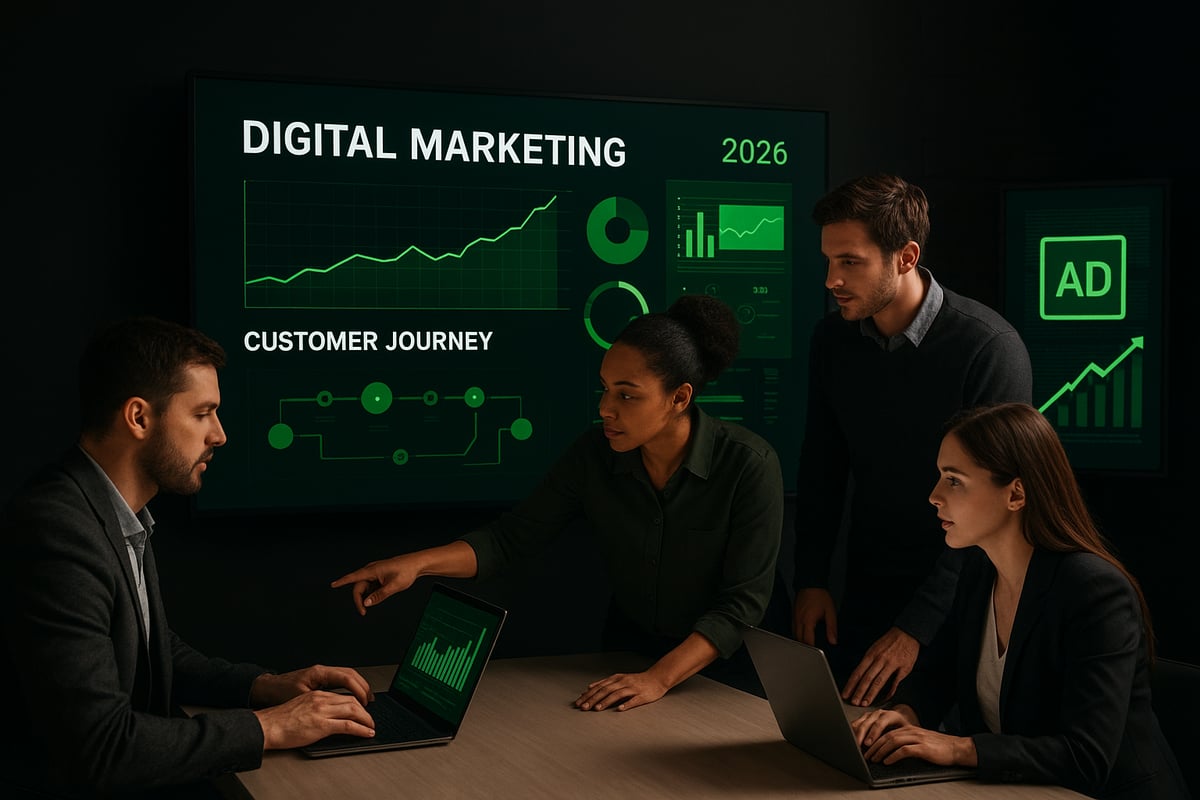
Modern ad and marketing strategies in 2026 are built on agility, integration, and deep data insights. Brands must combine proven tactics with emerging innovations to connect authentically with their audiences. Let’s break down the three pillars shaping successful campaigns this year.
Omnichannel Integration for Maximum Reach
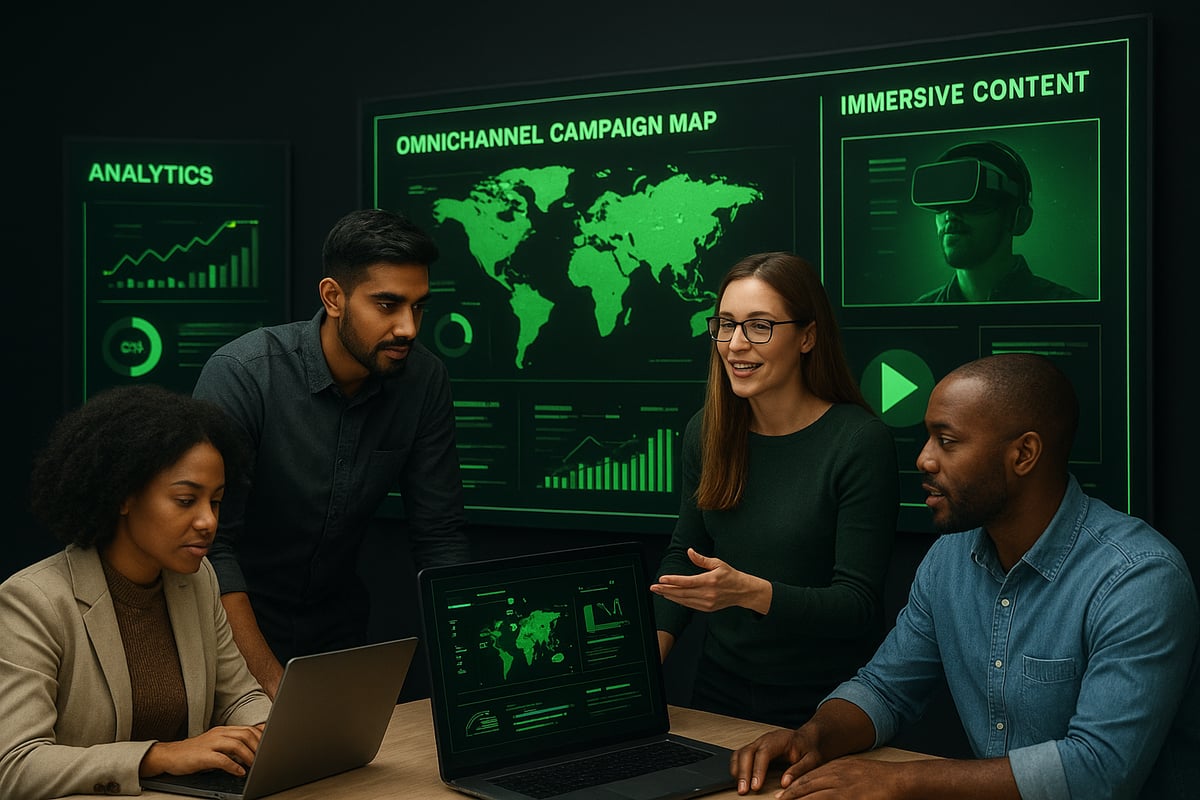
Omnichannel marketing in 2026 means more than just being present everywhere. It’s about unifying ad and marketing messages across social, search, display, connected TV, and even physical spaces.
Brands now weave stories seamlessly as customers move from a mobile app to in-store experiences. For example, a shopper might see a product on Instagram, receive a personalized offer via email, and complete the purchase using a QR code in-store.
The benefits are clear. Companies leveraging Omnichannel campaign strategies report up to 91% higher customer retention year-over-year. This approach ensures that every touchpoint reinforces the brand and keeps the journey frictionless.
Personalization and Data-Driven Targeting
First-party data has become the backbone of ad and marketing efforts. Brands gather insights directly from their audiences, allowing for advanced segmentation and highly tailored campaigns.
AI-driven tools now personalize content and offers in real time, matching each user’s preferences and behaviors. Dynamic creative optimization lets marketers swap visuals, headlines, and calls to action based on live audience data.
Respect for privacy is crucial, though. Marketers must balance personalization with ethical data use, ensuring transparency and compliance with privacy standards.
Content Marketing and Storytelling Evolution
Content has evolved in the ad and marketing world. Interactive formats like AR, VR, and live streams are now mainstream, offering immersive experiences that capture attention.
Authentic storytelling drives engagement, especially when brands encourage user-generated content. In fact, 82% of consumers trust content created by users more than traditional brand messaging.
Brands build loyal communities by spotlighting real stories, fostering connection, and making audiences part of their narrative. This approach not only strengthens trust but also amplifies reach through organic sharing.
Leveraging Technology and Innovation in Campaigns
Technology is the driving force behind the transformation of ad and marketing in 2026. Brands now rely on advanced tools to optimize every step of their campaigns, from strategy to execution. Artificial intelligence and machine learning are at the heart of this evolution, enabling marketers to analyze vast data sets and predict customer behavior with remarkable accuracy.

Automation platforms streamline lead nurturing and customer journey mapping, making it easier to deliver personalized experiences at scale. With the rise of connected TV, voice search, and digital billboards, ad and marketing campaigns now span more channels than ever, reaching consumers at every touchpoint.
Real-time analytics empower marketers to adjust campaigns instantly. For example, dynamic budget allocation and A/B testing ensure that creative assets perform at their best. Responsive design is vital, as consumers engage across smartphones, tablets, and smart TVs.
Consider this: companies adopting AI see a 30% increase in marketing ROI, according to AI’s Impact on Marketing Performance. Creative production tools help teams rapidly develop and test visuals that drive conversions.
Finally, sophisticated attribution models allow marketers to track ROI across all channels, ensuring every ad and marketing dollar is spent wisely. By embracing innovation, brands can stay ahead in a competitive landscape.
Compliance, Ethics, and Consumer Trust
Staying compliant and building consumer trust are now at the heart of every successful ad and marketing strategy. As regulations tighten and audiences become more discerning, brands must prioritize transparency, ethics, and respect for privacy throughout their campaigns.

Navigating Regulatory Changes and Data Privacy
The ad and marketing landscape in 2026 is shaped by evolving FTC regulations and stricter global privacy laws. Marketers must stay current with rules on data collection, consent, and disclosure. Transparent ad claims and clear consumer information are no longer optional—they are expected.
Failing to comply can result in significant penalties and reputational harm. For example, brands that misrepresent data usage or skip proper disclosures risk fines and customer backlash. Following FTC guidance helps marketers avoid deceptive or unfair practices and maintain trust.
Building Long-Term Trust and Brand Reputation
Ethical ad and marketing practices are central to long-term brand success. Companies that communicate honestly, embrace social responsibility, and highlight sustainability build deeper loyalty. According to recent data, 88% of consumers remain loyal to brands that demonstrate ethical behavior.
Leading brands showcase their commitment through transparent messaging, community engagement, and responsible campaigns. For actionable techniques on trust-based branding, explore Effective branding for marketers, which complements your ad and marketing initiatives.
Step-by-Step Guide to Planning a Winning Campaign in 2026
Building a successful ad and marketing campaign in 2026 means blending proven frameworks with new technologies and data insights. Here is a practical, step-by-step approach for modern marketers determined to achieve real results.
1. Define Clear Objectives and KPIs
Start by outlining what your ad and marketing campaign must achieve. Use the SMART framework: goals should be Specific, Measurable, Achievable, Relevant, and Time-bound.
For example, aim to increase qualified leads by 25% in Q2. Clear KPIs keep the campaign focused and measurable.
2. Audience Research and Segmentation
Dive deep into both first-party and third-party data to understand your audience. Build detailed personas and map each customer journey stage.
Segment audiences by behaviors, interests, or preferred channels. This ensures your ad and marketing efforts reach the right people with relevant messages.
3. Channel Selection and Creative Development
Select channels that best match your audience and objectives. Combine social, search, display, and physical spaces for broad impact.
Develop creative assets tailored for each platform, such as responsive landing pages or eye-catching, platform-specific ads. This boosts engagement and conversions.
4. Campaign Execution and Real-Time Optimization
Launch your campaign with robust tracking systems in place. Use AI and analytics to make real-time adjustments for continuous improvement.
For inspiration, see how AI-powered event marketing drives rapid campaign optimization and better results.
5. Measurement, Analysis, and Iteration
After launch, measure performance against your KPIs and industry benchmarks. Generate transparent reports and actionable insights.
Iterate on your strategy, using data to refine targeting, messaging, and creative. Continuous improvement is key for sustainable ad and marketing success.
Now that you’ve explored the latest ad and marketing strategies for 2026—from omnichannel integration to building trust through ethical campaigns—you’re ready to take your event marketing to the next level. If you’re looking for personalized guidance or want to see how these strategies can drive real results for your brand, I’m here to help. Together, we can dive deeper into your goals, identify the best channels, and craft creative solutions that boost ticket sales and brand awareness. Ready to put these insights into action? Let’s Talk