In 2026, capturing attention in a crowded digital world is more challenging than ever. Simply offering a great product is not enough—brands need a strategic approach to rise above the noise.
This guide explores how to build a successful branding awareness campaign that not only turns heads but also drives business growth. You will find actionable steps, data-driven insights, and real-world examples to help your brand break through.
Discover the essentials: brand awareness fundamentals, smart campaign planning, precise audience targeting, creative execution, meaningful measurement, and future-proof strategies. Get ready for a roadmap that blends the latest trends with proven tactics, inspiring you to take action and achieve standout results.
Understanding Brand Awareness in 2026
Brand awareness is the foundation of every successful branding awareness campaign. It represents how easily consumers recognize and remember your brand throughout their decision-making journey. In 2026, building brand awareness means more than just visibility; it is about creating deep, memorable connections at every touchpoint.
Consumer expectations are evolving rapidly. Audiences now demand authentic engagement, seamless personalization, and full transparency about how their data is used. The impact of AI-driven content, stricter privacy regulations, and the rise of immersive technology like AR are transforming how a branding awareness campaign reaches and resonates with audiences.
A consistent, omnichannel presence is vital. Brands must ensure their messaging and visual identity are unified across social media, search, digital out-of-home, and emerging platforms. According to HubSpot, 89% of marketers cite brand awareness as their top goal for 2025-2026.
Modern brands are leveraging TikTok challenges, augmented reality experiences, and strategic influencer partnerships to spark viral reach. Consider the difference between brand recall (remembering a brand when prompted), recognition (identifying a brand among others), and advocacy (actively recommending a brand). Each plays a unique role in the branding awareness campaign process.
Prioritizing brand equity delivers lasting value beyond immediate sales. As highlighted in Effective Branding for Modern Businesses, investing in a strong, consistent brand amplifies long-term ROI and sets the stage for sustainable growth.

Step 1: Setting Clear Branding Objectives
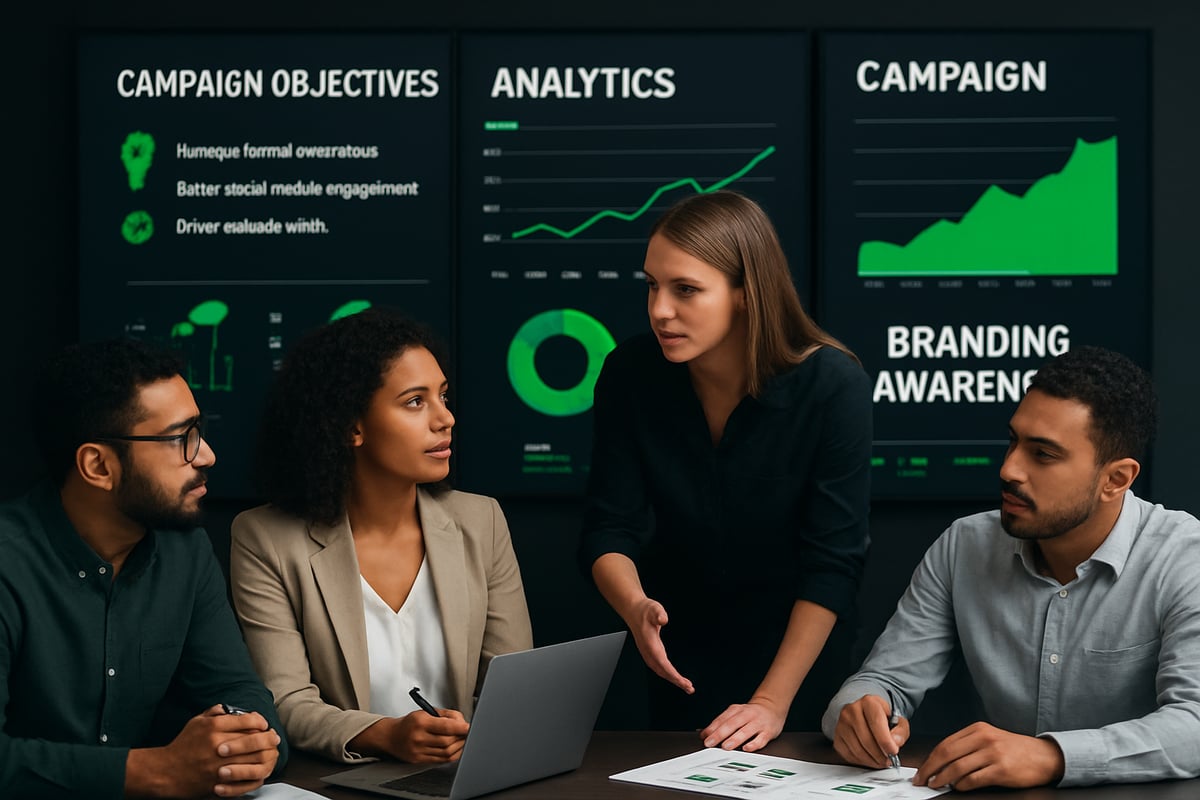
Setting clear objectives is the foundation of any successful branding awareness campaign. To make an impact in 2026, brands must ensure their campaign goals closely align with overall business objectives. This alignment helps unify vision across teams and provides a clear direction for every marketing effort.
Aligning Objectives with Business Goals
Start by distinguishing between quantitative objectives, like reach and impressions, and qualitative ones, such as sentiment or share of voice. Both types play a critical role in shaping a branding awareness campaign that drives measurable results.
Setting SMART Goals and Benchmarks
Effective campaigns use SMART goals—Specific, Measurable, Achievable, Relevant, and Time-bound. This approach brings clarity, enabling teams to track progress with tools like social listening, brand lift studies, and competitive analysis. For deeper insights into foundational tactics that strengthen campaign strategies, review Advertising and Marketing Insights.
Collaboration, Examples, and Pitfalls
One standout example is Nike’s “Just Do It” campaign, which set clear KPIs for brand recognition and sentiment, resulting in lasting impact. Success also hinges on stakeholder alignment and cross-department collaboration, ensuring everyone supports the branding awareness campaign’s objectives.
According to the Content Marketing Institute, 71% of successful campaigns have clearly defined objectives. Avoid vague goals by making them actionable and measurable, and always revisit objectives to adapt to changing market conditions.
Step 2: Identifying and Targeting Your Audience
Knowing your audience is essential for any successful branding awareness campaign in 2026. Brands must go beyond surface-level demographics, building detailed personas that reflect psychographics, digital behaviors, and shifting consumer expectations. According to recent data on brand awareness by category in the U.S., tailoring campaigns to specific segments is more critical than ever.
Advanced targeting now relies on AI-driven segmentation, lookalike audiences, and predictive analytics. These tools help brands identify high-potential users and reach them with precision. Privacy-compliant first-party data is a key asset, enabling personalized connections while respecting evolving regulations.
For example, Spotify’s data-driven campaigns deliver tailored messages based on listening habits, boosting engagement. In fact, 80 percent of consumers are more likely to engage with personalized experiences, making this approach a cornerstone of any branding awareness campaign.
Mapping every audience touchpoint across social, web, and offline channels is vital. However, reaching fragmented audiences remains a challenge, requiring constant feedback integration and agile refinement to stay ahead in the digital landscape.

Step 3: Crafting Compelling Campaign Messaging & Creative
Creating a standout branding awareness campaign in 2026 requires more than catchy slogans. Messaging must connect on a human level, reflecting evolving consumer expectations and digital behaviors.
The Power of Storytelling and Authenticity
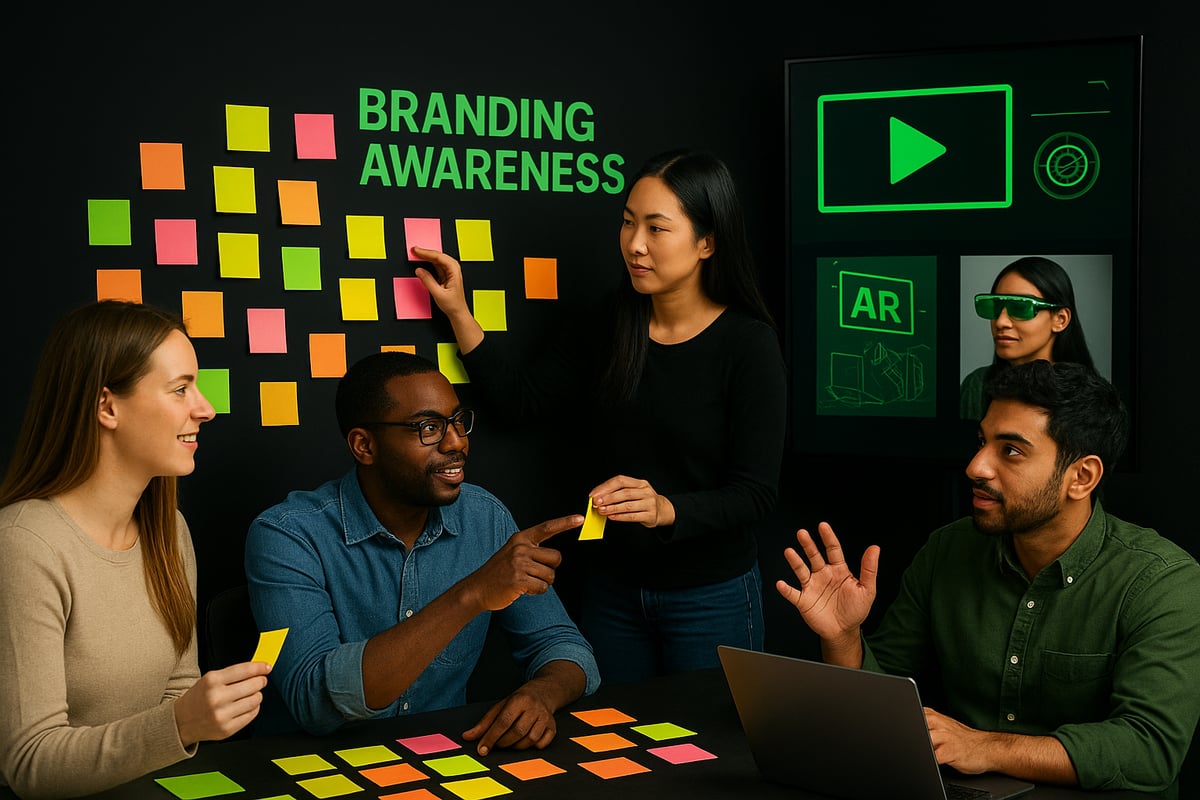
Story-driven campaigns form the foundation of an effective branding awareness campaign. Audiences crave authenticity and want to see real stories, not just polished ads. Brands like Coca-Cola with “Share a Coke” and Apple’s minimalist narratives show how emotional resonance boosts recall. User-generated content and influencer partnerships add credibility, making the message relatable. Consistency in voice and visual identity across every touchpoint strengthens recognition and fosters trust with your audience.
Interactive Formats and Creative Optimization
Modern consumers expect more than static images. Interactive formats such as AR, VR, live streams, and gamified experiences capture attention and increase brand recall by 65% according to Forbes. Regular A/B testing and creative optimization ensure your branding awareness campaign adapts to audience feedback. Prioritizing accessibility and inclusivity means your message reaches and resonates with everyone. For more insights on leveraging short-form video and interactive content, explore these marketing strategies for 2026.
Step 4: Executing and Amplifying Your Campaign
Executing a branding awareness campaign in 2026 means more than simply pushing content live. It begins with structured pre-launch planning, including asset development, stakeholder alignment, and setting up tracking.
During the launch phase, select channels that align with your audience. Social media, influencer marketing, digital out-of-home, CTV, and podcasts each offer unique strengths. Integrated campaigns achieve 23% higher reach, according to Nielsen, making cross-channel synergy essential.
For example, Adidas’ multi-channel World Cup campaign combined social, influencer, and real-world activations for maximum impact. Partnerships and earned media further amplify reach, while automation and AI tools streamline campaign management and optimize spend.
Real-time monitoring is crucial. Prepare for crisis management and adjust quickly if sentiment shifts or technical issues arise. Continuous optimization ensures your branding awareness campaign remains effective from launch to post-campaign analysis.
To stay ahead, consider insights from 2026 marketing strategy priorities which emphasize data-driven decisions and video content for amplification. A well-executed campaign not only boosts immediate visibility but also builds lasting brand equity.
Step 5: Measuring Success and Iterating for Future Growth
Measuring the impact of your branding awareness campaign is crucial for understanding what works and where to improve. Start by tracking essential metrics like reach, impressions, brand lift, sentiment, and share of voice. These indicators help you see not just how many people saw your campaign, but also how they perceived your brand.
Leverage advanced analytics tools such as Google Analytics 4, social listening platforms, and brand health trackers. For example, Dove regularly monitors brand sentiment and campaign impact, enabling them to adjust strategies in real time. In fact, 68% of marketers now update campaigns based on real-time analytics, ensuring their branding awareness campaign remains relevant and effective.
Continuous testing and optimization are key. Use customer feedback and post-campaign surveys to identify strengths and areas for growth. Summarize insights in clear reports, and communicate results with stakeholders for collective learning. For more strategies on campaign measurement and reporting, explore the Branding Category Insights.
By treating measurement as an ongoing process, you set the stage for smarter campaigns and greater brand impact in the future.
You’ve now got a solid foundation for planning and executing a standout branding awareness campaign in 2026—from setting clear goals to leveraging creative event marketing and tracking real results. If you’re ready to take your strategy to the next level or want hands on support with event marketing, advanced tracking, and multi channel promotion, I’d love to help you put these insights into action. Let’s chat about your brand’s unique needs and how you can drive real growth and lasting impact together. Let’s Talk