Advertising is on the verge of a dramatic shift, with multimedia advertising set to redefine how brands connect with audiences by 2026.
This guide will show you how multimedia advertising is shaping the future of digital marketing. You will discover practical strategies, the latest technology trends, and proven ways to keep your brand ahead.
We will cover what multimedia advertising means, its evolution, top trends for 2026, essential channels, integration tips, measurement, and what lies ahead.
Ready to future-proof your brand? Explore this essential guide and unlock the tools to thrive in a rapidly changing digital world.
What is Multimedia Advertising? Evolution and Core Concepts
Multimedia advertising is the strategic use of text, graphics, video, audio, animation, and interactivity to deliver marketing messages that captivate and engage audiences. By combining these elements, brands can communicate more effectively and leave a lasting impression.
Looking back, advertising started with static print and TV spots. Today, it has evolved into immersive, interactive digital experiences that invite users to participate. This shift accelerated as digital ad spend overtook TV by 2017, marking a new era for marketers.
The widespread adoption of smartphones and increased web usage have fueled the growth of multimedia advertising. Smart devices enable brands to deliver rich, interactive campaigns anytime, anywhere, making content more accessible and dynamic.
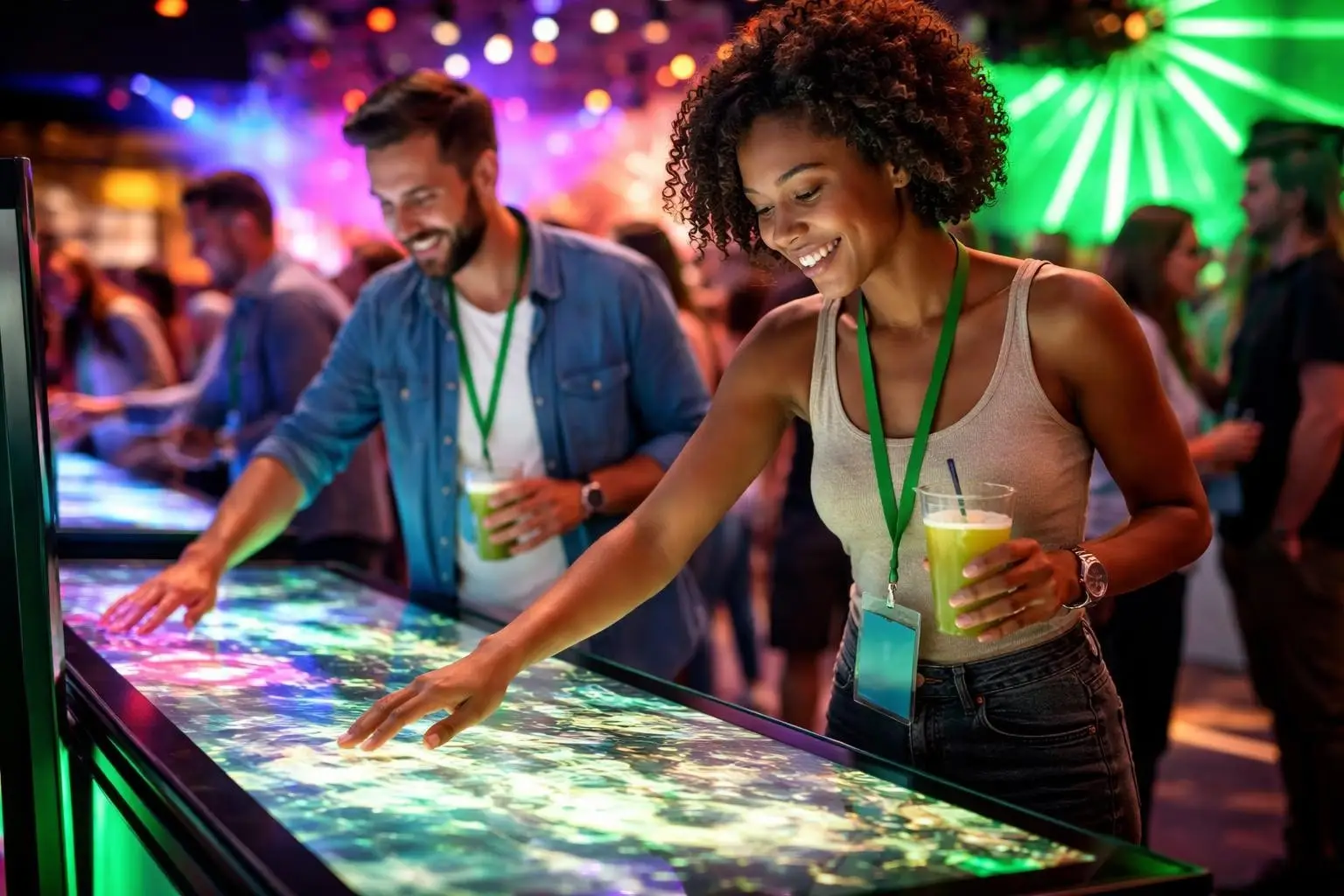
Sensory appeal is a core strength. Blending visuals, sound, and interactive features increases engagement and recall, making campaigns more memorable. This multi-sensory approach helps brands break through the noise and connect on a deeper level.
Now, multimedia advertising is essential, not optional. Brands that embrace it reach wider audiences and achieve higher conversions compared to those relying solely on traditional formats. For instance, mobile web traffic has surged by 30 percent year over year, expanding opportunities for interactive campaigns.
To learn more about the principles driving this evolution, explore Advertising and Marketing Insights for a deeper dive into the strategies behind successful multimedia advertising.
Key Trends Shaping Multimedia Advertising in 2026
The future of multimedia advertising is defined by rapid innovation, shifting consumer expectations, and the integration of transformative technologies. Brands that want to succeed by 2026 must understand the forces reshaping the landscape.
Artificial Intelligence and Personalization
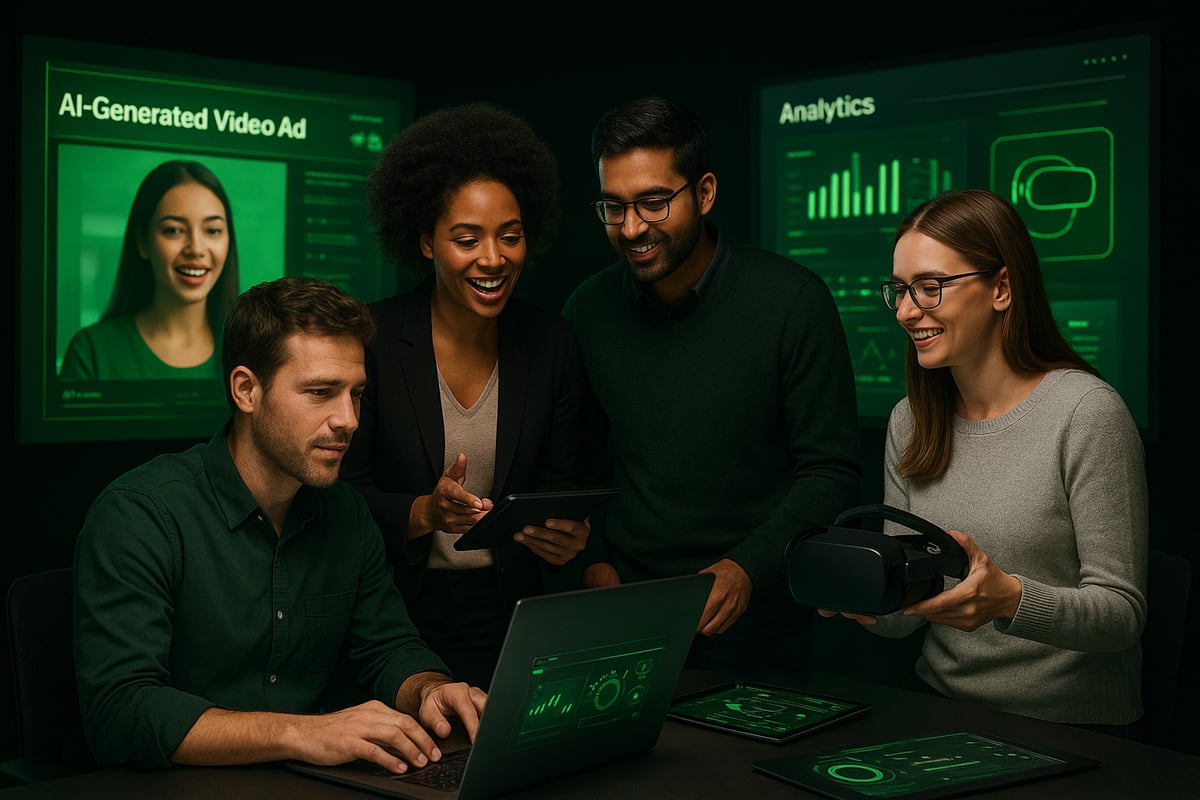
Artificial intelligence is revolutionizing how multimedia advertising content is created and delivered. Generative video, voice synthesis, and dynamic creative optimization allow brands to produce highly personalized experiences at scale. Imagine receiving a video ad that addresses you by name and speaks to your unique interests.
AI-powered personalization enables marketers to tailor video and audio ads for each user, resulting in higher engagement and customer retention. According to recent trend analysis, AI-driven multimedia is expected to dominate content production by 2026. Brands leveraging these tools see measurable improvements in ROI and campaign effectiveness. For a deeper dive into how AI is transforming ad creation, check out this AI-driven content creation in advertising research.
Immersive Technologies: AR, VR, and 360° Experiences
Immersive technologies are becoming mainstream in multimedia advertising. Augmented reality and virtual reality are now widely used in sectors like retail, real estate, and live events. Brands offer virtual try-ons, VR property tours, and interactive previews to engage consumers in memorable ways.
360° video storytelling is gaining traction, especially in tourism and event marketing. With AR and VR marketing spend projected to grow rapidly, these tools are blurring the lines between digital and real-world experiences. As adoption rises, expect more brands to harness immersive content to stand out.
Cross-Channel and Omnichannel Integration
Seamless integration across multiple channels is now a core requirement for effective multimedia advertising. Brands synchronize messaging and creative assets on social media, search, display ads, connected TV, and digital out-of-home platforms.
Running coordinated campaigns across Instagram, YouTube, and CTV ensures a unified brand presence and improves both engagement and conversion rates. Industry benchmarks reveal that omnichannel strategies deliver higher returns compared to single-channel efforts. As 2026 approaches, mastering integration will be critical for brands aiming to maximize the impact of their multimedia advertising campaigns.
Essential Multimedia Advertising Channels and Formats in 2026
To succeed in 2026, brands must master a wide range of multimedia advertising channels and formats. This diversity ensures campaigns stay engaging, reach audiences where they are, and maximize results.
Video: Short-Form, Live, and Interactive
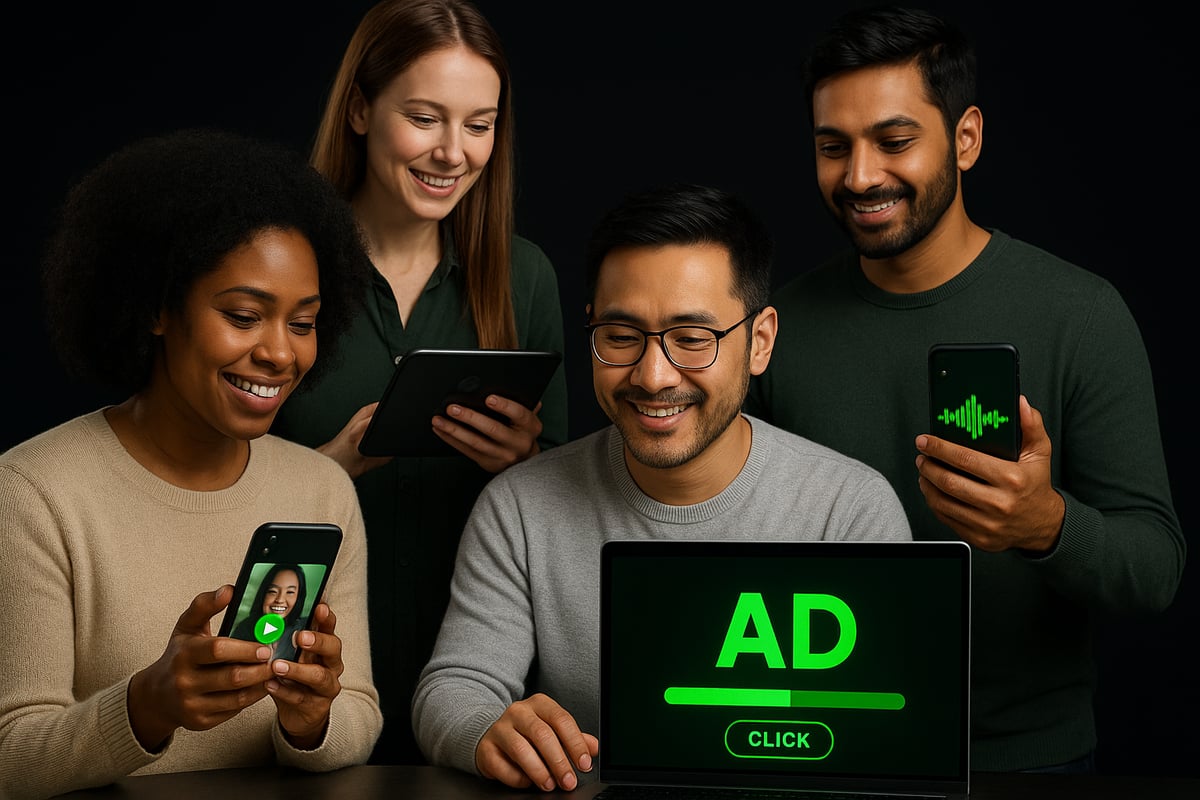
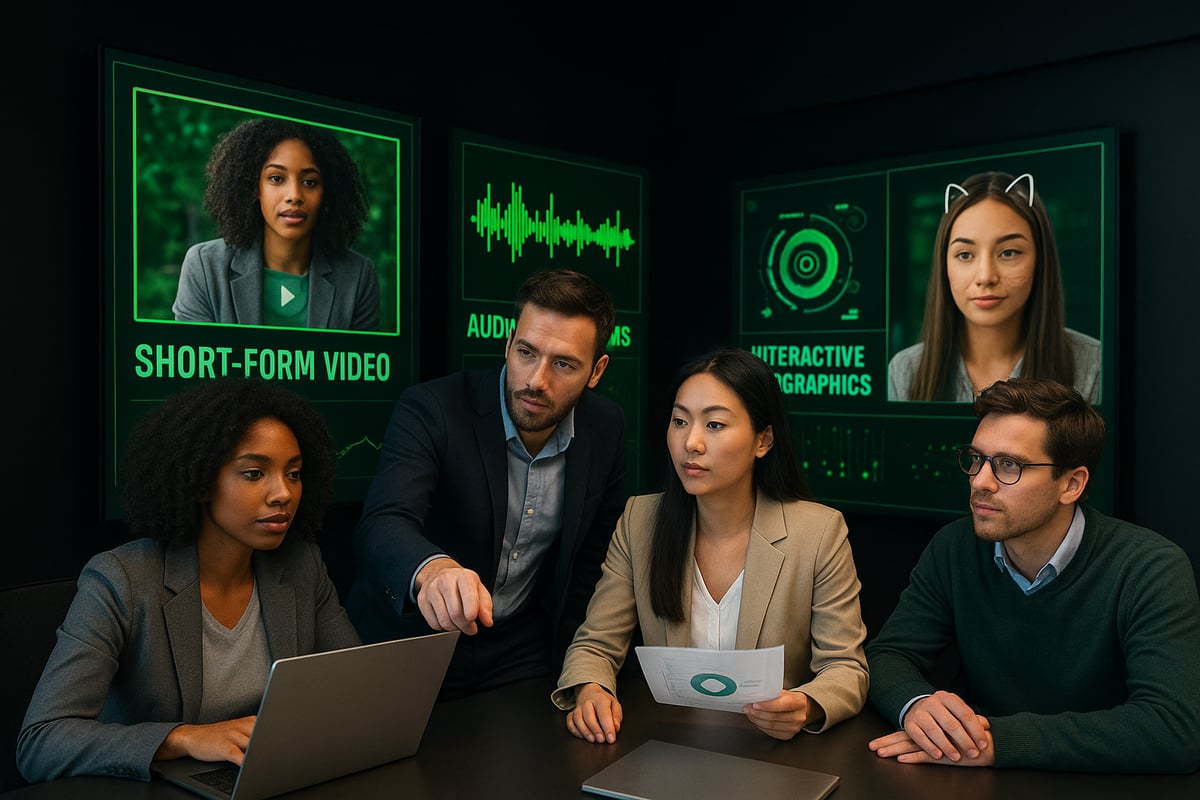
Video remains the powerhouse of multimedia advertising, with short-form clips leading social media. Platforms like TikTok and Instagram Reels keep users hooked through punchy, memorable content. Live streaming connects brands with viewers in real time, while interactive video ads enable personalized journeys. According to short-form video statistics and impact, video content achieves remarkable message retention, making it a top choice for 2026 campaigns.
Audio: Podcasts, Voice Search, and Sonic Branding
Audio is surging as brands tap into podcasts, branded playlists, and sonic logos. Podcasts attract loyal listeners, allowing for deep brand storytelling. Optimizing for voice search ensures brands stay discoverable on smart devices. Sonic branding, such as recognizable intro sounds, builds instant recall. Companies are increasingly using audio to engage multitasking audiences and reinforce their message across touchpoints.
Visuals: Infographics, Animations, and AR Filters
Visual formats like infographics and animations simplify complex ideas, making information digestible and shareable. AR filters on social platforms invite users to interact directly with brand assets, boosting engagement and virality. Many brands leverage branded AR filters to create memorable, interactive experiences that users are eager to share, helping campaigns gain organic traction.
Interactive and Immersive Content
Interactive content, such as clickable infographics, quizzes, and virtual walkthroughs, keeps audiences engaged longer. Gamification elements, like rewards or challenges, encourage participation. Retailers are adopting virtual try-ons and interactive catalogs, letting consumers explore products before purchase. Interactive formats consistently increase dwell time and engagement, making them essential for multimedia advertising strategies.
In 2026, the brands that excel will be those who integrate these multimedia advertising channels and formats to deliver seamless, engaging experiences across every customer touchpoint.
Step-by-Step: Building a High-Impact Multimedia Advertising Strategy
Crafting a strong multimedia advertising strategy means following a clear, actionable process. Here is a step-by-step guide to ensure your campaigns stand out and drive results in 2026.
Step 1: Audience and Platform Analysis
Start by researching your audience’s preferences for content types like video, audio, and interactive experiences. Choose platforms where your audience is most active to maximize multimedia advertising effectiveness.
Step 2: Creative Development and Consistency
Invest in high-quality creative assets that are tailored to each channel. Maintain consistent messaging and visual identity across all touchpoints to reinforce brand recognition.
Step 3: Multi-Channel Campaign Planning
Map the customer journey to identify key touchpoints. Plan campaigns that integrate content across social, search, display, connected TV, and digital out-of-home for seamless experiences.
Step 4: Advanced Tracking and Analytics
Implement robust tracking to monitor engagement, conversions, and ROI. Use real-time analytics to adjust your multimedia advertising campaigns and improve results as data comes in.
Step 5: Testing, Optimization, and Scaling
Continuously A B test creatives, formats, and messaging. Scale successful strategies and iterate based on performance data to maximize your marketing investment.
How Greenslant Empowers Event Marketers with Multimedia Advertising
For event marketers, Event Marketing with Multimedia details how Greenslant’s end-to-end approach leverages creative production, tracking, and omnichannel integration to boost ticket sales and brand impact.
Measuring Success: Analytics, ROI, and Optimization
Tracking the impact of multimedia advertising is essential for any brand aiming to maximize results in 2026. Success starts with clearly defined key performance indicators (KPIs) that reflect campaign goals and audience engagement. Common KPIs for multimedia advertising include:
- Engagement rates
- Dwell time
- Conversion rates
- Brand lift
Advanced tracking tools now offer real-time analytics and robust attribution, empowering teams to monitor performance across every channel. For example, campaign managers can use daily sales trackers to assess which creative assets drive the most conversions on both social and connected TV.
Cross-channel analytics are vital for multimedia advertising strategies. Monitoring unified data helps marketers refine their AR campaign targeting or optimize video content for higher retention. According to industry benchmarks, interactive and video ads consistently deliver better conversion rates and lower customer acquisition costs.
Continuous measurement and optimization give brands a competitive edge. By analyzing results and adapting quickly, marketers can ensure their multimedia advertising campaigns remain effective as new formats and platforms emerge. For more insights and resources on analytics and ROI, visit the Advertising Category Resources page.
Future-Proofing Your Multimedia Advertising: Trends and Best Practices
Staying ahead in multimedia advertising requires brands to embrace the technologies and tactics shaping 2026. To remain competitive, marketers must go beyond conventional approaches and adopt strategies that adapt to rapid digital change.
Artificial intelligence is no longer optional for multimedia advertising. Brands are leveraging AI for scalable content creation, hyper-personalized messaging, and automated campaign optimization. For example, AI-generated video and voice assets enable marketers to tailor ads at scale, reaching audiences with relevant, dynamic content. To see how AI is transforming event marketing, explore AI in Event Marketing.
Investing in immersive formats is also essential. Augmented reality, virtual reality, and 360-degree video are gaining traction as consumers crave engaging and interactive experiences. Retailers use AR for virtual try-ons, while travel brands offer 360-degree tours to inspire bookings. These formats bridge digital and physical worlds, driving higher engagement and recall.
Consistency across channels is critical for building trust and recognition. Brands should synchronize creative assets and messaging across social, search, display, and connected TV. Staying agile means monitoring trends like live commerce and the creator economy. For insight on how these trends are shaping multimedia advertising, visit Live commerce and creator economy trends.
Fostering engagement with interactive content is a must. Quizzes, polls, and shareable AR filters boost participation and brand reach. As digital ad spend is projected to reach $260B by 2026, brands that innovate with multimedia advertising will see stronger engagement, retention, and ROI.
Best Practices Table
| Strategy | Benefit |
|---|---|
| AI and automation | Scalable, personalized ads |
| Immersive formats | Higher engagement and recall |
| Cross-channel sync | Consistent brand experience |
| Interactive content | Greater audience loyalty |
By adopting these future-focused best practices, your brand will be well positioned to thrive in the evolving world of multimedia advertising.
As we’ve explored, staying ahead in 2026 means embracing multimedia advertising—whether you’re experimenting with AI, diving into immersive AR experiences, or fine tuning your cross channel campaigns. If you want to turn these insights into real results for your next event, I’d love to help you figure out the best path forward. Let’s chat about your goals and explore how Greenslant’s creative strategies and advanced tracking can drive more ticket sales and brand impact. Ready to set your event up for success? Let’s Talk