
In 2026, capturing your audience’s attention is more challenging than ever. The right campaign sale strategy can be the difference between falling behind and driving real results.
This guide is designed to help sales and marketing leaders master campaign sale planning and execution. You’ll discover frameworks, step-by-step tactics, and campaign types that deliver measurable revenue.
We’ll break down the fundamentals, highlight how campaign sales differ from marketing campaigns, and walk you through proven planning methods. Expect insights on winning campaign structures and the latest tracking tools.
Ready to boost your results with future-focused, data-driven strategies? Dive in and start transforming your campaign sale approach for maximum impact.
Understanding Campaign Sales in 2026
A campaign sale in 2026 is more than a simple outreach effort. It is a coordinated, time-bound, multi-channel approach designed to engage targeted segments and drive measurable results. Unlike routine sales, a campaign sale is built on structure and repeatability, ensuring every step is tracked and optimized for specific goals.
Key elements of a successful campaign sale include:
- Defined timeframes, typically lasting from two weeks to several months
- Laser-focused targeting, using both firmographic and behavioral data
- Goal-oriented design, emphasizing clear outcomes like meetings or revenue
- Multi-touchpoint sequences that nurture prospects across channels
The landscape for campaign sale strategies is rapidly evolving. Increased personalization, powered by AI-driven segmentation and omnichannel integration, is now standard. These trends allow teams to deliver tailored experiences at scale, as explored in AI-driven personalization in 2026. This shift means every prospect receives messaging that feels relevant and timely, boosting engagement.
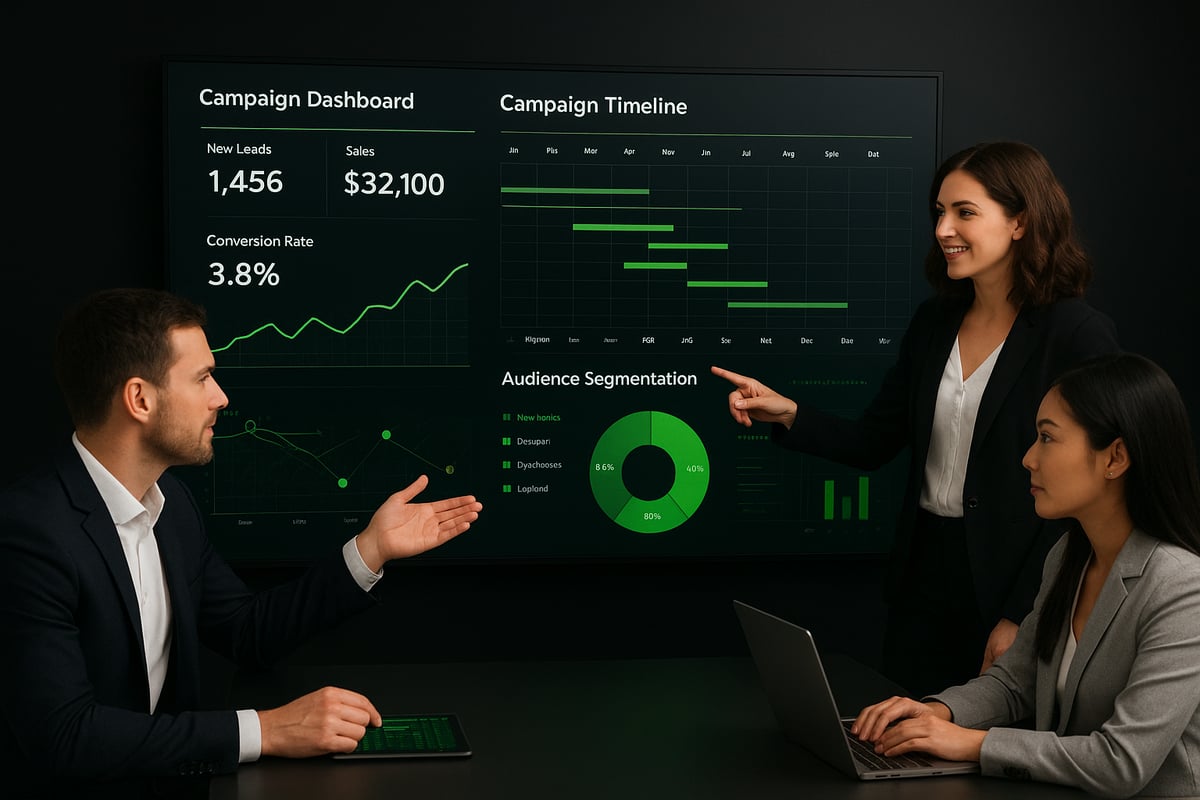
Modern sales teams now use campaign boards to track every interaction and outcome. Data shows that campaigns using multi-touch approaches achieve up to three times higher conversion rates compared to single-channel efforts.
By aligning sales and marketing within a campaign sale, organizations gain predictable, consistent results. As buyers demand more tailored experiences, mastering the campaign sale approach is critical for building a healthy pipeline and driving growth.
Campaign Sales vs. Marketing Campaigns: Key Differences
Understanding the distinction between a campaign sale and a marketing campaign is essential for maximizing results. A campaign sale is designed to drive direct revenue, focusing on closing deals with targeted prospects. In contrast, marketing campaigns aim to build awareness and generate leads for the sales pipeline.
| Attribute | Campaign Sale | Marketing Campaign |
|---|---|---|
| Objective | Close deals, drive revenue | Build brand, generate leads |
| Ownership | Sales team | Marketing team |
| Messaging | Personalized, one-to-one | Broad, one-to-many |
| Metrics | Conversions, sales cycle, revenue | Lead volume, brand engagement |
For example, a sales team may run a campaign sale targeting 50 qualified demo attendees with tailored follow-ups, while marketing might reach 5,000 prospects with industry content to fill the funnel. Both play vital roles, but their methods and goals differ.
When aligned, these efforts can boost opportunity-to-close ratios. According to Monday.com, coordinated campaigns see significantly better results. To ensure success, it's crucial to keep responsibilities clear and avoid overlap. For teams seeking to improve how they generate and nurture leads, exploring how to create a lead generator can provide valuable insights.
Clear separation of roles and strategies means each team can focus on their strengths, ultimately driving better outcomes for your business.
Step-by-Step Guide to Planning a Winning Campaign Sale
Planning a successful campaign sale in 2026 requires a clear framework and an agile mindset. With shifting buyer expectations, each step must be intentional and data-driven. Here’s how to break down the process for maximum results.
Step 1: Define Campaign Objectives and Target Audience
Start by outlining what you want your campaign sale to achieve. Are you aiming for more meetings, pipeline growth, or direct revenue? Set measurable goals that everyone understands.
Segment your audience using firmographics, behaviors, and buying stages. For example, target “VPs of Sales at SaaS companies using legacy CRMs.” This precise approach increases response rates by 30 percent.
When your campaign sale has clear objectives and a well-defined audience, your team can focus their efforts for better outcomes.
Step 2: Develop Multi-Channel Touchpoint Strategy
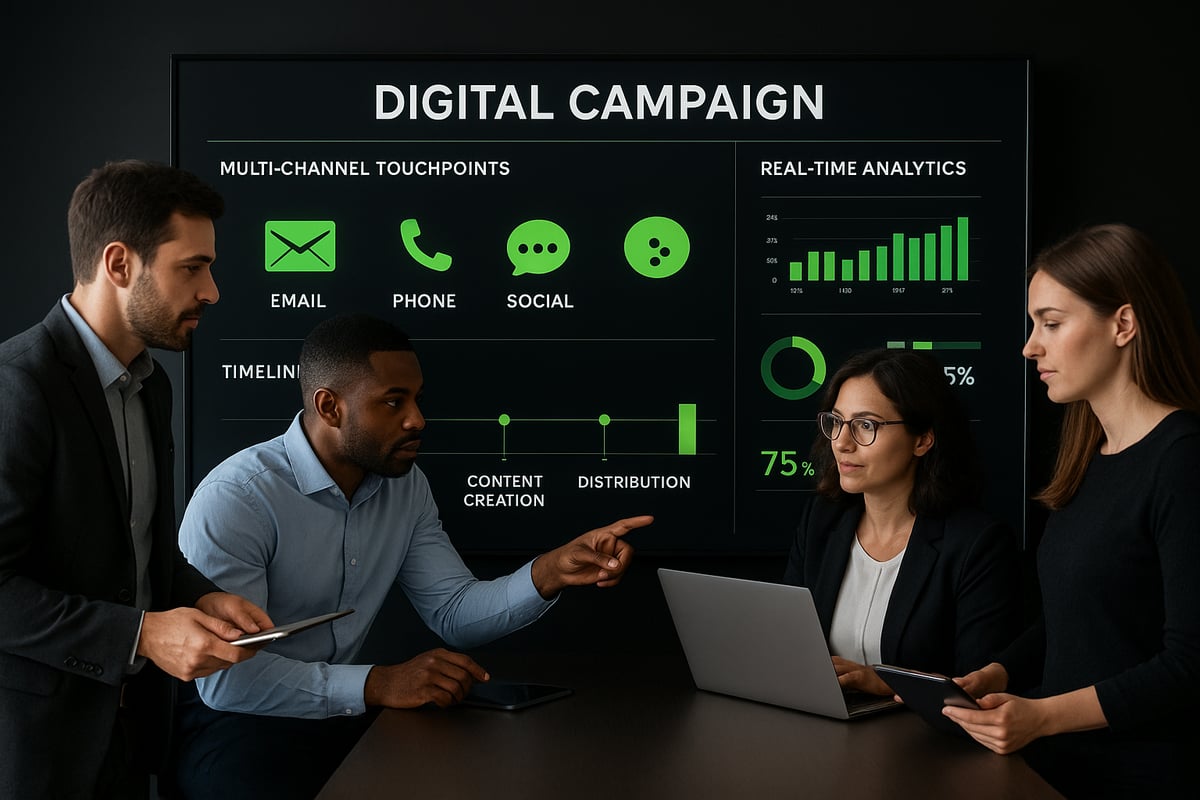
Choose the right mix of channels, such as email, phone, LinkedIn, direct mail, or events. Structure your outreach over 2 to 6 weeks, creating 8 to 12 touchpoints across at least three channels for optimal engagement.
A multi-channel approach outperforms single-channel efforts by 287 percent. Make sure your channel mix matches your audience’s preferences, and drive them toward high-conversion destinations. For tips on optimizing your landing pages, explore Landing page campaigns strategies.
Mapping out these touchpoints in advance helps ensure no prospect falls through the cracks.
Step 3: Craft Personalized Messaging and Offers
Personalization is the heart of a high-performing campaign sale. Address each prospect’s unique challenges and reference their recent activity or context.
Use social proof, relevant case studies, and tailored value propositions to make your outreach resonate. For instance, mention a prospect’s recent product launch or industry news in your message.
Personalized emails can yield up to six times higher transaction rates, making relevance critical to campaign sale success.
Step 4: Implement Tracking, Measurement, and Follow-Up Protocols
Leverage your CRM or campaign boards to monitor every touchpoint and response. Track key metrics like response rates, conversions, and revenue per campaign.
Set up automated alerts for prospect engagement, so your team can respond quickly. Real-time dashboards provide visibility and allow for rapid adjustments.
Teams with robust tracking systems can optimize their campaigns twice as fast, ensuring no opportunities are missed.
Step 5: Optimize and Iterate Based on Performance
After each campaign cycle, review your results. Analyze which channels, messages, and timings performed best.
Run A/B tests on offers and touchpoints to refine your approach. For example, adjust your messaging based on which trial conversion rates are strongest.
Continuous optimization can boost campaign sale ROI by 25 percent. Adopting a test-and-learn mindset is essential for staying ahead in 2026.
Essential Components of High-Converting Campaign Sales
To build a high-converting campaign sale, every element must work together as a seamless system. Each component plays a unique role in capturing attention, nurturing relationships, and moving prospects through your sales pipeline.
A successful campaign sale includes:
- Precise audience segmentation: Use firmographics, behavioral signals, and buying stage to micro-target prospects.
- Clear objectives: Set measurable benchmarks for meetings, opportunities, and revenue.
- Multi-channel orchestration: Integrate email, phone calls, social media, and direct mail for maximum reach.
- Personalized messaging: Move beyond templates by referencing specific pain points and the prospect’s context.
- Defined timeline: Structure your campaign sale over 2 to 6 weeks, spacing touchpoints for sustained engagement.
- Tracking systems: Implement real-time dashboards to monitor every interaction and outcome.
- Follow-up protocols: Respond rapidly to prospect engagement, ensuring no opportunity slips by.
For example, many teams now use visual campaign boards to centralize activities and outcomes. Campaigns with defined sequences and follow-up steps see up to 40% higher close rates. If you want to take this further, check out these data-driven marketing strategies that can help you optimize every stage.
Missing even one of these core campaign sale elements can weaken your results. In 2026, consistency and structure are the foundation of predictable revenue growth.
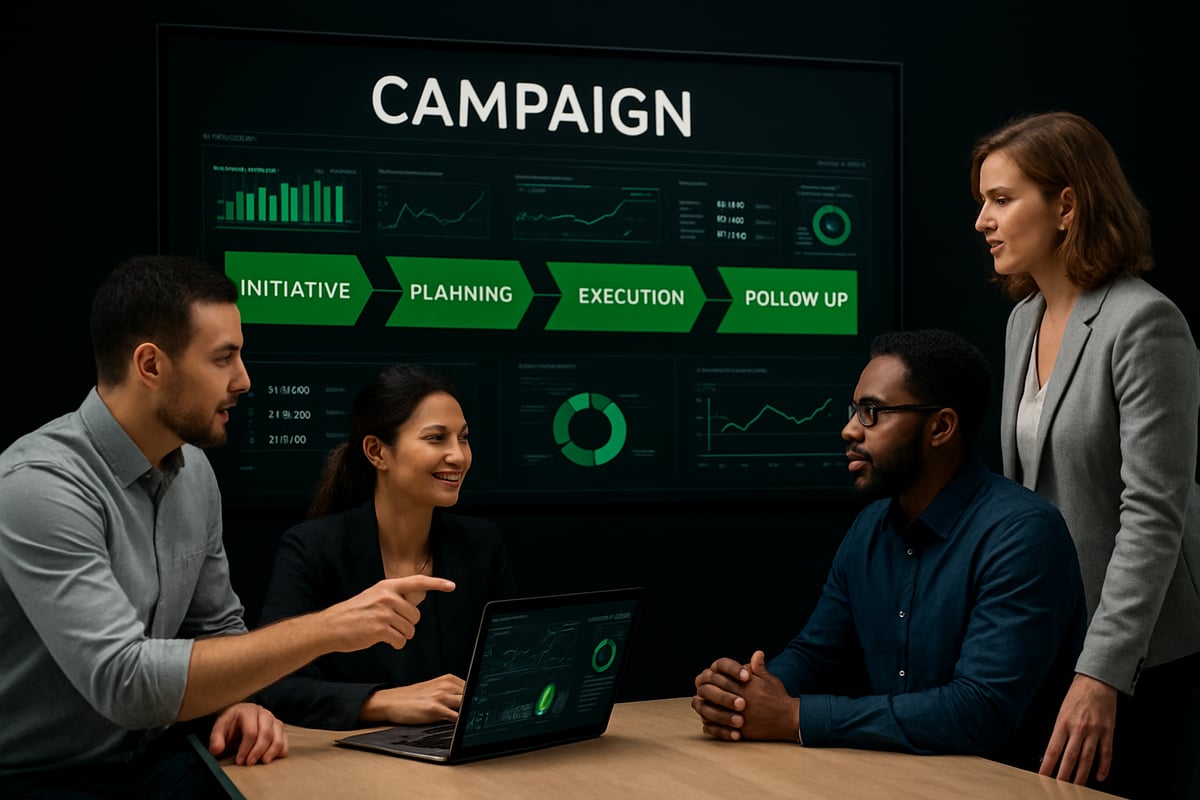
14 Most Effective Campaign Sale Types for 2026
The right campaign sale approach can transform your sales outcomes in 2026. Knowing which campaign sale type to deploy is crucial for engaging prospects and driving conversions in a competitive market.
Most Effective Campaign Sale Types
| Campaign Type | Description & Example |
|---|---|
| Lead Nurturing | Educate early prospects with content and frameworks. |
| Account-Based | Personalize outreach to high-value decision makers. |
| Referral Partner | Incentivize existing partners for new leads. |
| Win-Back | Re-engage lost customers with updated offers. |
| Upsell & Cross-Sell | Promote add-ons to current customers. |
| Product Launch | Build anticipation and drive new product adoption. |
| Event-Driven | Center sales around events, using event marketing best practices for engagement. |
| Social Selling | Use LinkedIn and social platforms for outreach. |
| Multi-Touch Outbound | Systematic outreach across channels and touchpoints. |
| Free Trial Conversion | Guide users from free to paid accounts. |
| Competitive Displacement | Target competitor clients with migration offers. |
| Seasonal Sales | Align offers with holidays or industry cycles. |
Campaign sale success often hinges on selecting the right mix for your goals. Companies using multiple campaign sale types consistently outperform others in revenue growth, as shown by recent sales trends and statistics 2025.
The key is to match your campaign sale type to your target audience, timing, and objectives for maximum impact.
Tools and Technologies for Campaign Sale Success in 2026
The right technology stack is non-negotiable for campaign sale success in 2026. Sales teams need powerful tools that centralize management, automate outreach, and deliver insights fast.
Essential Tools for Campaign Sale Excellence:
- CRM Platforms: Centralize every campaign sale touchpoint, track conversations, and automate routine tasks.
- AI-Powered Segmentation: Use AI to automatically sort prospects, tailor messaging, and boost response rates. For a deeper dive into how AI is transforming sales, see AI in sales strategies.
- Campaign Boards: Visualize each sequence, channel, and outcome on a single dashboard, making it easier to spot gaps or opportunities.
- Automated Tracking: Monitor engagement and conversions in real time, with alerts for timely follow-ups.
- Data Analytics: Pinpoint the best-performing channels, offers, and messages quickly.
- Integration: Sync sales, marketing, and customer data for a unified view and seamless execution.
For example, using AI to personalize outreach at scale and trigger follow-ups based on prospect behavior is now standard in campaign sale operations.
Recent data shows that teams leveraging advanced tracking and automation adjust campaigns twice as fast and see a 25 percent higher ROI. Investing in these technologies is essential for staying agile and effective as the campaign sale landscape continues to evolve.
We’ve covered a lot of ground on how to plan, execute, and optimize campaign sales for 2026, from building multi channel strategies to using real time tracking for better results. If you’re ready to put these ideas into action and want to see how a tailored approach could boost your next event’s ticket sales and ROI, I’d love to help you take the next step. Let’s talk about your unique goals, your challenges, and how Greenslant’s event marketing solutions can make your campaigns stand out in a crowded market. Let’s Talk