In 2026, the digital world is more crowded than ever, making target audience reached a critical factor for success. Brands that cut through the noise thrive by connecting with the right people at the right moment. This guide is your roadmap for actionable, data-driven strategies to master audience targeting as the landscape evolves.
Discover how to identify and segment audiences, choose the best channels, personalize content, and measure results. We’ll also explore future trends so you stay ahead. Ready to turn digital chaos into real growth? Dive in for step-by-step tactics to ensure your message lands every time.
Understanding Your Target Audience in 2026
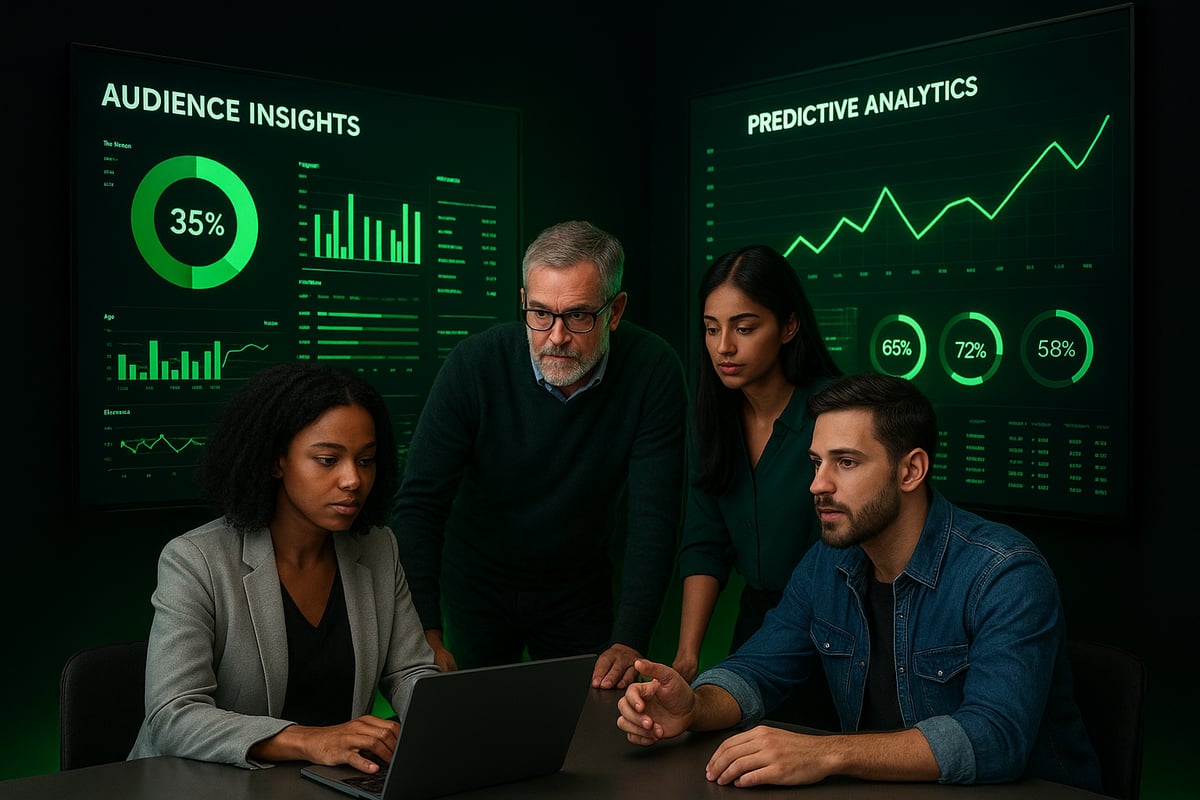
Grasping how the target audience reached landscape is shifting in 2026 is essential for effective marketing. Brands have moved from basic demographics to deep psychographic and behavioral profiling, often powered by AI and big data. Predictive analytics now help forecast what your audience will want next. For a practical guide to new methods, see Reaching Your Target Audience.
Key Data Sources and Tools
Effective audience targeting relies on multiple data streams. Brands use social listening, CRM data, and third-party platforms to understand trends. With privacy regulations rising, zero-party (data users give intentionally) and first-party data have become crucial. In fact, 79% of marketers say high-quality data is their top challenge, highlighting the need for reliable sources.
Building a strong data foundation means combining these tools for a holistic view. Brands that do this adapt quickly to changing audience behaviors.
Building Dynamic Audience Personas
To keep target audience reached strategies sharp, businesses now create dynamic, living personas. These personas evolve with fresh data, reflecting motivations, pain points, and favorite channels. For example, a B2B tech company might update its personas quarterly, using sales feedback to stay relevant. This ongoing refinement ensures your messaging stays in sync with real audience needs.
Segmentation Strategies for Hyper-Targeted Reach
Segmentation is the backbone of getting your target audience reached in 2026. Brands no longer settle for broad categories but dive deep into data-driven micro-segments that truly reflect customer behavior and intent. Let’s explore the key strategies shaping hyper-targeted segmentation.
Advanced Segmentation Techniques
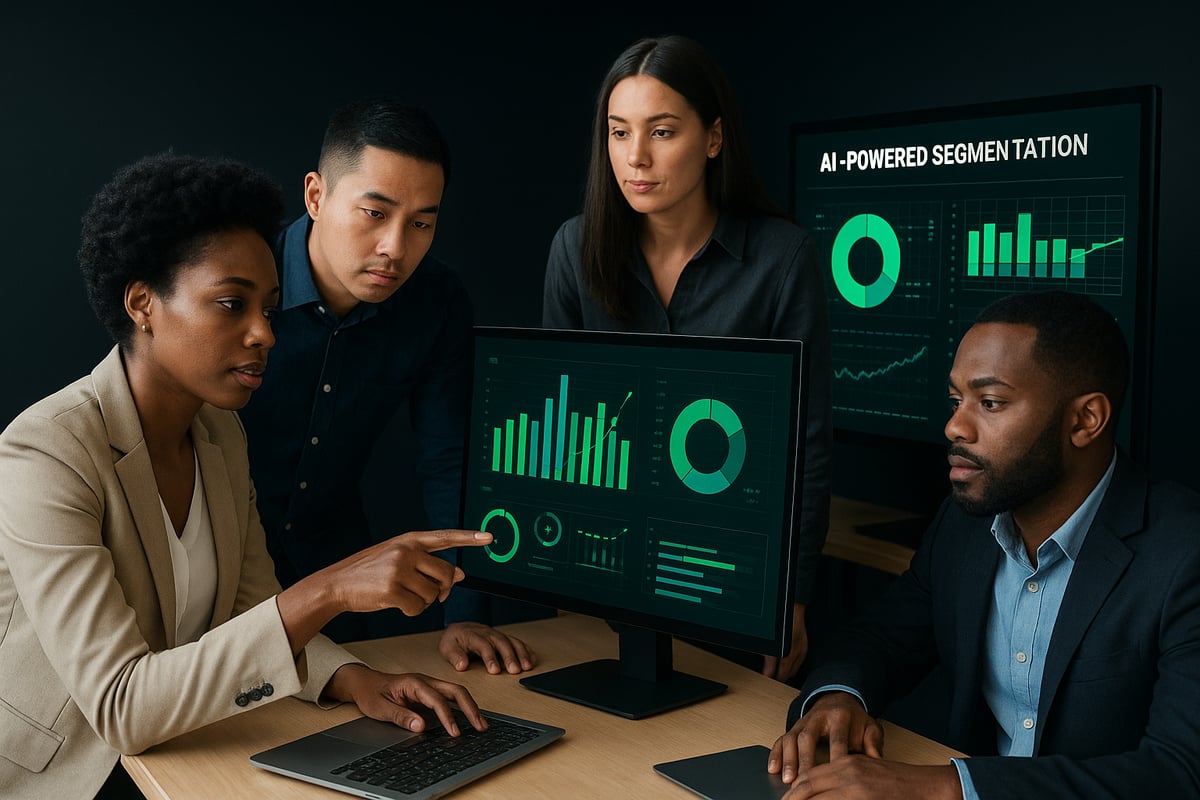
Today, advanced segmentation means moving beyond age or location. Companies now use micro-segmentation by blending behavioral, contextual, and intent-based data. For example, a streaming service might create segments based on binge-watching patterns or favorite genres.
This approach ensures every message is tailored, increasing the likelihood of your target audience reached. Micro-segmentation unlocks deeper engagement and better conversion rates.
AI and Machine Learning for Segmentation
AI and machine learning have transformed how marketers group and analyze audiences. Automated clustering enables real-time audience grouping, while predictive models help spot high-value prospects quickly.
According to Salesforce, 61 percent of marketers use AI for improved segmentation. For more insights on how AI can enhance segmentation, explore 3 Ways AI Can Supercharge Event Marketing.
Omnichannel Segmentation Approaches
Consistency across channels is crucial. Omnichannel segmentation ensures that audience groups are aligned whether you’re sending emails, running social ads, or launching search campaigns.
Cross-device identity resolution allows brands to maintain seamless messaging as users move from mobile to desktop, keeping the target audience reached at every touchpoint.
Personalization at Scale
Personalization at scale means using dynamic content and offers based on segment data. Retailers, for instance, can boost conversions by sending location-based offers to shoppers.
By leveraging data, brands ensure their target audience reached receives the right message at the right time, driving engagement and loyalty.
Privacy and Compliance Considerations
With evolving privacy laws like GDPR and CCPA, transparency is essential. Brands must offer clear opt-in choices and explain how data is used.
Following privacy best practices builds trust and ensures compliance, while still allowing effective segmentation and personalized outreach.
Channel Selection: Where to Reach Your Audience
Selecting the right channels is critical to ensuring your target audience reached goals become reality in 2026. The landscape is crowded and noisy, so finding where your audience spends their time is step one.
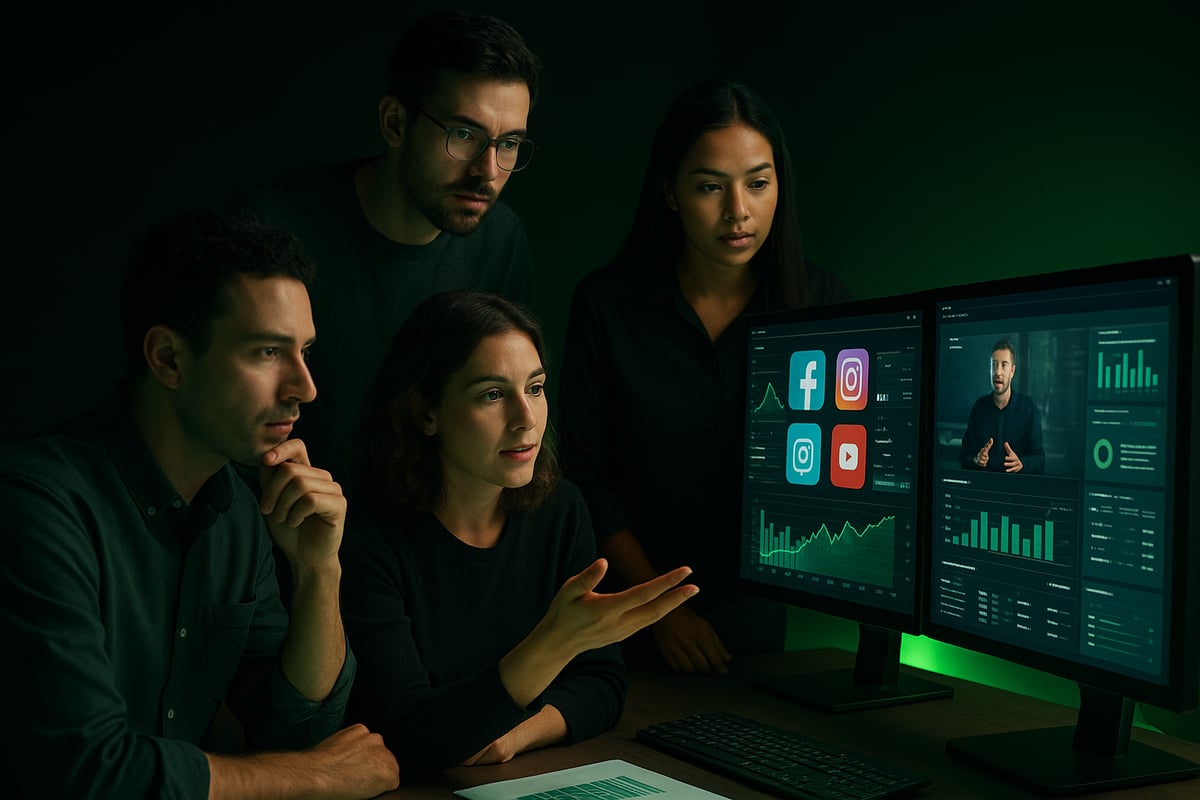
Evaluating channel effectiveness starts with comparing organic and paid reach. TikTok and YouTube Shorts are projected to capture 35 percent of under-30 attention, making them essential for brands targeting younger demographics. Understanding which platforms perform best for your brand is key.
To maximize your target audience reached, integrate social, search, email, and emerging platforms into a unified strategy. Brands are using SMS, app push notifications, and influencer collaborations to launch events and create buzz. For a deeper dive on how to orchestrate these strategies, see the Advanced Advertising Channels Overview.
New and emerging platforms are rapidly shifting the engagement landscape. Audio-first apps and interactive live streams are rising, while niche communities like Discord and Reddit offer targeted engagement opportunities for specific interests.
Balancing reach and ROI means allocating budget where your audience density and conversion rates are highest. Over half of marketers plan to increase influencer partnership spend. Channel testing through A B and multivariate tests, plus real-time analytics, ensure your target audience reached efforts remain effective and data driven.
Personalization and Content Strategies for Engagement
Personalization is essential for ensuring your target audience reached the right content at the right time. In 2026, brands must blend data, creativity, and technology to drive meaningful engagement and lasting loyalty.
Dynamic Personalization Tactics
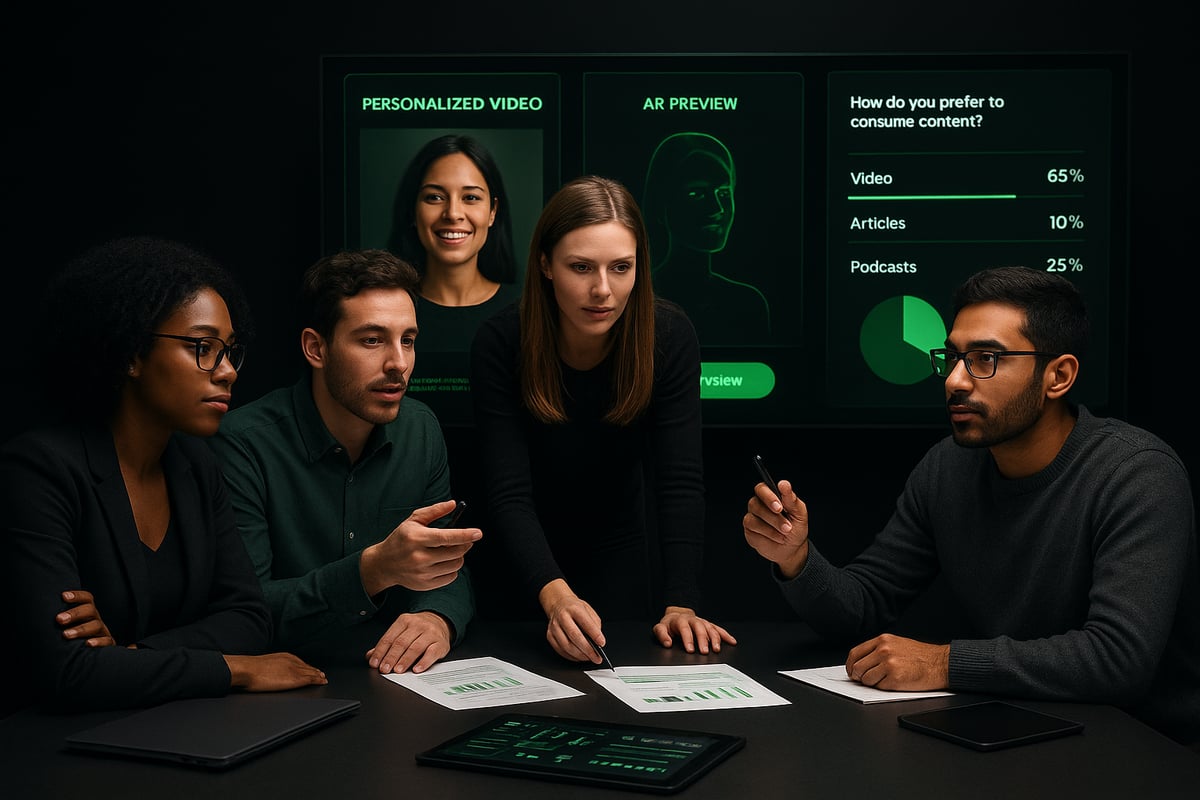
Successful brands adapt content in real time based on user actions. Imagine an e-commerce homepage that changes for each return visitor, showcasing products tailored to past browsing. This approach keeps the target audience reached with experiences that feel unique and relevant.
Content Formats That Resonate in 2026
Short-form video dominates attention, while interactive polls and AR/VR experiences increase participation. Studies show interactive content generates twice the engagement of static posts. Experimenting with these formats can help brands connect with audiences on their preferred platforms.
Storytelling and Emotional Connection
Authentic storytelling builds trust and loyalty. Brands that share real user-generated stories foster stronger emotional bonds. When the narrative aligns with audience values, your message feels personal and memorable, setting you apart in a crowded digital world.
Personalization vs. Privacy Balance
Personalization works best when it respects privacy. Use data ethically and offer transparent opt-ins, allowing users to control their experience. This builds trust and ensures your target audience reached feels valued rather than surveilled, which is vital for long-term engagement.
Automation and AI in Content Delivery
Automation and AI curate and deliver content tailored to each individual. Predictive recommendations increase dwell time and relevance. For more on how AI is transforming marketing personalization, see AI’s Impact on Marketing Personalization. Staying current with these innovations keeps your audience engaged.
Measuring Success: Analytics and Optimization
Understanding how your target audience reached your brand is essential for sustained growth. In 2026, measuring success means going beyond surface metrics and diving deep into analytics, attribution, and optimization cycles.
Key Metrics for Audience Reach
Track essential metrics like impressions, engagement, conversion rates, and customer lifetime value to evaluate your target audience reached goals. According to AI Adoption in Marketing Statistics, 88% of marketers now rely on AI-driven analytics to guide campaign decisions. Multi-touch attribution is also widely adopted for a comprehensive view.
Attribution Models and Tracking
Compare attribution models such as last-click, linear, and data-driven to understand which channels drive results. For example, a SaaS company identified high-performing touchpoints and optimized spend after analyzing detailed attribution data.
Real-Time Analytics and Dashboards
Live analytics dashboards empower teams to make agile decisions. Having a daily sales tracker or similar tools ensures you see shifts in your target audience reached performance instantly, enabling quick pivots and timely responses.
Continuous Optimization Cycles
Success demands continuous testing, learning, and iteration. Run A/B and multivariate tests, then close the feedback loop with sales and customer service to refine strategies. Optimization is a cycle, not a one-time task.
Benchmarking and Industry Standards
Set realistic KPIs by referencing industry benchmarks. Top-performing companies revisit their targeting strategies quarterly to stay ahead. Comparing your results with standards helps you keep your target audience reached objectives on track.
Future Trends and Innovations in Audience Targeting
As digital landscapes evolve, innovative approaches will reshape how the target audience reached is defined and engaged. These trends are set to transform audience targeting in 2026 and beyond.
AI-Driven Predictive Targeting
AI-powered predictive models will anticipate needs before users express them, enabling brands to refine how the target audience reached is approached. Retailers, for example, use AI to predict demand spikes and optimize campaigns. According to Generative AI’s Role in Video Advertising, nearly 90 percent of advertisers plan to use GenAI for video ads by 2026.
Privacy-First Marketing Approaches
With stricter privacy laws, marketers will lean on zero-party and first-party data. Ethical collection and transparent communication will be essential for trust and compliance as third-party cookies fade away.
Integration of AR/VR and Immersive Experiences
Immersive technologies such as AR and VR will drive engagement. Virtual events and interactive product demos will give brands new ways to connect with their audience, especially as Gen Z shows a preference for these experiences.
Decentralized Social and Web3 Communities
Blockchain-based platforms and NFT drops will create exclusive, loyal brand communities. Decentralized networks will allow for niche targeting, giving brands more control over reaching the right audiences.
Human-Centric and Value-Based Targeting
Messaging that aligns with audience values and social causes will matter more. Brands will need to prioritize transparency and authenticity, forging deeper emotional connections to keep their audiences engaged.
You’ve just explored the key strategies to not only find your ideal audience in 2026 but to truly connect with them in ways that drive ticket sales, conversions, and brand loyalty. With new channels, smarter segmentation, and creative event marketing solutions, it’s about making every message count. If you’re ready to put these insights into action and see how tailored event marketing can elevate your reach, let’s keep the conversation going. I’d love to hear about your goals and help you strategize for bigger results—Let’s Talk.