
Marketing is more than creating advertisements or posting on social media. It represents a systematic approach to understanding your audience, delivering value, and building relationships that drive business growth. For event organizers and promoters, mastering the process of marketing can mean the difference between empty venues and sold-out crowds. This comprehensive framework guides businesses through research, planning, execution, and measurement to achieve sustainable success.
Understanding the Marketing Process Framework
The marketing process involves several interconnected stages that work together to create value for customers and capture value in return. This systematic approach ensures that every marketing decision aligns with broader business objectives while addressing real customer needs.
At its core, the process of marketing begins with understanding your marketplace and customer needs. Market research forms the foundation of all successful marketing efforts. Event marketers need to analyze demographic data, psychographic profiles, and behavioral patterns to identify who will most likely purchase tickets. This research phase includes competitive analysis, trend identification, and opportunity assessment.
Strategic Planning and Segmentation
Once you understand the marketplace, the next phase involves developing a customer-driven marketing strategy. The Segmenting-Targeting-Positioning framework provides structure for this critical step.
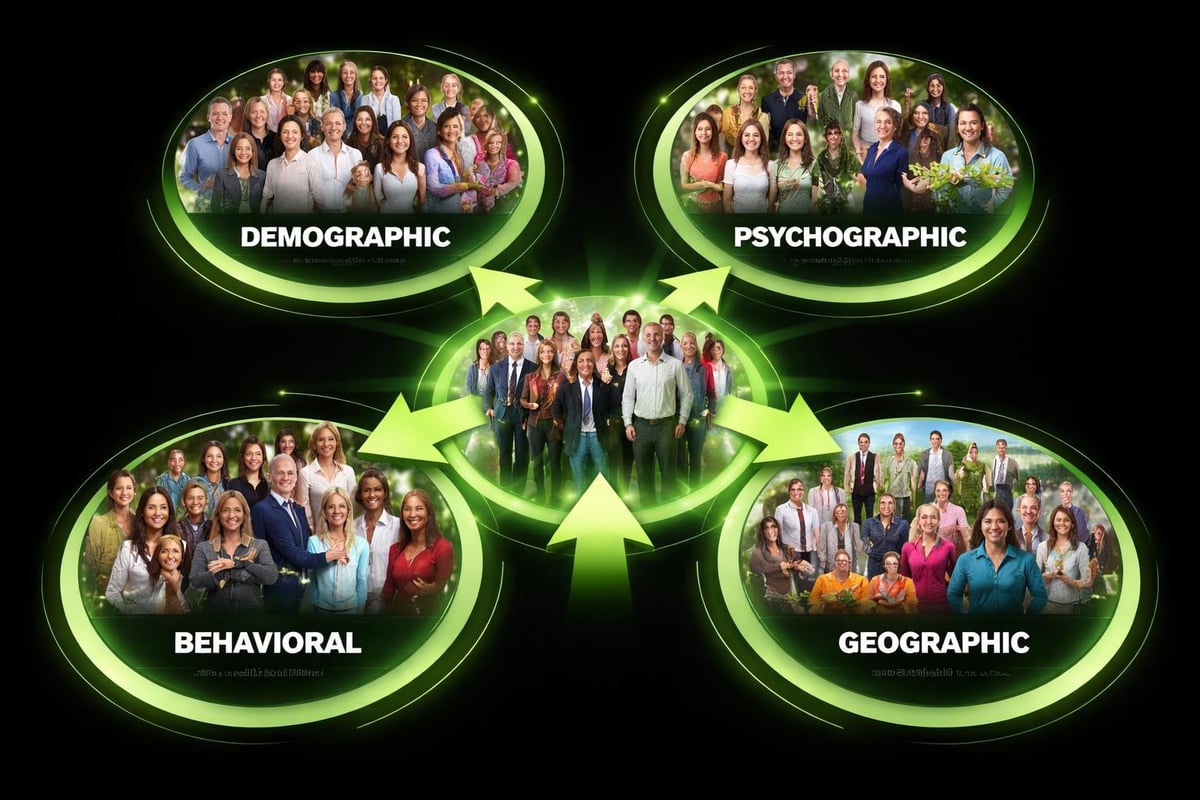
Market segmentation divides your potential audience into distinct groups based on:
- Demographics (age, income, location, education)
- Psychographics (values, interests, lifestyles)
- Behavioral factors (past attendance, spending habits)
- Geographic considerations (regional preferences, accessibility)
After segmentation, targeting determines which segments offer the greatest opportunity. For event marketing, this might mean focusing on enthusiasts who have attended similar events or audiences within specific geographic radius who match your ideal attendee profile.
Developing Your Marketing Mix
The process of marketing requires careful orchestration of the marketing mix, commonly known as the Four Ps: Product, Price, Place, and Promotion. Each element must work harmoniously to create compelling value propositions.
Product and Value Creation
For events, your "product" encompasses the entire experience. Consider what makes your event unique, memorable, and worth attending. The product life-cycle management approach helps you understand how to position and promote events at different stages, from launch to maturity.
Key product elements include:
- Core offering (speakers, performers, activities)
- Experiential components (networking, engagement opportunities)
- Supporting services (venue amenities, customer support)
- Brand associations (reputation, previous event success)
Pricing Strategy and Positioning
Pricing directly impacts both revenue and perceived value. Early bird discounts, tiered pricing, and group rates all serve strategic purposes within the broader process of marketing. Your pricing must reflect market expectations while maximizing revenue potential. Tools like TicketSpice enable flexible pricing strategies that adapt to demand and conversion patterns.
Execution and Implementation
Aligning your marketing process with business goals ensures that execution drives measurable results. Implementation transforms strategy into action through coordinated campaigns across multiple channels.
| Marketing Channel | Primary Purpose | Key Metrics |
|---|---|---|
| Social Media | Awareness, Engagement | Reach, Shares, Comments |
| Email Marketing | Nurturing, Conversion | Open Rate, Click-through Rate |
| Paid Advertising | Traffic, Conversions | CPC, ROAS, Conversion Rate |
| Content Marketing | Authority, SEO | Organic Traffic, Time on Page |
Creative production plays a vital role in this phase. High-quality visuals, compelling copy, and authentic messaging capture attention in crowded markets. Event marketers must develop assets that resonate across different platforms while maintaining brand consistency.
The purchase funnel concept illustrates how prospects move from awareness to consideration to decision. Your implementation strategy should address each funnel stage with appropriate messaging and calls-to-action.
Measurement and Optimization
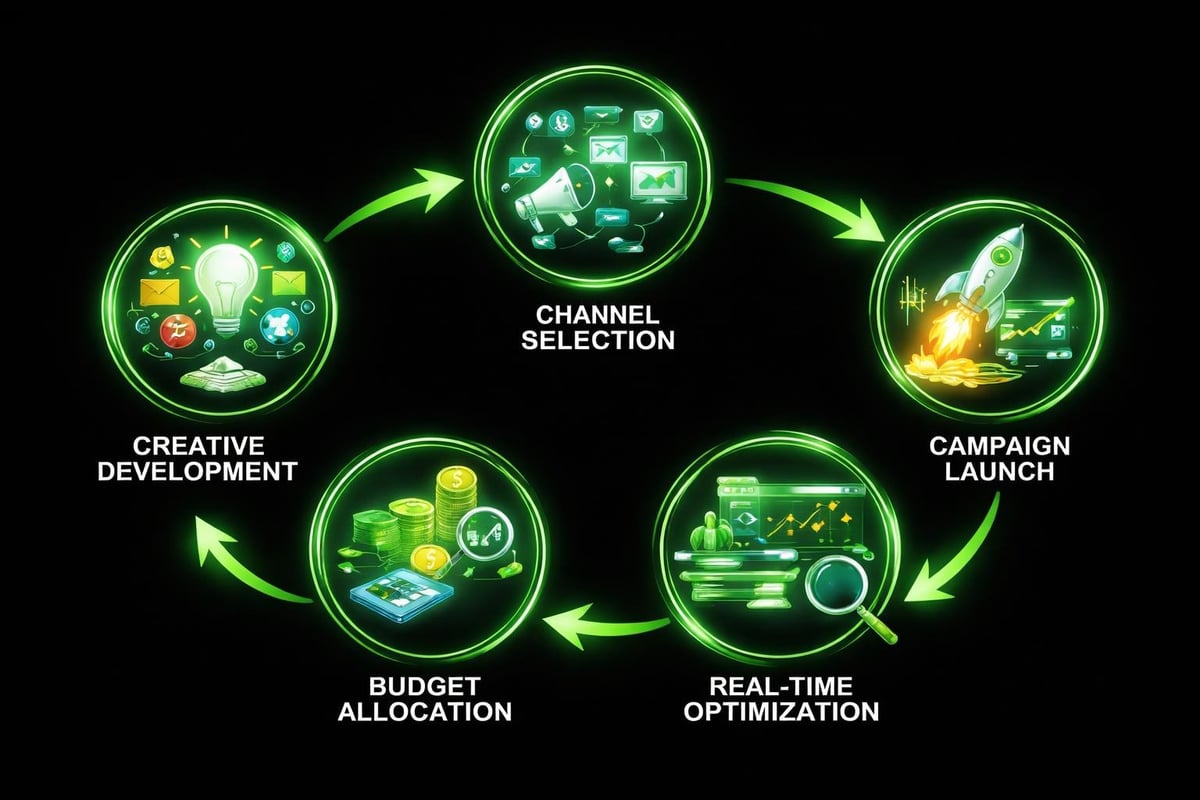
No process of marketing is complete without rigorous measurement and continuous improvement. Advanced tracking capabilities allow event marketers to understand which strategies drive ticket sales and which require adjustment.
Essential Marketing Metrics
Tracking the right metrics transforms data into actionable insights. Focus on indicators that directly correlate with business objectives:
- Conversion rate: Percentage of visitors who purchase tickets
- Customer acquisition cost: Total marketing spend divided by new attendees
- Return on ad spend: Revenue generated per dollar invested
- Lifetime value: Total revenue potential from repeat attendees
The marketing research process provides systematic methods for gathering and analyzing performance data. This ongoing research informs strategic adjustments and helps identify emerging opportunities.
Continuous Improvement Cycle
The most effective marketers treat the process of marketing as cyclical rather than linear. Each campaign generates insights that inform future strategies. Successful event marketing requires analyzing what worked, understanding why certain tactics failed, and implementing improvements based on evidence.
Optimization priorities include:
- A/B testing creative elements and messaging
- Refining audience targeting based on conversion data
- Adjusting budget allocation toward highest-performing channels
- Enhancing user experience based on feedback and behavior
Building Integrated Marketing Plans
A comprehensive marketing plan documents your entire process of marketing from research through execution. This strategic document ensures team alignment and provides a roadmap for achieving objectives.
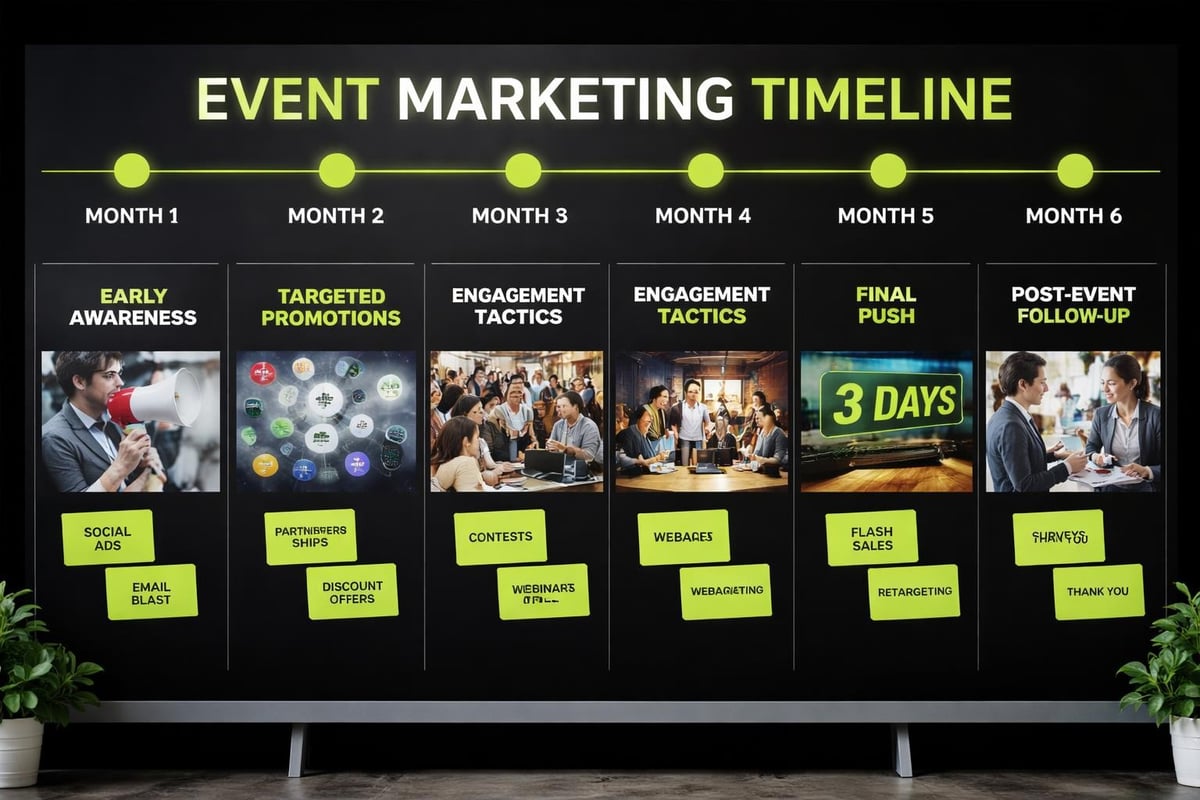
Your plan should outline specific goals, target audiences, positioning strategies, tactical approaches, budgets, and success metrics. For event marketing, timelines become particularly critical as promotional activities must build momentum leading up to the event date.
Channel Integration and Coordination
Modern marketing succeeds through integrated multi-channel approaches. Your social media campaigns should reinforce email messaging, while paid advertising drives traffic to optimized landing pages built with platforms like Unbounce. Each touchpoint contributes to a cohesive narrative that moves prospects toward conversion.
Relationship Building and Retention
The five-step marketing process emphasizes capturing value from customers through lasting relationships. For event marketers, this means thinking beyond single ticket sales to building communities of loyal attendees.
Relationship-building tactics include:
- Post-event engagement and feedback collection
- Exclusive previews for past attendees
- Community platforms that maintain connections year-round
- Personalized communication based on preferences and history
Platforms like HubSpot enable sophisticated relationship management through integrated tools that track interactions, automate follow-ups, and personalize communications at scale.
| Relationship Stage | Marketing Focus | Tools and Tactics |
|---|---|---|
| Awareness | Reach and visibility | Social media, content, PR |
| Consideration | Education and differentiation | Email, webinars, testimonials |
| Purchase | Conversion optimization | Landing pages, retargeting |
| Loyalty | Retention and advocacy | Community, exclusive offers |
Understanding customer lifetime value transforms the process of marketing from transactional to relationship-focused, creating sustainable competitive advantages.
Mastering the process of marketing requires systematic research, strategic planning, coordinated execution, and continuous optimization based on performance data. By following this framework, event organizers can build campaigns that not only sell tickets but create lasting connections with their audiences. Greenslant specializes in helping events navigate this complex process through comprehensive advertising channels, creative production, and advanced tracking solutions that maximize ticket sales, conversion rates, and brand awareness.