In 2026, organizations face a fiercely competitive and data-driven environment where every management campaign must stand out to succeed. With rapid changes in technology and rising expectations, the stakes have never been higher for campaign leaders.
This essential guide is designed to help you master management campaign success. You'll discover the latest trends, step-by-step planning processes, and practical technology integrations that set top performers apart.
Get ready for expert tips, actionable insights, and real-world examples you can use right away. Start implementing these proven strategies to achieve measurable results in your next campaign.
Understanding Management Campaigns in 2026
A management campaign in 2026 is a coordinated effort designed to help organizations reach specific goals through structured planning, execution, and measurement. These campaigns have evolved significantly since 2024, now relying heavily on AI, automation, and seamless integration across multiple channels.
Today, successful management campaigns demand tight alignment between teams, stakeholders, and objectives. Organizations must ensure everyone is working toward the same outcome, using clear communication and standardized processes.
One of the biggest shifts is the reliance on data-driven decision-making. Advanced analytics inform every stage, helping teams track progress and quickly adapt strategies. Omnichannel approaches are now standard, reaching audiences through digital, in-person, and hybrid experiences.
Many industry leaders use robust tools like Airtable and Wrike to streamline workflows and maintain consistency. For example, modern campaigns often blend social media, live events, and personalized email outreach, creating a unified brand experience. To see how AI and automation are transforming campaign execution, check out AI in event marketing.
Ultimately, adaptability, collaboration, and leveraging the latest technology are the keys to success. Organizations that embrace these elements will set their management campaign apart in a crowded, fast-moving landscape.

The 7 Essential Steps to Management Campaign Success
Achieving management campaign success in 2026 requires a systematic, strategic approach. By following these seven essential steps, organizations can ensure each campaign is targeted, efficient, and impactful. Let’s break down each phase for maximum clarity.

1. Setting Clear Goals and KPIs
Start every management campaign by defining clear objectives. Align campaign goals with your broader business strategy, ensuring everyone understands the desired outcome. Use SMART criteria to make goals specific and measurable. Identify KPIs such as conversion rates, engagement, or sales to track progress. For instance, a goal to increase leads by 20 percent through multi-channel efforts ensures focus and measurable results.
2. Audience Identification and Segmentation
Next, research your ideal audience using available data. Segment groups based on demographics, behaviors, and preferences for more precise targeting. Leverage AI and analytics tools to uncover hidden patterns and insights. Personalize your messaging for each segment to increase relevance. Effective segmentation not only attracts new audiences but also boosts management campaign ROI.
3. Strategic Planning and Resource Allocation
Develop a detailed campaign plan, including timelines, budgets, and defined responsibilities. Pool resources to avoid duplication and maximize efficiency. Use project management tools for better transparency and coordination. Leading platforms like Wrike and Airtable recommend standardized workflows for smooth execution. For in-depth guidance, explore this campaign planning and launch strategy resource for actionable steps.
4. Creative Development and Messaging
Work closely with creative teams to deliver consistent and compelling messaging across channels. Ensure all assets align with your brand and adapt to each platform’s requirements. Test different versions using A/B methods to refine what resonates best. Creative quality is essential for management campaign impact and audience connection.
5. Execution Across Multiple Channels
Launch your management campaign across chosen platforms such as social media, email, and live events. Coordinate cross-functional teams for seamless delivery and maintain open communication. Monitor performance in real time, adjusting tactics to stay agile. Integrated campaigns that blend digital and physical touchpoints often drive superior engagement and results.
6. Monitoring, Reporting, and Optimization
Track campaign performance using advanced analytics dashboards. Schedule regular updates for stakeholders to keep everyone informed. Identify bottlenecks early and leverage real-time data to optimize strategies. Continuous monitoring ensures your management campaign stays on course and adapts to changing conditions.
7. Post-Campaign Analysis and Knowledge Sharing
After the campaign, conduct a thorough review to measure results against KPIs. Document lessons learned and share insights with your team to drive continuous improvement. Utilize feedback loops and post-campaign templates for structured reporting. Platforms like Airtable and Wrike highlight the value of standardized debriefs for future success.
The Role of Technology and Automation in 2026 Campaigns
In 2026, technology is shaping the way every management campaign is planned and executed. Modern teams depend on a growing ecosystem of tools, from AI-driven analytics to advanced automation platforms, to keep pace with complexity and demand.

The backbone of any management campaign in 2026 is a set of integrated tools. These include AI-powered analytics, CRM systems, and automation platforms that streamline repetitive tasks. According to Wrike, automation alone can save up to 10 hours each week per user. Teams use customizable dashboards and real-time reporting to monitor progress and spot opportunities instantly.
| Feature | Benefit |
|---|---|
| AI-driven analytics | Deeper insights, better targeting |
| Automation | Time savings, fewer manual errors |
| CRM integration | Enhanced collaboration |
| Real-time dashboards | Immediate performance tracking |
AI agents are becoming essential for workflow automation and smarter audience targeting. The latest AI marketing automation trends show how these innovations are reshaping campaign management, making processes faster and more adaptive.
Security, scalability, and user-friendly interfaces are now non-negotiable for any management campaign platform. As technology continues to evolve, it stands out as the ultimate competitive advantage for successful campaigns in 2026.
Best Practices and Common Pitfalls in Management Campaigns
Achieving success with a management campaign requires more than just good ideas. It demands disciplined habits, strong teamwork, and a commitment to learning from every project.

Best Practices
- Foster open collaboration between all teams from the start.
- Standardize processes to prevent confusion and eliminate bottlenecks.
- Prioritize clear, regular communication so everyone stays aligned.
- Use data at every stage of the management campaign for smarter decisions.
- Assign tasks with clear ownership and accountability.
Consistent creative messaging is also vital. For tips on optimizing campaign assets and landing pages, see these landing page campaigns best practices.
Common Pitfalls
- Kicking off a management campaign without clear goals or measurable metrics.
- Ignoring real-time feedback and failing to adjust strategies.
- Overlooking the importance of post-campaign reviews and documentation.
- Allowing inconsistent creative elements to weaken your message.
Learning from Experience
Inefficient processes can quickly derail a management campaign, leading to missed deadlines and wasted resources. Teams that skip regular updates or fail to learn from past results often repeat the same mistakes.
Continuous improvement and sharing lessons learned are essential for long-term management campaign success. Always build in time for review, feedback, and process refinement after every campaign.
Real-World Example: Event Marketing Campaigns for Maximum Impact
Event marketing in 2026 showcases how a well-executed management campaign can deliver extraordinary results. As organizations compete for attention, event-focused teams are blending digital, in-person, and hybrid experiences to maximize impact.
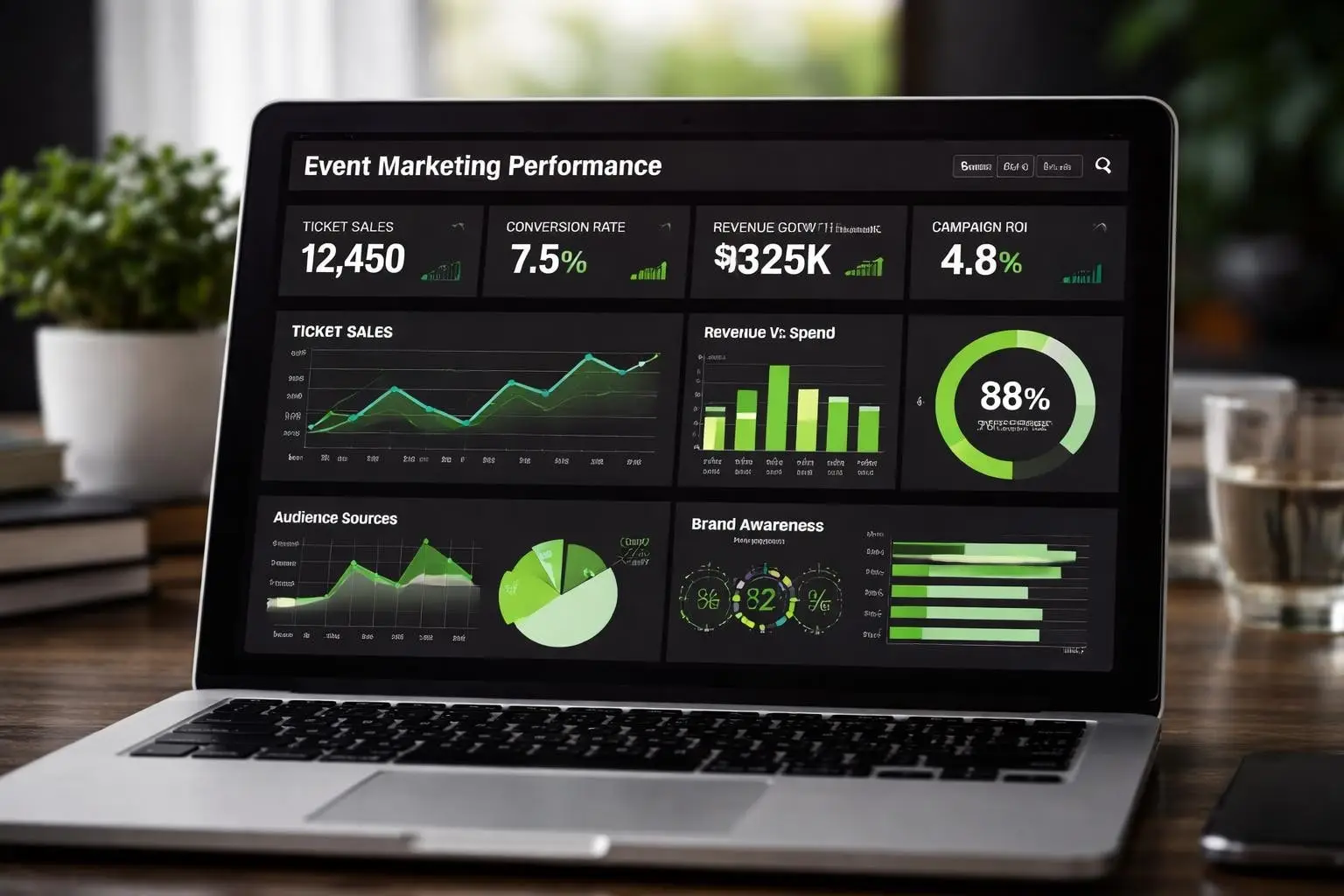
Successful campaigns use multi-channel promotions, targeted messaging, and advanced tracking to reach the right audiences. Tools like daily sales dashboards and transparent reporting keep teams aligned and accountable. For a deeper look at effective strategies, explore these event marketing campaign strategies.
Creative production and landing page optimization play a crucial role. High-converting assets and seamless registration processes drive engagement from the first touchpoint to ticket purchase.
The results speak for themselves. Industry leaders report selling over 530,000 tickets and processing $97 million in transactions by leveraging end-to-end management campaign practices. These specialized approaches prove that continuous optimization and integrated planning are key to achieving maximum event impact.
Templates, Tools, and Resources for Campaign Management in 2026
Choosing the right resources is essential for any successful management campaign. The landscape now offers a wide variety of templates for campaign planning, tracking, and reporting, helping teams stay organized from start to finish.
Customizable workflows and checklists make it simple to adapt processes for any management campaign, whether your team is large or small. Essential tools include project management platforms, analytics dashboards, and creative asset managers. Competitors like Airtable and Wrike offer robust campaign templates designed for transparency and efficiency.
When selecting tools, consider your team size, campaign complexity, and integration needs. Look for features like real-time collaboration, automation, and customizable dashboards. Staying up-to-date with the latest AI marketing tools 2026 can give your management campaign a competitive edge.
To keep skills sharp, take advantage of webinars, industry guides, and resource libraries. Continuous learning ensures your team is ready for the evolving demands of campaign management.
Now that you’ve seen how powerful a well-managed campaign can be—from setting clear goals to harnessing the latest technology—why not take the next step for your own event or business? Whether you want to boost ticket sales, increase brand awareness, or just streamline your entire process, you don’t have to figure it out alone. I’m here to help you turn these insights into real results with strategies tailored to your needs. If you’re ready to talk specifics and see how Greenslant’s solutions can work for you, Let’s Talk