The world of event marketing management is transforming at a pace few could have predicted. New technologies, shifting attendee expectations, and increased competition mean the rules are changing in 2026.
To reach ambitious organizational goals, mastering event marketing management is more important than ever. Organizations must adapt quickly and embrace innovative strategies to stand out.
This guide gives you proven strategies and best practices to excel in event marketing management for 2026. You will learn how to use integrated platforms, boost attendee engagement, optimize hybrid events, leverage data-driven decision-making, and stay ahead of future trends.
Ready to overcome new challenges? Discover actionable insights and see how the right approach can help you achieve better results and lasting success.
Understanding the 2026 Event Marketing Landscape
The world of event marketing management is undergoing a dramatic transformation as we move into 2026. Digital-first strategies, hybrid event formats, and fierce competition are now the norm, pushing organizations to rethink how they approach event success.
Recent years have seen explosive growth in virtual and hybrid events. Attendees expect seamless, personalized experiences—whether participating in person or online. Technology now plays a central role, connecting in-person, virtual, and hybrid audiences through unified platforms. According to Event Marketing Statistics 2026, the demand for integrated event marketing management solutions has never been higher, with more organizers prioritizing automation, real-time updates, and data-driven decision-making.
Changing attendee behaviors are also shaping the landscape. People want engaging content, effortless registration, and interactive opportunities. Measuring ROI and using analytics to guide planning have become vital parts of event marketing management. For example, leading conferences are now combining mobile apps, live polling, and post-event analytics to deliver memorable experiences while tracking every touchpoint. Those adapting quickly are setting new standards for what successful events look like in 2026.
Building a Winning Event Marketing Strategy
A successful event marketing management approach starts with a clear, actionable strategy. To stand out in 2026, organizers must align their efforts with business goals, leverage data for personalization, and select the right platforms to drive results.
Setting Clear Objectives and KPIs
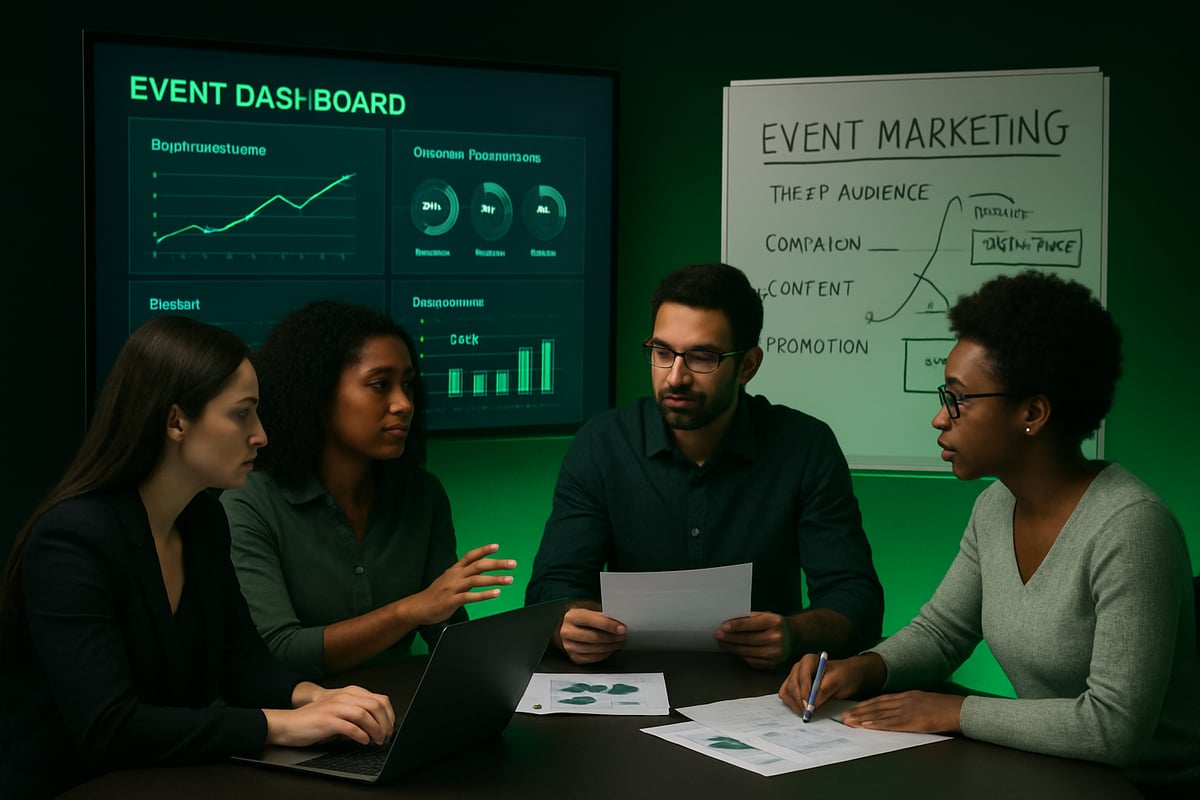
Every effective event marketing management plan begins with defining your objectives. Are you aiming to boost ticket sales, raise brand awareness, or generate leads? Select measurable KPIs for each goal, such as registration numbers, engagement rates, or post-event conversions. Use insights from past events to set realistic targets. For instance, a tech conference might seek a 30% increase in qualified leads over last year.
Audience Segmentation and Personalization
Segmenting your audience by interests, demographics, and behaviors helps tailor your outreach. Personalize event messaging for each segment to boost engagement and satisfaction. AI-driven tools can automate recommendations and communications, making personalization scalable. According to AI in Event Marketing, leveraging artificial intelligence can increase open rates and attendee participation, making your event marketing management more effective.
- Use data to refine audience segments.
- Customize emails and content for each group.
- Monitor engagement and adjust strategies.
Choosing the Right Event Formats and Channels
Selecting the ideal format is crucial for maximizing reach. Consider in-person, virtual, or hybrid options based on your audience and objectives. Promote your event across social media, email, digital ads, and partnerships. Integrating management platforms streamlines promotion, registration, and performance tracking. This holistic approach ensures your event marketing management stays efficient and responsive to attendee needs.
Leveraging Technology for Seamless Event Management
Event marketing management is evolving rapidly as technology becomes the backbone of successful events. Today’s organizers rely on unified platforms to handle everything from planning and promotion to execution, ensuring a seamless experience for both teams and attendees.
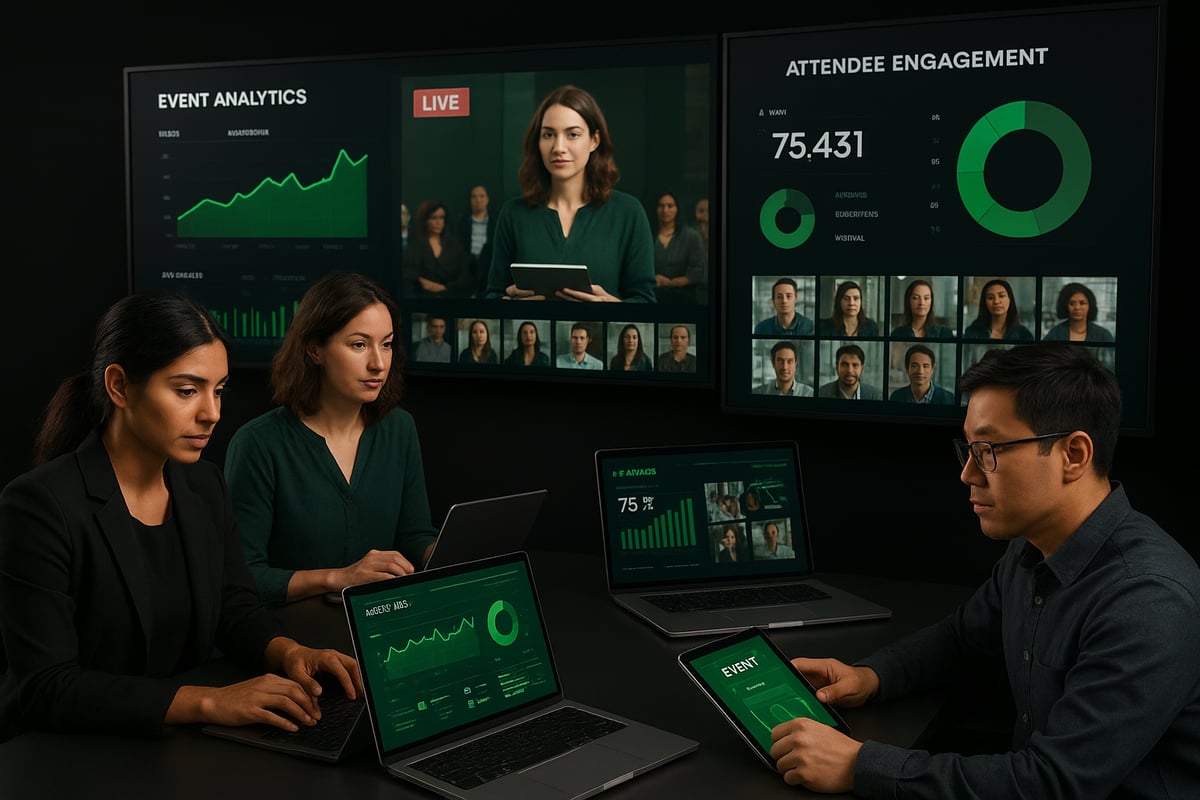
All-in-one event management platforms streamline tasks like registration, communication, and attendee engagement. Features such as mobile event apps, digital check-in, and branded event websites provide a cohesive journey. Automation tools ensure that invitations, reminders, and updates reach the right people at the right time, reducing manual work and minimizing errors.
Integration with CRM and marketing automation tools is crucial for holistic data management. This connectivity enables real-time updates, tracks attendee behavior, and supports personalized experiences. Platforms that offer robust analytics often see higher conversion rates and improved engagement.
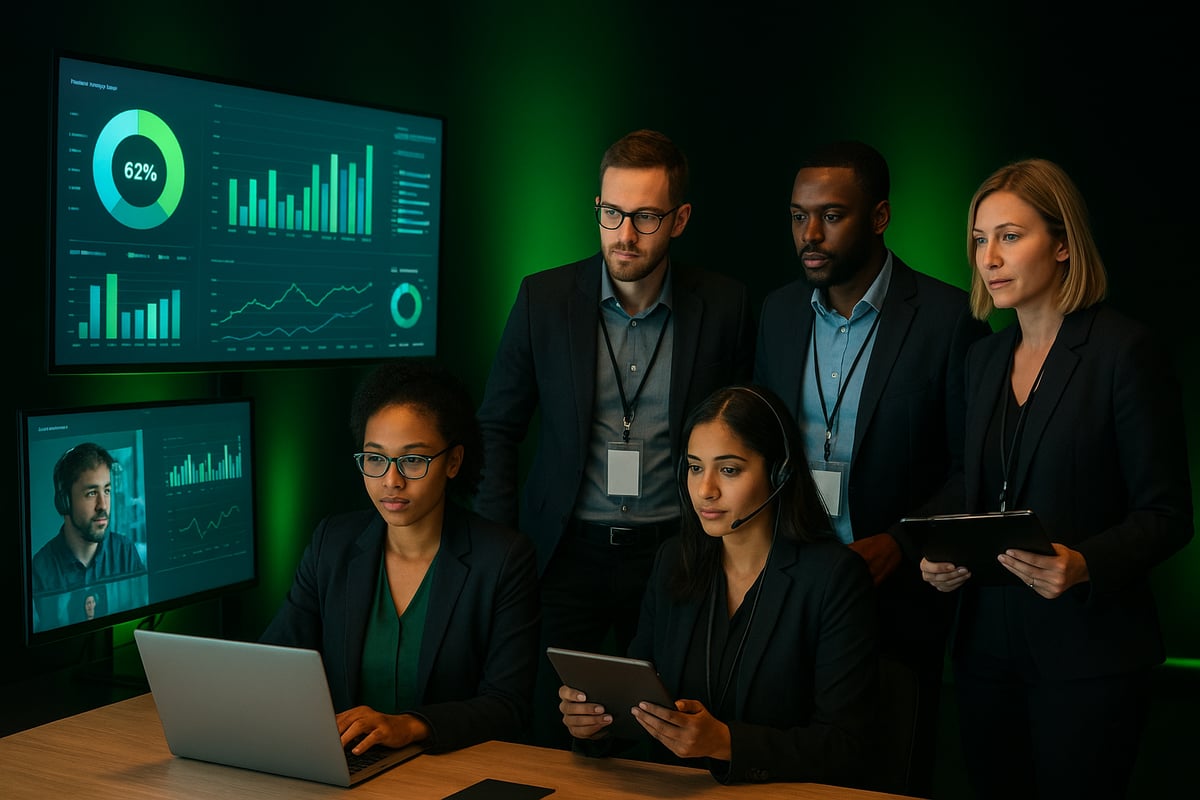
For example, a large-scale conference using automation improved check-in speed and attendee satisfaction, while real-time dashboards allowed organizers to adapt instantly. To dive deeper into optimizing hybrid and virtual experiences, explore these Virtual Events Best Practices, which detail how technology powers modern event marketing management.
Maximizing Attendee Engagement and Experience
Maximizing attendee engagement and experience is a core priority for event marketing management in 2026. With evolving participant expectations, organizers must deliver value before, during, and after every event.
Pre-Event Engagement Strategies
Successful event marketing management begins well before the event itself. Send personalized invitations and targeted content to segmented audiences. Use interactive teasers, early-bird incentives, and exclusive previews to boost registrations. Collaborate with influencers and amplify reach through social media campaigns. For more foundational strategies, explore The What, Where, Why of Event Marketing.
Onsite and Virtual Engagement Tactics
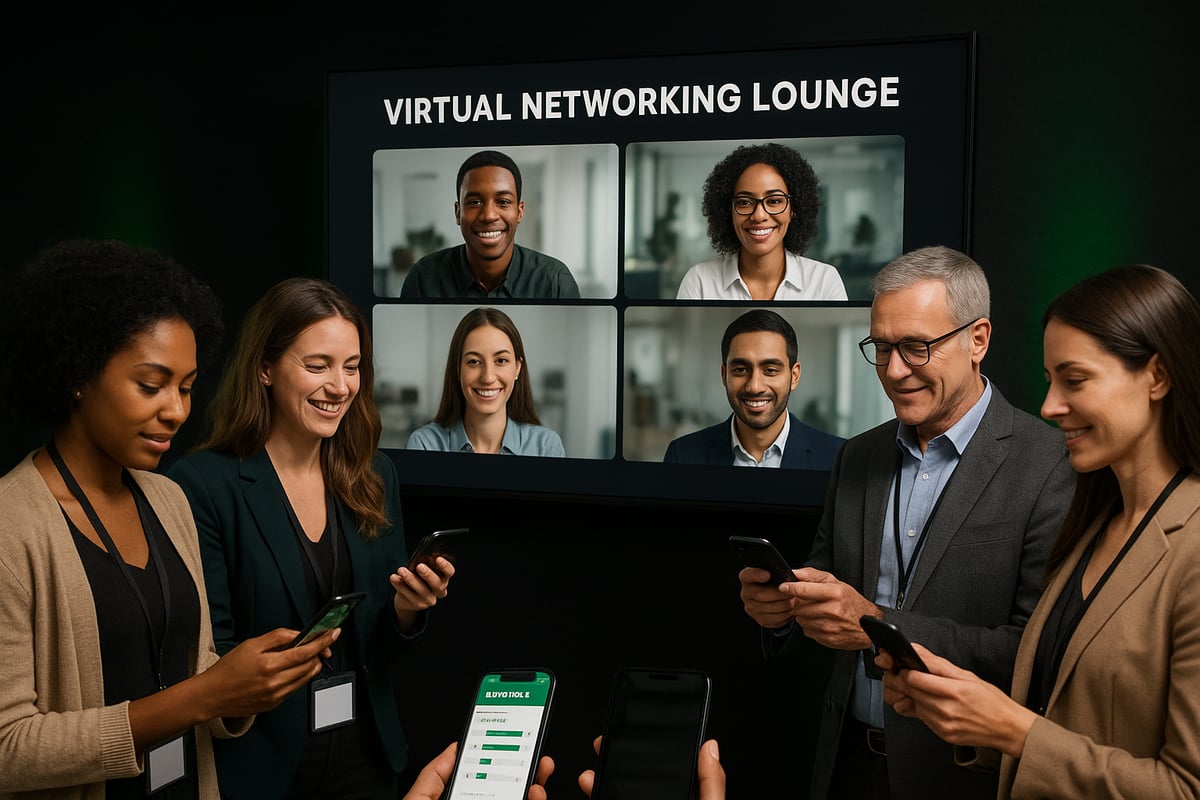
Keep attendees engaged with mobile event apps, real-time polls, and Q&A sessions. Gamification can drive participation and excitement. For in-person events, prioritize smooth check-in and intuitive navigation. Virtual attendees benefit from networking lounges and breakout sessions, creating a dynamic hybrid experience.
Post-Event Follow-Up and Community Building
Effective event marketing management continues after the event ends. Send personalized thank-you messages and feedback surveys to gather insights. Share highlights, session recordings, and exclusive content to nurture engagement. Build ongoing communities with forums, newsletters, and social groups, keeping connections strong between events.
Data-Driven Optimization and ROI Measurement
In today’s fast-moving landscape, data is the backbone of effective event marketing management. Gathering insights from every stage of the attendee journey, from registration to post-event feedback, empowers organizers to make smarter decisions and boost results.
Data Collection and Attendee Insights
Successful event marketing management starts with collecting comprehensive data. Use registration forms, mobile app engagement, live polls, and post-event surveys to gather valuable attendee information.
Here are key metrics to track:
| Metric | Purpose |
|---|---|
| Registration Numbers | Measure interest and reach |
| Engagement Rates | Track session participation |
| Feedback Scores | Assess attendee satisfaction |
| Conversion Rates | Evaluate post-event actions |
Measuring ROI and Continuous Improvement
Measuring ROI is crucial for justifying event marketing management investments. Use reporting dashboards to showcase metrics like attendee growth, engagement, and conversion rates. Compare your results to industry benchmarks for context—many leading events aim for engagement rates above 60 percent.
For example, analyzing attendee insights can help increase post-event sales by up to 20 percent. Continuously optimize strategies by acting on survey data and behavioral patterns. For more data-backed strategies, explore Event Marketing Category Insights and discover Event Marketing Trends for 2026 that are shaping the future of event marketing management.
Future Trends in Event Marketing Management
The future of event marketing management is being shaped by rapid technological advancements and evolving attendee expectations. As we look to 2026, organizers must stay ahead by embracing new trends that will define success in this dynamic landscape.
One major shift is the rise of AI-powered personalization and automation. These tools are transforming how marketers deliver tailored experiences, streamline operations, and boost efficiency. For example, AI-driven insights allow organizers to create highly targeted campaigns and optimize engagement at every stage of the attendee journey. To learn more about how artificial intelligence is impacting the field, explore these AI in Event Marketing statistics and projections.
Emerging technologies are also making a big impact. Augmented reality (AR) and virtual reality (VR) offer immersive event experiences, while smart badges and advanced networking tools enable deeper connections among participants. At the same time, sustainability and accessibility are moving to the forefront of planning. Attendees increasingly expect eco-friendly practices and inclusive design.
Data privacy and security have become top priorities, with stricter regulations and greater transparency required. Another significant trend is the shift toward year-round event communities, where brands engage audiences beyond the main event date.
Industry forecasts indicate continued investment in event technology and innovation. For a comprehensive look at the latest data-backed trends, check out Event Industry Trends 2026.
By staying informed and adaptable, event marketing management professionals can leverage these trends to create memorable, results-driven experiences for years to come.
As you look ahead to 2026, there’s so much opportunity to take your event marketing strategy to the next level—whether you’re aiming for higher ticket sales, stronger engagement, or seamless hybrid experiences. We’ve explored how integrated platforms, creative personalization, and data-driven insights can drive real results. If you’re ready to put these strategies into action and want expert support that’s proven to boost conversions and revenue, I’d love to hear about your upcoming goals. Let’s chat about how we can help you achieve success—just Let’s Talk.