In 2026, brands face a digital world where connecting with audiences is both more critical and more challenging than ever. The landscape is filled with new platforms, shifting behaviors, and fierce competition for attention.
This essential guide unpacks advertising reach in 2026, helping marketers and event organizers navigate the latest strategies, metrics, and technologies.
You’ll discover what advertising reach truly means today, why it matters for your brand, how to measure it across channels, and the innovative tactics driving results.
Ready to maximize your campaign’s impact? Dive in for expert insights and actionable steps to master advertising reach this year.
What is Advertising Reach in 2026?
Advertising reach in 2026 refers to the total number of unique individuals who see an ad or campaign at least once, no matter where or how they encounter it. Unlike impressions, which count every single ad display, advertising reach focuses on distinct viewers, making it a key metric for understanding true audience exposure.
The concept of advertising reach has evolved significantly. What started with traditional media like TV, radio, and print has now expanded to digital, mobile, and cross-platform environments. Today, marketers must consider not only websites and social media but also streaming platforms, connected TV, and even smart devices. This shift has led to new industry definitions and measurement standards that reflect the complexity of modern campaigns.
In 2026, the integration of over-the-top (OTT) services, connected TV (CTV), and multi-device tracking sets the standard for capturing advertising reach. These advancements allow brands to follow their audience across multiple screens, ensuring no exposure is missed. For example, a streaming TV ad campaign might reach a family watching together in the living room, while a social media blitz targets individuals scrolling on their phones.
There are several types of advertising reach to consider:
- Paid reach: Achieved through purchased placements.
- Organic reach: Earned via unpaid channels like shares or search.
- Incremental reach: Additional audience gained by adding new platforms.
- Cross-channel reach: Unique viewers across multiple advertising channels.
Measurement tools like Nielsen ratings and advanced digital analytics help marketers track and optimize advertising reach. To explore how different platforms contribute to reach, see this Advertising channels overview.
Why Advertising Reach Matters for Campaign Success
Understanding advertising reach is crucial for any campaign that aims to build strong brand awareness and drive meaningful conversions. When your message is seen by more unique individuals, you open the door to higher website traffic, increased sales, and lasting customer loyalty.
The power of advertising reach lies in its ability to reveal the true size of your potential market. By accurately measuring reach, marketers can set realistic goals and adjust strategies to avoid wasted spend. High reach campaigns often outperform others in ROI and engagement, especially when combined with smart frequency management to prevent audience fatigue.
Balancing advertising reach with frequency is essential. If the same people see your ad too often, you risk campaign saturation and diminishing returns. Data shows that campaigns optimizing both reach and frequency experience better results, including increased incremental reach from channels like OTT and improved conversion rates through frequency capping.
For example, brands expanding into new markets have leveraged omnichannel strategies to maximize advertising reach and connect with previously untapped audiences. In event marketing, product launches, and seasonal promotions, broad reach ensures your message lands with the right people at the right time. To explore more on effectively connecting with your audience, check out reaching your target audience for actionable strategies.
Ultimately, advertising reach is the foundation of campaign success. It enables you to measure, grow, and refine your approach for every audience and objective.
Key Metrics and Methods for Measuring Reach in 2026
Understanding how to measure advertising reach in 2026 is essential for campaign success. Marketers need reliable metrics to know who sees their ads and how often. Let us break down the main methods.
Traditional Metrics: GRP, Nielsen Ratings, and Their Evolution
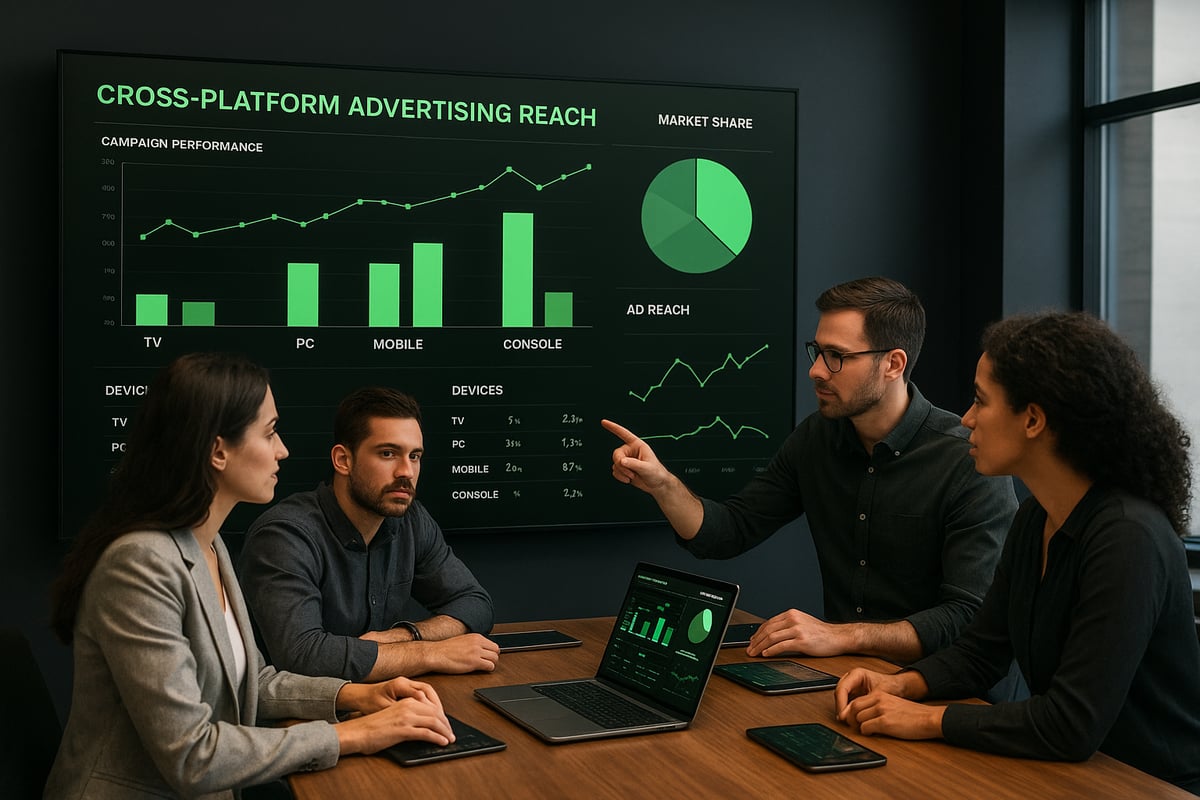
Historically, advertising reach was tracked using Gross Rating Points (GRP) and Nielsen ratings. GRP measures the percentage of your target audience reached, multiplied by the average frequency of ad exposure. For instance, a TV ad with 120 GRPs means 30 percent of the audience saw the ad four times.
Nielsen ratings estimate audience size and provide demographic details. However, these traditional tools struggle to capture today’s cross-device viewing habits. As media consumption fragments, marketers seek more sophisticated ways to measure advertising reach.
Digital & Cross-Platform Measurement
Digital campaigns rely on unique reach, frequency distribution, and advanced analytics. Marketers now track how many individuals see ads across social, web, mobile, and streaming platforms. Cross-device tracking helps identify users engaging on multiple screens, ensuring accurate advertising reach measurement.
Digital extensions like views, shares, and likes add new dimensions to reach. For deeper insights into cross-media effectiveness, many brands turn to next steps for halo and cross-media measurement in 2026, which highlight unified frameworks for analyzing reach across platforms.
Advanced Analytics: Incremental Reach, Conversion Lift, and MMM
Incremental reach measures the new audience gained by adding channels, such as connected TV or OTT, to linear campaigns. Conversion lift studies compare outcomes between exposed and control groups, revealing the true impact of exposure.
Marketing mix modeling (MMM) attributes sales and engagement to each channel’s reach. By applying these analytics, brands can see how each touchpoint contributes to campaign success and optimize their investments.
Strategies to Maximize Advertising Reach in 2026
To thrive in 2026, marketers need to be more strategic than ever. Maximizing advertising reach requires a blend of data-driven tactics, creative thinking, and seamless execution across multiple channels. Let’s break down the most effective strategies to boost your campaign’s exposure and impact.
Audience Segmentation and Personalization
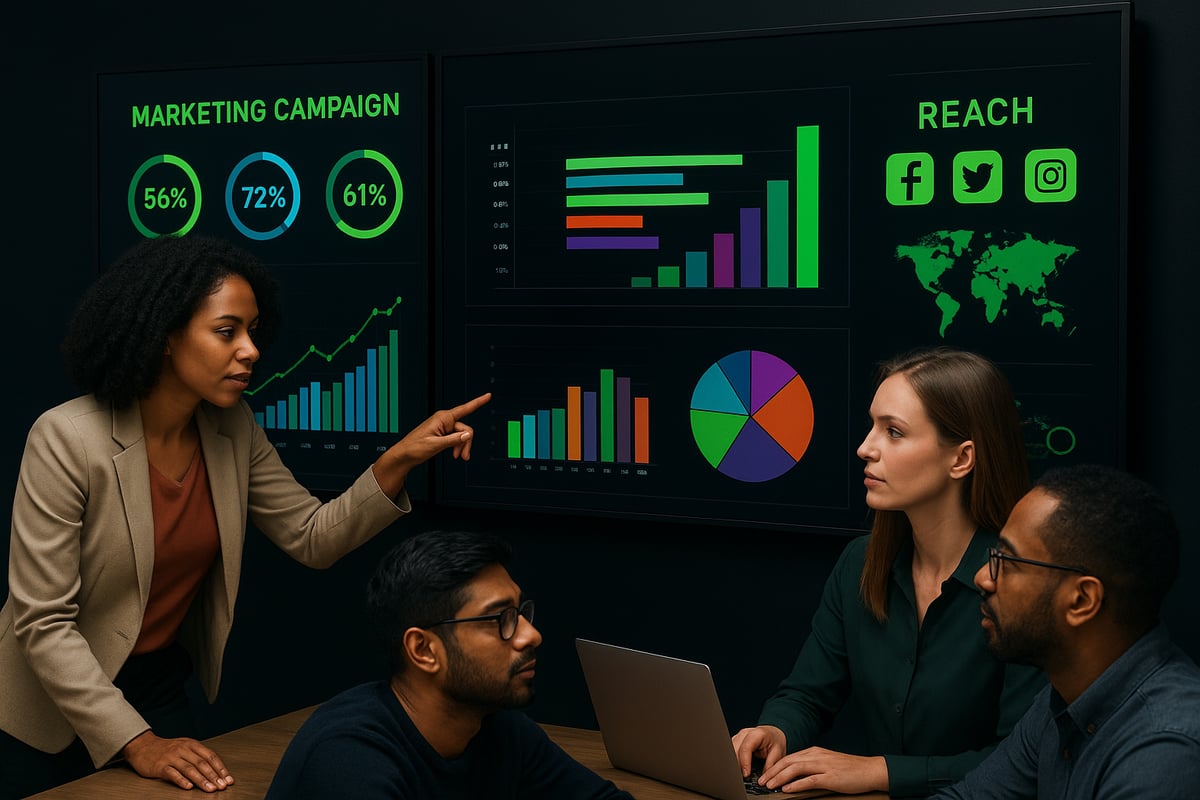
Start by dividing your audience into key segments based on demographics, behaviors, and interests. This approach ensures your advertising reach extends to the right people with messages that truly resonate.
Personalization is crucial. Tailor creatives and offers for each segment. For example, Gen Z might respond better to interactive video ads on social media, while Millennials engage more with personalized email campaigns.
Omnichannel and Cross-Device Campaigns
Integrate your advertising efforts across TV, connected TV, social, display, and out-of-home channels. Use cross-platform tools to track users as they move between devices, ensuring a unified experience and avoiding duplicate exposures.
Explore Multimedia advertising strategies to coordinate messaging and maximize unique reach. For instance, a campaign that syncs streaming ads with social and event placements can dramatically expand your audience.
Frequency Management and Audience Fatigue Prevention
Monitor how often your ads are shown to each user. Frequency capping helps prevent oversaturation and audience fatigue, which can diminish advertising reach and hurt brand perception.
Track frequency distribution metrics to find the optimal balance. Adjust your campaign in real time to maintain effectiveness and keep your audience engaged.
Creative Optimization for Higher Engagement
Test and refine your ad creatives for every channel and audience segment. Use dynamic creative optimization to automatically select the best-performing versions.
Interactive formats, such as quizzes or polls, tend to drive higher engagement and shares. This increases both the depth and breadth of your advertising reach, helping your campaign stand out in a crowded landscape.
Real-World Examples and Case Studies
Successful campaigns in 2026 prove that advertising reach grows when brands embrace true omnichannel approaches. For example, a leading beverage brand combined connected TV ads with digital out-of-home placements, capturing audiences at home and on the go. By leveraging advanced measurement tools, they tracked unique viewers across streaming, social, and outdoor screens.
| Channel | Unique Reach | Engagement Rate |
|---|---|---|
| Connected TV | 1.1M | 5.2% |
| Digital Out-of-Home (DOOH) | 800K | 3.9% |
| Social Media | 2M | 6.5% |
| Influencer | 650K | 7.1% |
This cross-channel approach resulted in a 22% higher brand lift compared to single-channel efforts. Lessons learned included the importance of consistent creative and frequency management to prevent overexposure. The campaign’s advertising reach was maximized by analyzing incremental lift from each channel and adjusting spend in real time.
In the event space, a major conference used digital, social, and influencer campaigns to sell out over 530,000 tickets, generating $97M in transactions. With daily tracking and multi-channel reporting, organizers could optimize their advertising reach for each audience segment. Those seeking similar results can explore event marketing solutions to expand reach and drive measurable growth.
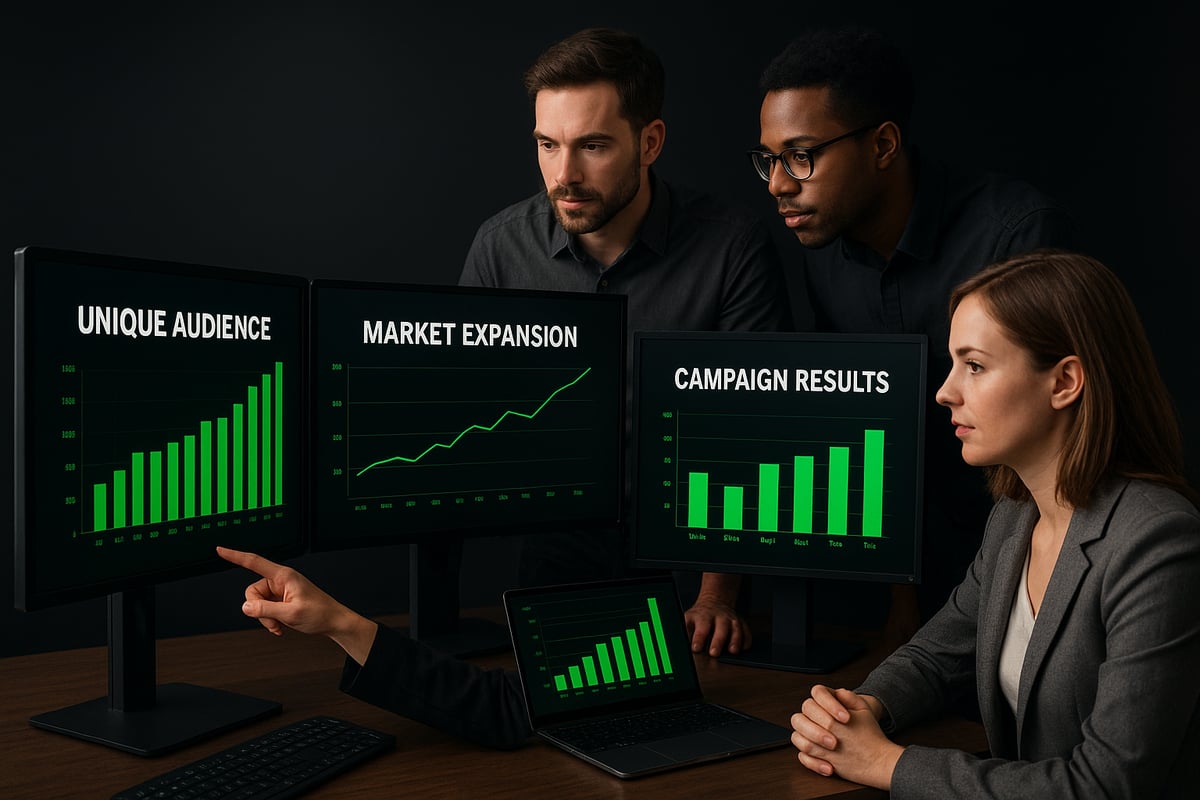
By visualizing reach data and making adjustments based on real-time insights, marketers stay ahead of the curve and continually improve campaign effectiveness.
The Future of Advertising Reach: Trends and Innovations
As we look ahead, advertising reach is rapidly evolving, driven by new tech and shifting consumer habits. In 2026, AI-powered targeting and dynamic creative optimization are at the forefront, enabling brands to personalize campaigns like never before. Marketers can now adjust content in real time, ensuring each audience segment gets the most relevant message.
Privacy regulations are also reshaping advertising reach strategies. With the decline of third-party cookies, marketers are adopting new measurement tools that respect user privacy while maintaining accuracy. Expect more reliance on first-party data, contextual targeting, and privacy-safe analytics.
Emerging platforms are expanding the definition of advertising reach. Shoppable video, voice search, and augmented reality ads are becoming standard, creating fresh opportunities for engagement. According to 5 Top Marketing Trends for 2026, live commerce and creator-driven content are major forces, further diversifying where and how brands connect with audiences.
Integrating offline and online metrics is key for a holistic view of advertising reach. Marketers are blending digital analytics with in-store and real-world data to capture the full spectrum of audience exposure. Industry studies, like the IAB 2026 Outlook Study Forecasts 9.5% Growth in U.S. Ad Spend, highlight the surge in investment across digital and traditional channels, reflecting this integrated approach.
| Trend | Description |
|---|---|
| AI-driven Targeting | Personalized, real-time campaign adjustments |
| Privacy-safe Measurement | Cookieless tracking and first-party data |
| New Platforms | Shoppable video, AR, voice search |
| Cross-platform Analytics | Unified view across digital and offline |
To stay ahead, marketers should continually test new channels and tools, embrace real-time analytics, and adapt strategies as trends shift. The future of advertising reach is dynamic, data-driven, and full of opportunity.
Now that you’ve seen how advertising reach is evolving in 2026 and picked up actionable strategies for maximizing your campaign’s impact, you might be thinking about how to put these ideas into practice for your own events or brand. Whether you’re curious about integrating multiple channels, tracking real results, or just want some expert advice on where to start, I’m here to help you make sense of it all. Ready to explore how you can boost ticket sales, conversions, and brand awareness with cutting edge solutions?
Let’s Talk