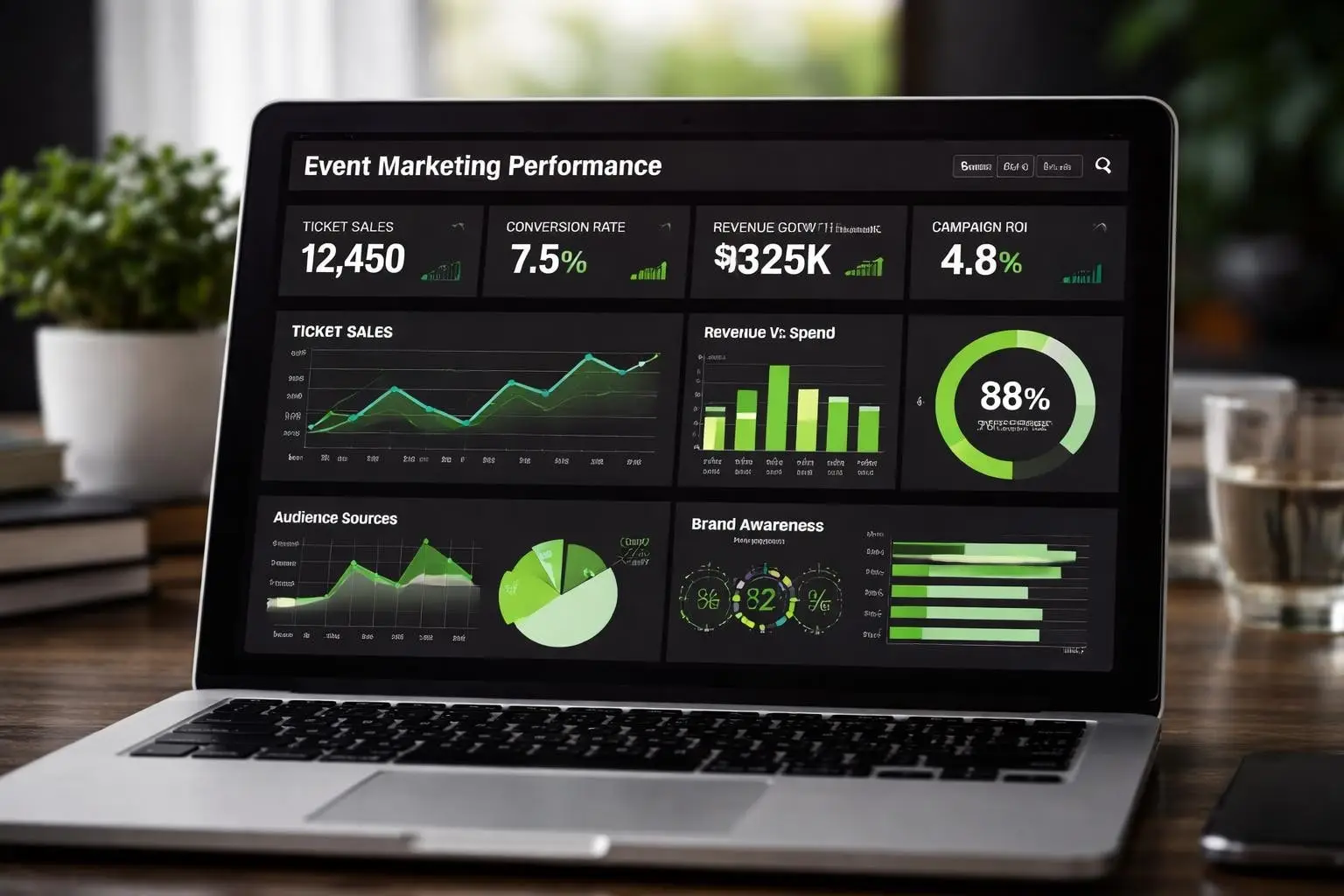

The landscape of event marketing has transformed dramatically over the past decade, with digital platforms for advertising becoming the primary channel for reaching potential attendees. Event organizers who once relied heavily on traditional media now allocate the majority of their budgets to online channels, where precise targeting and measurable results drive better ticket sales and higher conversion rates. Understanding which platforms deliver the best return on investment is crucial for maximizing event success in 2026.
Understanding the Core Digital Advertising Ecosystem
Digital platforms for advertising encompass a wide range of channels, each offering unique advantages for event promotion. The ecosystem includes social media networks, search engines, programmatic ad exchanges, and specialized demand-side platforms that automate ad purchasing.
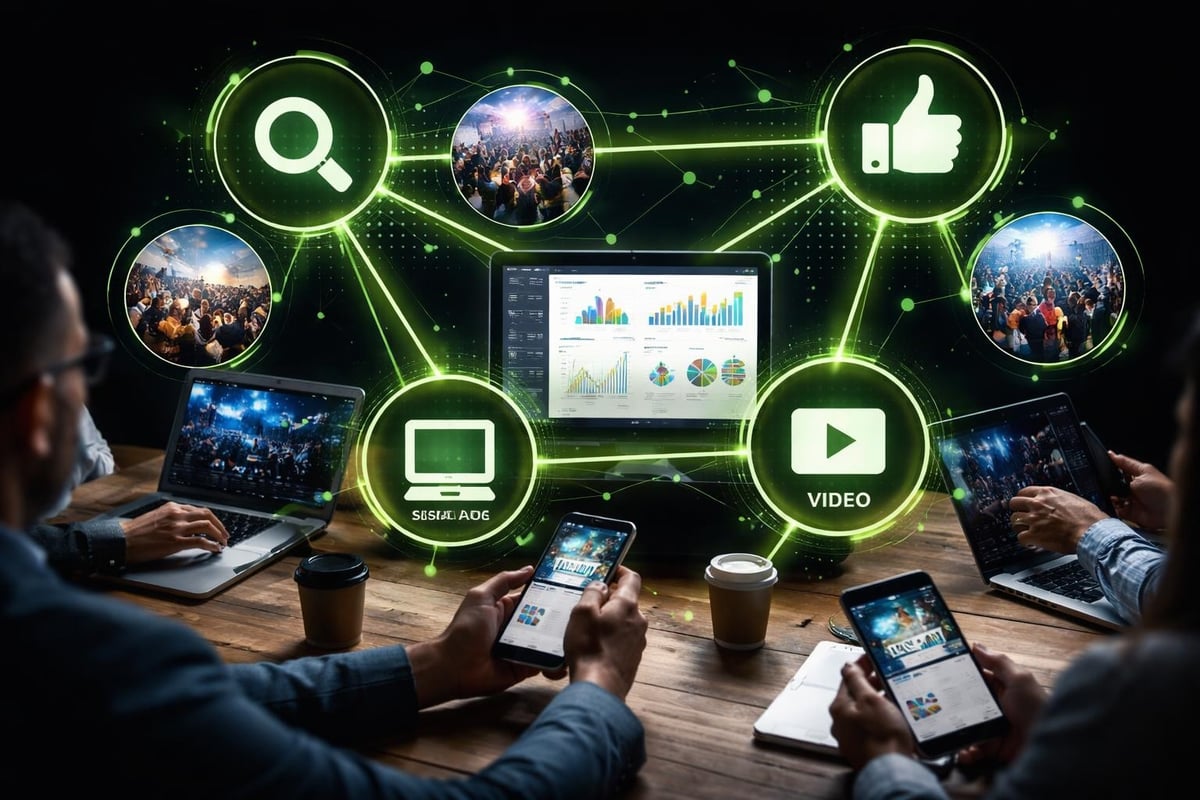
The foundation of modern digital advertising rests on three pillars:
- Audience targeting capabilities that identify potential attendees based on interests, behaviors, and demographics
- Real-time optimization that adjusts campaigns based on performance metrics
- Cross-platform tracking that measures the customer journey from first impression to ticket purchase
Search engine advertising remains one of the most effective digital platforms for advertising because it captures high-intent users actively looking for events. When someone searches for "music festival tickets near me" or "business conference 2026," they're demonstrating purchase intent that converts at significantly higher rates than passive browsing.
Social Media Platforms as Primary Channels
Social media networks have evolved into sophisticated advertising platforms that excel at building awareness and driving ticket sales. Facebook and Instagram offer unparalleled reach for event marketers, with targeting options that can identify users based on their event attendance history, entertainment preferences, and friend connections.
LinkedIn has emerged as the dominant platform for professional events and conferences. The platform's targeting capabilities allow event organizers to reach decision-makers by job title, industry, company size, and professional interests, making it invaluable for B2B event promotion.
| Platform | Best Event Types | Key Advantage | Average CPC Range |
|---|---|---|---|
| Facebook/Instagram | Consumer events, festivals | Broad reach, visual storytelling | $0.50 – $3.00 |
| Professional conferences | B2B targeting precision | $2.00 – $6.00 | |
| TikTok | Youth-focused events | Viral potential, engagement | $1.00 – $2.50 |
| Twitter/X | News, cultural events | Real-time conversation | $0.50 – $2.00 |
Current trends in digital advertising show that video content consistently outperforms static images across all platforms, with short-form video driving the highest engagement rates for event promotion.
Programmatic Advertising and Automation
Programmatic advertising represents a sophisticated approach to buying digital ad inventory through automated systems. These platforms use real-time bidding to purchase ad impressions in milliseconds, ensuring event ads reach the right audiences at optimal prices.
Demand-side platforms streamline the process of buying ads across multiple exchanges and publishers. Understanding how demand-side platforms work helps event marketers access premium inventory while maintaining budget control and performance targets.
The advantages of programmatic advertising for events include:
- Access to extensive publisher networks beyond individual platform limitations
- Advanced retargeting capabilities that follow potential attendees across the web
- Dynamic creative optimization that tests multiple ad variations automatically
- Transparent reporting that tracks every impression and click
For event marketers, programmatic platforms excel at building awareness during the early stages of a campaign, then shifting to conversion-focused strategies as the event date approaches. This flexibility allows for sophisticated funnel strategies that nurture interest into ticket purchases.
Search Engine Marketing Strategies
Google Ads and Microsoft Advertising remain essential digital platforms for advertising because they capture users with explicit intent. When event organizers bid on relevant keywords, they position themselves precisely when potential attendees are actively searching for similar experiences.
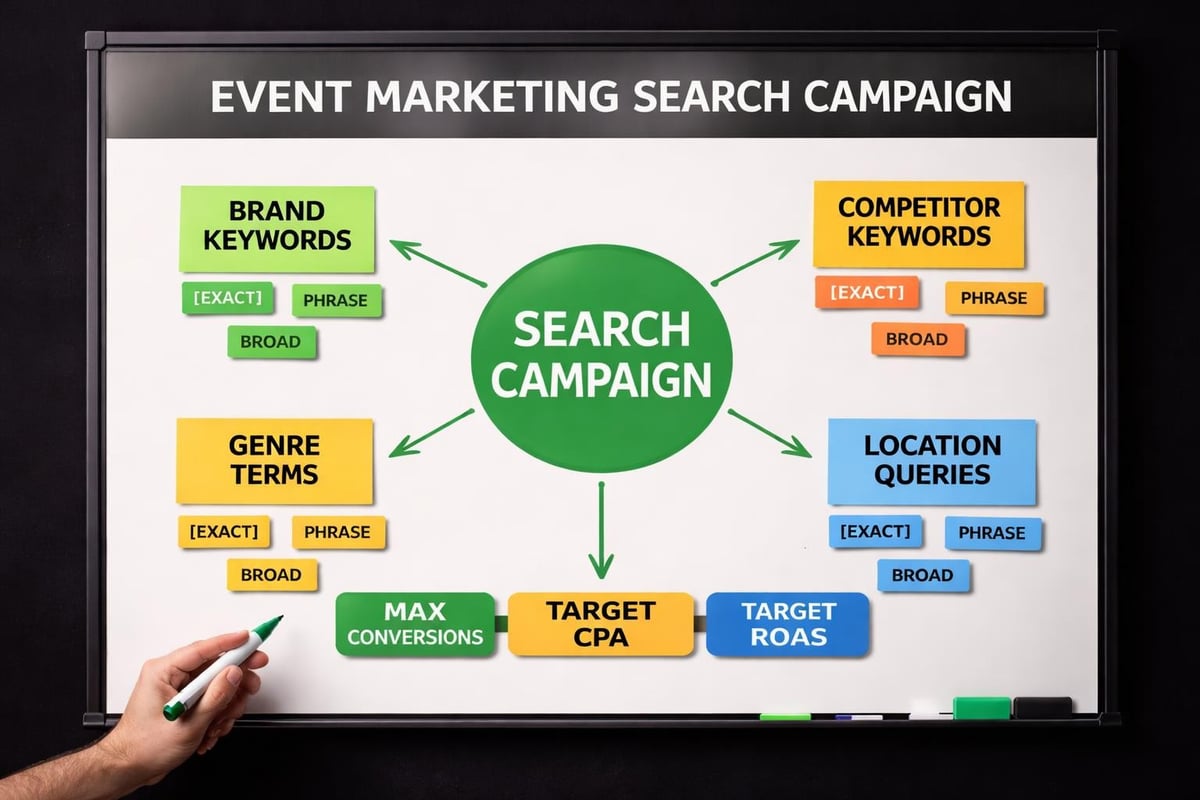
Search campaigns for events should include:
- Brand terms protecting your event name from competitors
- Genre keywords targeting broader event categories
- Competitor terms capturing overflow interest
- Location-based queries reaching local audiences
Smart event marketers combine search advertising with display remarketing, creating a comprehensive approach that captures initial interest and reinforces the message across multiple touchpoints. This integrated strategy typically delivers 30-50% higher conversion rates than single-channel approaches.
Measuring Performance Across Platforms
The true value of digital platforms for advertising lies in their measurability. Unlike traditional media, every impression, click, and conversion can be tracked, providing event organizers with actionable insights to optimize their campaigns.
Key performance indicators vary by campaign objective:
| Campaign Goal | Primary Metrics | Secondary Metrics |
|---|---|---|
| Awareness | Impressions, Reach, CPM | Video views, Engagement rate |
| Consideration | Click-through rate, Landing page views | Time on site, Pages per session |
| Conversion | Ticket sales, Cost per acquisition | Cart abandonment, Return on ad spend |
Advanced tracking implementations allow event marketers to attribute ticket sales to specific ads, keywords, and audience segments. This granular data powers optimization decisions that improve campaign performance throughout the promotional period.
Greenslant’s marketing solutions emphasize comprehensive tracking across all advertising channels, ensuring event organizers understand exactly which investments drive ticket sales and which require adjustment.
Platform Selection for Different Event Types
Not all digital platforms for advertising perform equally across different event categories. Music festivals achieve exceptional results on Instagram and TikTok, where visual content and influencer partnerships drive viral awareness. Professional conferences generate better returns through LinkedIn and industry-specific publications.
The selection process should consider:
- Audience demographics matching platform user bases to your target attendees
- Content format strengths aligning your creative assets with platform capabilities
- Budget efficiency identifying where your ad spend delivers the highest return
- Competition levels avoiding oversaturated platforms where costs exceed value
Successful event campaigns in 2026 typically leverage 3-5 platforms simultaneously, creating a diversified approach that reduces dependence on any single channel while maximizing total reach and conversion opportunities.
Emerging Platforms and Technologies
The digital advertising landscape continues to evolve with new platforms and capabilities emerging regularly. Connected TV advertising has become increasingly accessible for event marketers, offering premium video placement at competitive costs. Audio platforms like Spotify and podcast networks provide targeted reach to engaged audiences during commutes and workouts.
Artificial intelligence is transforming campaign management across all digital platforms for advertising. Machine learning algorithms now handle bid optimization, audience expansion, and creative testing with minimal manual intervention, allowing event marketers to focus on strategy rather than tactical adjustments.
Privacy regulations and cookie deprecation are reshaping how platforms track and target users. First-party data collection through event websites and email lists has become increasingly valuable, as platforms shift toward privacy-compliant targeting methods that respect user preferences while maintaining advertising effectiveness.
Event organizers working with Greenslant’s advertising solutions benefit from expertise across traditional and emerging platforms, ensuring campaigns adapt to technological changes while maintaining consistent performance.
Budget Allocation and Testing Strategies
Effective use of digital platforms for advertising requires strategic budget allocation based on historical performance and campaign objectives. Most event marketers follow a 60-30-10 rule: allocating 60% to proven platforms, 30% to secondary channels, and 10% to testing new opportunities.
Testing should be systematic and data-driven:
- Establish clear hypotheses for each test (platform, audience, creative, or bidding strategy)
- Set minimum spend thresholds that generate statistically significant results
- Define success metrics before launching tests
- Document findings and integrate successful tests into core strategy
- Continuously reallocate budget toward highest-performing channels
The event marketing calendar influences platform performance significantly. Awareness campaigns launched 8-12 weeks before an event typically achieve lower costs per impression, while conversion-focused campaigns in the final 2-4 weeks see higher costs but better qualified traffic. Adjusting platform mix and bidding strategies throughout this timeline optimizes overall campaign efficiency.
Mastering digital platforms for advertising requires understanding each channel's unique strengths while maintaining a cohesive, multi-platform strategy that guides potential attendees from awareness to ticket purchase. When event organizers need comprehensive advertising solutions that maximize ticket sales and ROI, Greenslant delivers the expertise, creative production, and advanced tracking required to achieve measurable success across all digital channels.