
The relationship between content and advertising has fundamentally transformed how events connect with potential attendees. In 2026, event organizers face an increasingly complex landscape where compelling content creation must seamlessly integrate with sophisticated advertising strategies to drive ticket sales and boost revenue. Understanding how these two elements work together is no longer optional for successful event marketing.
The Strategic Foundation of Content and Advertising
Building a successful event marketing campaign requires recognizing that content and advertising serve complementary roles. Content establishes credibility and engages your target audience, while advertising amplifies that message across multiple channels to maximize reach. The global entertainment and media industry revenue is projected to hit $3.5 trillion by 2029, with advertising serving as the primary growth driver.
Event marketers must develop content that serves both organic discovery and paid promotion simultaneously. This dual-purpose approach ensures consistency across all touchpoints while optimizing budget allocation. High-quality content reduces advertising costs by improving relevance scores and engagement metrics across platforms.
Creating Content That Converts
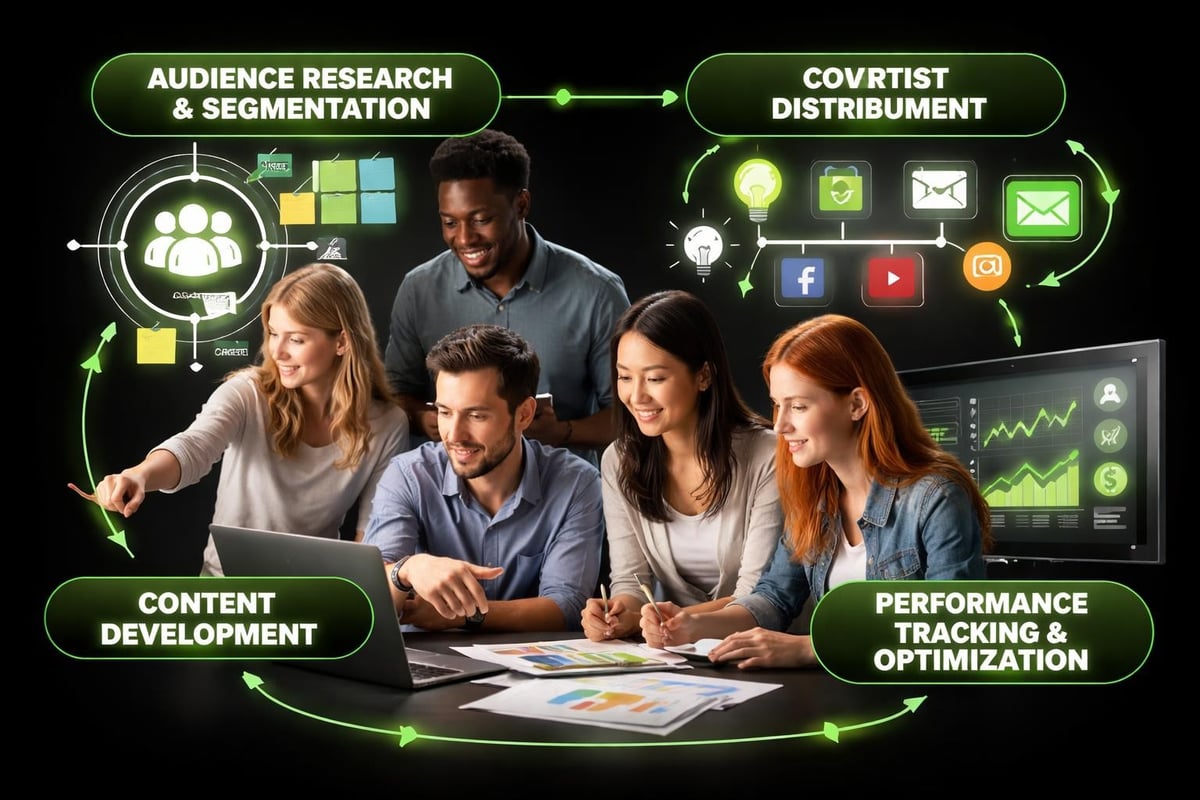
The most effective event marketing content addresses specific audience pain points while highlighting unique event experiences. Video content, testimonials from previous attendees, speaker highlights, and behind-the-scenes previews all serve distinct purposes in the conversion funnel. Each content piece should include clear calls-to-action that guide potential attendees toward ticket purchase decisions.
Content development should follow this priority framework:
- Awareness-stage content: Blog posts, social media teasers, industry trend articles
- Consideration-stage content: Speaker interviews, agenda reveals, venue tours
- Decision-stage content: Early-bird promotions, testimonials, FAQ videos
- Post-purchase content: Event preparation guides, networking opportunities, mobile app tutorials
The content marketing market is expected to reach $1956.4 billion by 2032, reflecting the growing investment in quality content creation across industries.
Advertising Channels for Maximum Event Impact
Selecting the right advertising channels determines whether your event content reaches qualified prospects or disappears into digital noise. Event marketers should evaluate channels based on audience demographics, engagement patterns, and conversion capabilities. Platform diversification reduces risk while capturing attention at multiple decision-making moments.
| Channel Type | Best Use Case | Key Advantage | Tracking Capability |
|---|---|---|---|
| Social Media Ads | Awareness & engagement | Visual storytelling | Detailed audience insights |
| Search Advertising | High-intent prospects | Purchase-ready traffic | Direct conversion tracking |
| Display Advertising | Retargeting campaigns | Brand recall | Multi-touch attribution |
| Video Platforms | Immersive experiences | Emotional connection | View-through conversions |
| Email Marketing | Nurture sequences | Personalization | Segment performance |
Display advertising best practices emphasize incorporating video content and avoiding overly narrow audience targeting, which applies directly to event promotion strategies.
Contextual Advertising for Events
The global contextual advertising market is projected to reach $335.1 billion by 2026, driven by privacy regulations and cookie deprecation. For event marketers, contextual targeting means placing ads on websites, podcasts, and platforms where relevant conversations already occur.
Rather than relying solely on user behavior tracking, contextual advertising matches event promotions with relevant content environments. A technology conference promotes on tech news sites, while a wellness retreat advertises on health and lifestyle platforms. This approach maintains effectiveness while respecting privacy concerns that increasingly matter to modern audiences.
Measuring Content and Advertising Performance
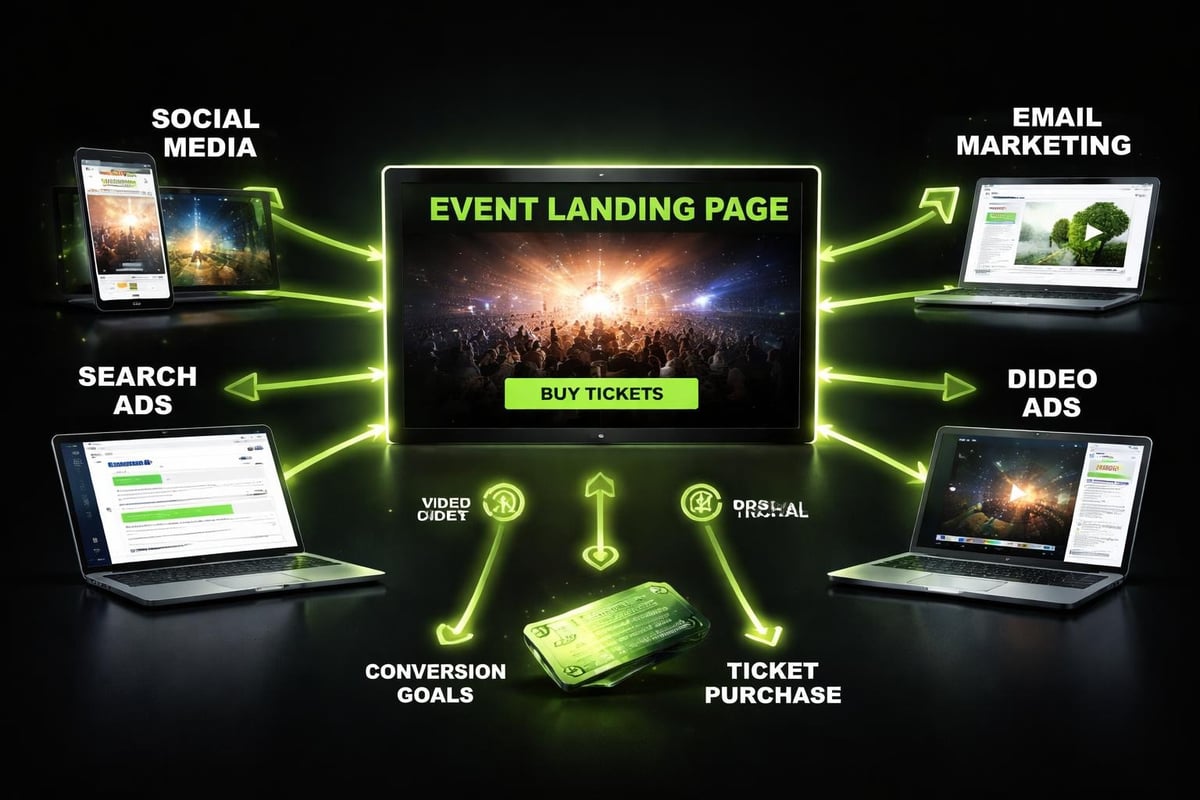
Tracking the relationship between content engagement and advertising performance reveals optimization opportunities that improve return on investment. Event marketers should implement comprehensive attribution models that connect first-touch awareness through final ticket purchase. Advanced tracking tools from platforms like StackAdapt and HubSpot provide the data infrastructure needed for informed decision-making.
Essential metrics for content and advertising integration:
- Content engagement rate before ad exposure
- Click-through rates by content type
- Cost per ticket sold by advertising channel
- Time from first content interaction to purchase
- Multi-touch attribution across campaigns
- Lifetime value of attendees by acquisition source
The IAB reports that U.S. ad spending in the creator economy has more than doubled since 2021, demonstrating the value of authentic content creation in advertising strategies.
Accessibility and Inclusive Advertising Practices
Inclusive content and advertising practices expand reach while demonstrating commitment to diverse audiences. Research shows that only 10% of TV advertisements use accessibility features like closed captions or audio descriptions, representing a significant missed opportunity for event marketers.
Implementing accessibility features across all content and advertising materials serves both ethical and business purposes:
- Captions and transcripts for all video content increase engagement by 40% across all audiences
- Alt text for images improves SEO while serving visually impaired prospects
- Screen reader compatibility ensures landing pages convert all traffic equally
- Color contrast standards enhance readability for all viewers
- Plain language reduces barriers for non-native speakers and cognitive accessibility

Optimizing Budget Allocation
Successful event marketing requires strategic budget distribution between content creation and advertising spend. Most event organizers should allocate 60-70% toward advertising amplification and 30-40% toward content development, though this varies based on existing content libraries and in-house creative capabilities. Testing different allocation ratios through controlled campaigns reveals the optimal mix for specific event types and audience segments.
Consider platforms like Unbounce for creating high-converting landing pages that maximize advertising investments. The connection between landing page quality and advertising performance directly impacts cost per acquisition metrics.
Integration Strategies That Drive Results
The most successful event marketing campaigns treat content and advertising as interconnected elements of a unified strategy rather than separate initiatives. Cross-functional collaboration between content creators and advertising specialists ensures message consistency while maximizing budget efficiency. Regular strategy sessions should review performance data, audience feedback, and competitive landscape changes to maintain market relevance.
Mastering the relationship between content and advertising creates compound advantages that drive ticket sales, increase brand awareness, and improve event profitability. When you're ready to implement comprehensive event marketing solutions that integrate creative production with advanced advertising channels, Greenslant provides the tools and expertise to maximize your event's success through data-driven strategies and proven conversion optimization.