Understanding how to strategically allocate ad spends has become crucial for event marketers navigating an increasingly complex advertising landscape. With global advertising expenditures projected to reach unprecedented levels, event organizers must make informed decisions about where every dollar goes. The stakes are higher than ever, as competition for audience attention intensifies across digital and traditional channels. This comprehensive guide explores the current state of advertising investments, emerging trends reshaping the industry, and practical strategies for optimizing your event marketing budget allocation.
The Current State of Global Ad Spends
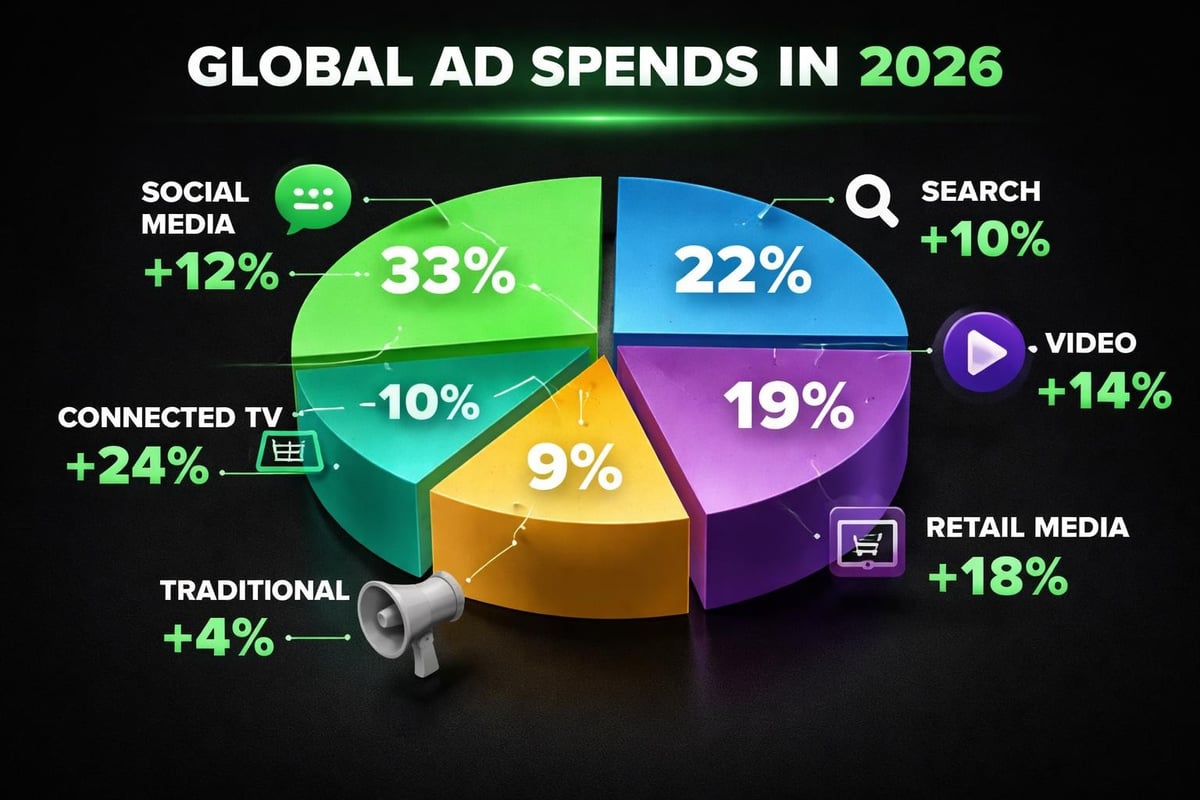
The advertising industry is experiencing remarkable growth. According to WARC’s Global Ad Spend Outlook, global ad spend is forecast to rise 10.5% to $1.07 trillion in 2026, with social media overtaking search as the largest single advertising channel. This shift represents a fundamental change in how audiences consume content and interact with brands.
For event marketers, these trends signal important opportunities. The total global ad revenue grew 8.8% in 2025 to reach $1.14 trillion, demonstrating robust advertiser confidence across industries. Event promotion strategies must adapt to capture attention in this expanding marketplace.
Digital channels continue dominating ad spends. U.S. digital advertising spending surpassed $300 billion for the first time in 2024, reaching $309.3 billion with a 15.1% year-over-year increase. This massive investment reflects where audiences spend their time and where conversion opportunities exist.
Strategic Channel Selection for Event Marketing
Choosing the right advertising channels determines campaign success. Social media platforms have emerged as powerhouse destinations for event promotions, with global social media ad spend reaching $247.3 billion in 2024, growing 14.3% year-over-year. These platforms offer precise targeting capabilities essential for reaching potential attendees.
Video Advertising Dominance
Video content drives engagement like no other format. Video advertising topped $100 billion in the U.S. market, becoming the lead growth engine for digital advertising. Event marketers should prioritize video creative across platforms to showcase venue atmospheres, speaker highlights, and attendee testimonials that drive ticket conversions.
Key video advertising benefits:
- Higher engagement rates compared to static content
- Stronger emotional connections with potential attendees
- Better storytelling capabilities for event experiences
- Superior performance on mobile devices
Connected TV presents unique opportunities. 68% of top U.S. brands increased their TV ad impressions in the first half of 2025, with connected TV viewership surging 46% in Q2. This growth creates premium inventory for event campaigns targeting specific demographics.
Emerging Creator Economy Opportunities
The creator economy represents massive untapped potential for event marketing. The Interactive Advertising Bureau reports that U.S. ad spending in the creator economy reached $29.5 billion in 2024 and is projected to hit $37 billion in 2025, outpacing the overall media industry by about four times.
Partnering with relevant creators offers authentic connections with niche audiences. Event organizers can leverage influencer relationships to build credibility, generate buzz, and drive ticket sales through trusted voices within target communities.
Budget Allocation Framework
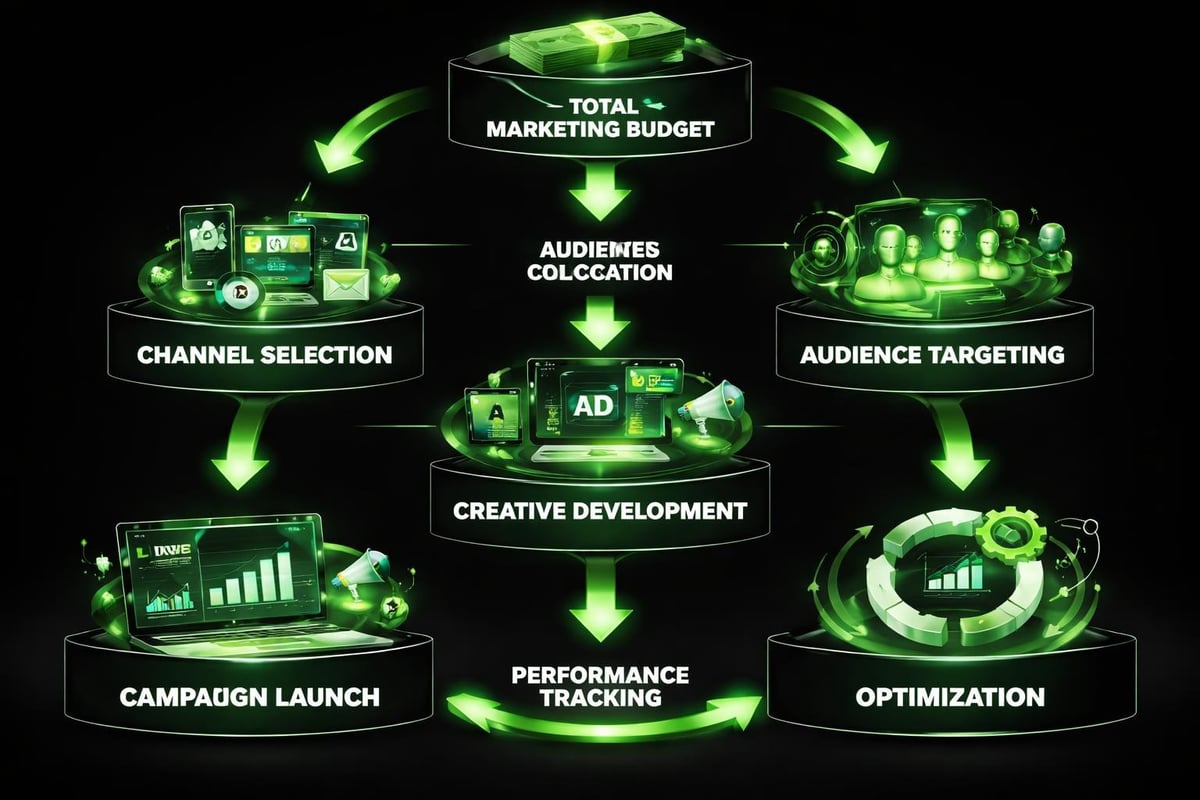
Smart ad spends require disciplined budget planning. Event marketers should develop frameworks that balance proven channels with experimental opportunities for discovery and growth.
| Channel Category | Recommended Allocation | Primary Objective |
|---|---|---|
| Social Media | 30-40% | Awareness & Engagement |
| Search Marketing | 20-25% | Intent Capture |
| Video/CTV | 15-20% | Storytelling & Brand |
| Display/Programmatic | 10-15% | Retargeting & Reach |
| Creator Partnerships | 10-15% | Trust & Authenticity |
This framework provides starting guidelines. Individual events should adjust allocations based on audience demographics, event type, ticket pricing, and historical performance data.
Algorithmic Advertising Optimization
Automation transforms how ad spends perform. Dentsu forecasts that algorithmically enabled ad spend will reach 79.0% of total ad spend by 2027. This shift means marketers must understand machine learning platforms and provide quality data for optimization.
Event marketers should embrace algorithmic bidding strategies while maintaining strategic oversight. Automated systems excel at real-time optimization but require clear objectives, conversion tracking, and creative variety to maximize performance.
Performance Tracking and Attribution
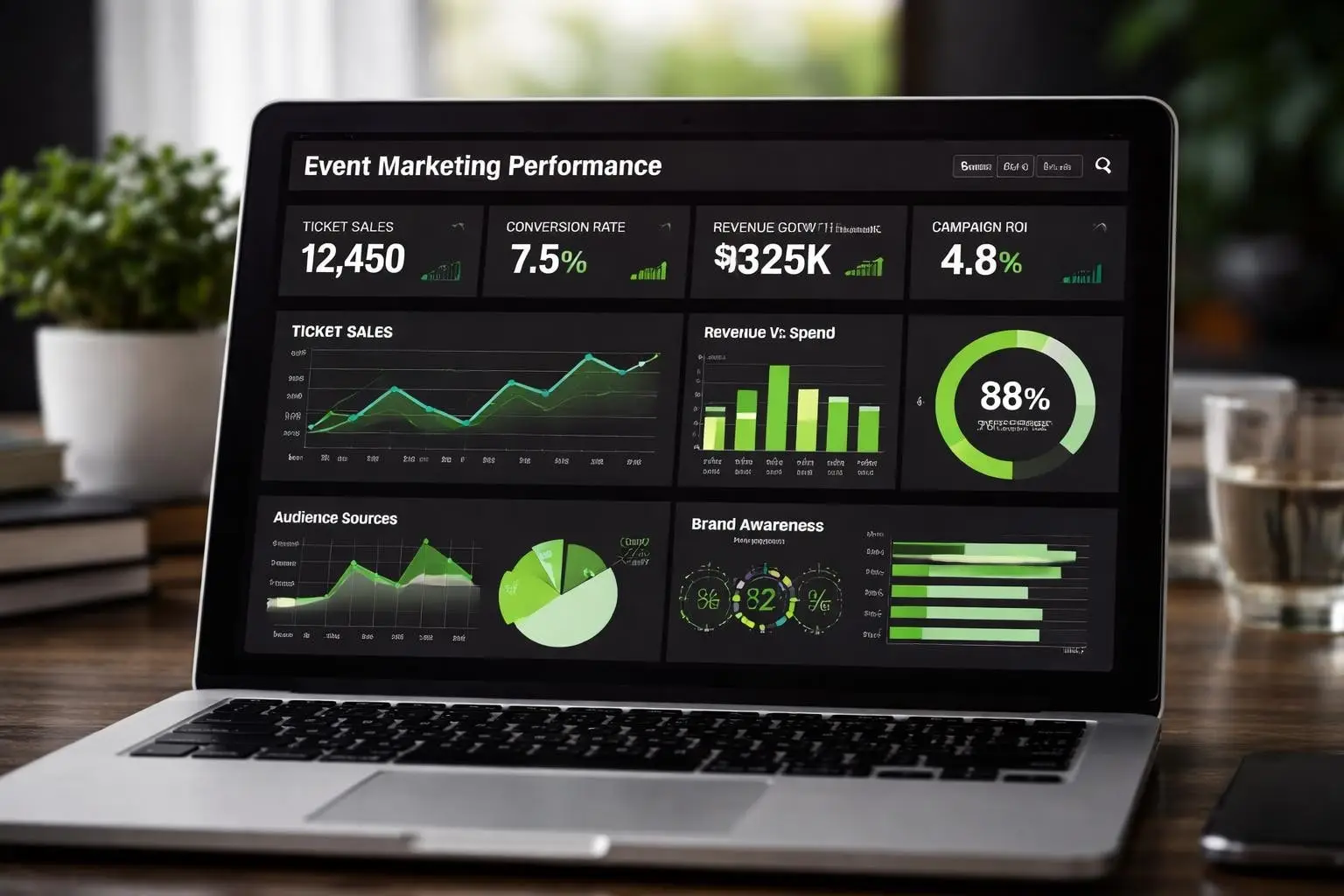
Measuring ad spends effectiveness separates successful campaigns from wasteful ones. Advanced tracking solutions enable event marketers to understand which channels, messages, and audiences drive actual ticket purchases versus vanity metrics.
Essential tracking capabilities:
- Multi-touch attribution across customer journeys
- Conversion tracking from impression to purchase
- Channel-specific ROI calculations
- Audience segment performance analysis
- Creative variant testing and optimization
Analytics tools provide visibility into campaign performance, enabling data-driven decisions about budget reallocation. Event organizers should implement comprehensive tracking before launching campaigns to capture complete attribution data.
The rise of retail media networks introduces new measurement opportunities. Retail media is projected to overtake global TV ad revenues in 2025, reaching $176.9 billion and representing 15.9% of global total ad spend. These platforms offer closed-loop attribution linking ad exposure directly to purchase behavior.
Testing and Optimization Strategies
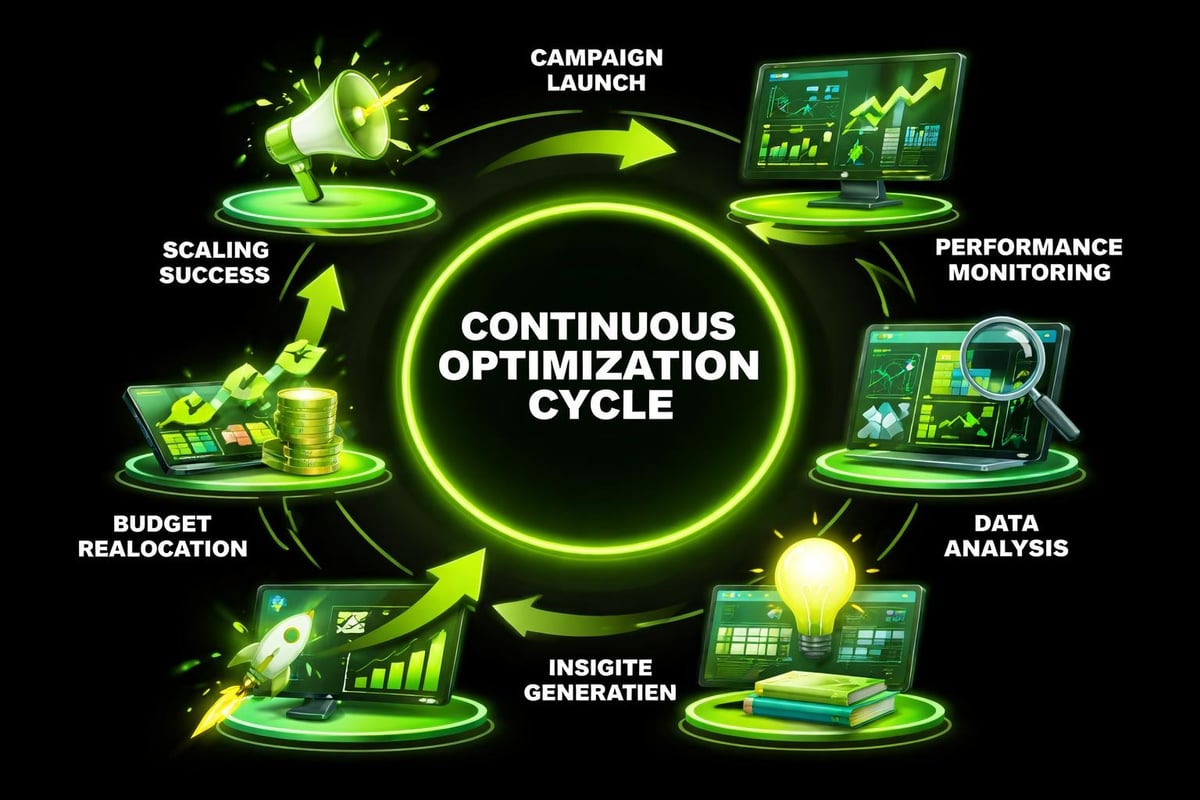
Continuous improvement maximizes ad spends efficiency. Event marketers should dedicate 10-20% of budgets to testing new channels, audiences, creative approaches, and messaging strategies.
Creative Testing Methodology
Creative quality significantly impacts campaign performance. Develop multiple creative variants testing different value propositions, visual styles, calls-to-action, and formats. Systematic testing reveals what resonates with target audiences.
| Test Variable | Options to Test | Success Metric |
|---|---|---|
| Message Focus | Price, Experience, Exclusivity, Speakers | Click-through Rate |
| Visual Style | Photography, Illustration, Video, User Content | Engagement Rate |
| Call-to-Action | Buy Now, Learn More, Reserve Spot, Limited Time | Conversion Rate |
| Ad Format | Carousel, Single Image, Video, Stories | Cost per Acquisition |
Run tests with statistical significance before scaling winners. Small sample sizes produce misleading results that waste ad spends on underperforming approaches.
Seasonal and Timeline Considerations
Event marketing ad spends require strategic timing. Budget allocation should intensify as event dates approach, with awareness campaigns starting months in advance and conversion-focused advertising accelerating in final weeks.
Recommended timeline approach:
- 3-6 months out: Brand awareness and interest generation (25% of budget)
- 1-3 months out: Consideration and engagement building (35% of budget)
- Final month: Conversion optimization and urgency messaging (40% of budget)
This phased approach mirrors typical purchase journeys while maintaining visibility throughout the sales cycle. Adjust timing based on event type, as festivals require longer lead times than conferences or workshops.
Event marketing strategies should align ad spends with natural decision-making patterns. Business conferences see purchases closer to event dates, while consumer festivals generate earlier ticket sales during promotional periods.
Cross-Channel Integration
Isolated channel strategies limit effectiveness. Modern consumers encounter brands across multiple touchpoints before purchasing, making integrated campaigns essential for efficient ad spends.
Develop cohesive messaging that works across channels while adapting creative for platform-specific requirements. Your Instagram story should reinforce the same value proposition as your search ads, YouTube pre-roll, and email marketing, creating consistent experiences that build trust and recognition.
Retargeting bridges channels effectively. Visitors who engage with content on one platform can receive tailored messaging on others, creating personalized journeys that increase conversion probability while optimizing overall ad spends through strategic sequencing.
Strategic management of ad spends determines event marketing success in 2026's competitive landscape. By understanding industry trends, selecting appropriate channels, implementing robust tracking, and continuously optimizing performance, event organizers maximize return on every advertising dollar. Greenslant helps events achieve maximum impact through comprehensive advertising channels, creative production, and advanced tracking solutions designed to boost ticket sales, conversion rates, and brand awareness across all major platforms.