Digital marketing is evolving faster than ever as we head into 2026. Brands are facing more competition, making it crucial to find creative ways to capture attention.
Standing out now means using ad channels that truly deliver results, not just following old trends. Marketers need to be strategic, choosing the right mix of platforms to engage audiences and drive growth.
This article reveals the top 7 ad channels you should focus on in 2026. You’ll discover a blend of digital, social, and traditional options, all backed by data and actionable insights.
Are you ready to boost your campaigns, outpace your competitors, and achieve better ROI? Dive in to learn which ad channels will help you thrive in the modern marketing landscape.
Why Choosing the Right Ad Channels Matters in 2026
Consumers in 2026 are bombarded with more than 5,000 ads every day, making it harder than ever to capture their attention. With audiences scattered across social media, streaming video, podcasts, search engines, and out-of-home screens, the landscape is more fragmented than ever.
Choosing the right ad channels is critical. The right mix ensures every impression counts and stretches your marketing budget further. Data-driven strategies and advanced targeting let brands reach the right people at the right moment, while generative AI and automation help optimize ad placement and creative in real time.
Inefficient channel selection can quickly drain budgets and limit campaign success. For example, combining TV with digital channels can maximize reach, while social platforms excel at driving engagement. To dive deeper into how different options stack up, check out this Top Advertising Channels Overview for a comprehensive breakdown.
As technology and consumer habits evolve, mastering your ad channels will be the key to staying ahead. Next, let's explore the seven most effective options for 2026.
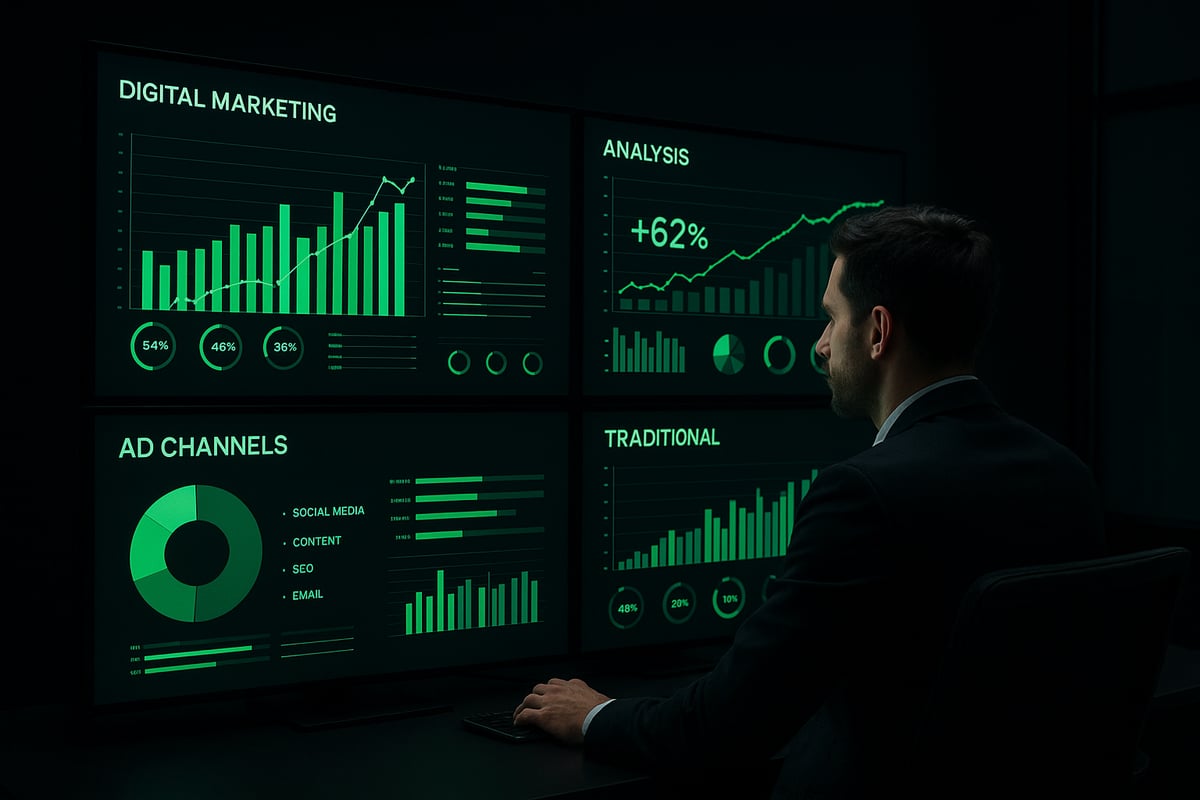
7 Effective Ad Channels to Boost Your Marketing in 2026
Navigating the crowded digital space in 2026 requires a strategic mix of ad channels. Each offers unique strengths, from hyper-targeted social ads to broad-reaching out-of-home campaigns. Let’s break down the top 7 ad channels that will drive real results this year, complete with examples, stats, and practical tips for marketers.
1. Social Media Advertising
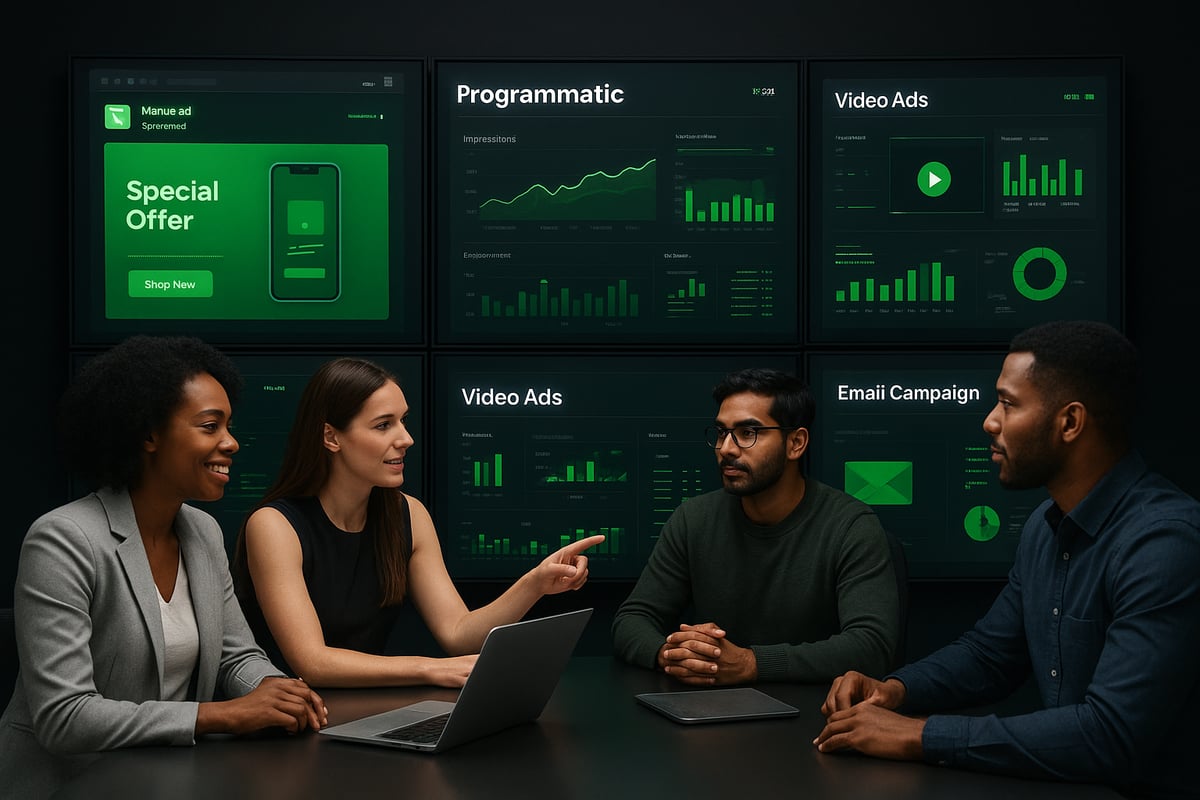
Social media remains a powerhouse among ad channels in 2026. Platforms like Facebook, Instagram, TikTok, and LinkedIn continue to dominate, while emerging networks attract new audiences. Marketers can target users by demographics, interests, and behaviors, or build lookalike audiences for scale. Creative formats such as stories, reels, carousels, and influencer partnerships boost engagement. Automation and AI-driven campaign management save time and optimize results, as explored in Adtech and Martech Insights. Notably, 54% of users are more likely to consider products mentioned on social or podcasts. Instagram Reels excel for Gen Z, while LinkedIn is a B2B favorite. Pros include high engagement, precise targeting, and broad reach. Cons include ad fatigue, strict policies, and frequent platform changes.
2. Search Engine Marketing (SEM)
SEM stands tall in the ad channels landscape. Google Ads, Bing Ads, and evolving voice search options help marketers reach users actively searching for solutions. Intent-based targeting ensures your ads appear when prospects are most receptive. Ad formats range from classic text and shopping ads to responsive search and local service ads. Automation features like smart bidding and dynamic keyword insertion maximize efficiency. With billions of daily queries, Google remains the dominant search engine. Event marketers, for example, use SEM to drive ticket sales quickly. Pros: high intent, measurable ROI, and instant visibility. Cons: competitive bidding, click fraud, and ad blindness can impact performance.
3. Programmatic Display & Native Advertising
Programmatic buying has revolutionized ad channels by allowing real-time bidding and automated placements. Display ads now include banners, rich media, and interactive formats, while native ads blend with content for seamless engagement. Advanced targeting uses retargeting, contextual, and behavioral data to reach the right users. For instance, retargeting visitors with personalized offers increases conversions. Programmatic ad spend continues to grow, reflecting its efficiency and scale. According to Digital Marketing Statistics 2026, programmatic is a key driver of digital ad growth. Pros: scalability, precision, and efficiency. Cons: ad blockers, possible low-quality placements, and creative restrictions.
4. Video & Connected TV (CTV) Advertising
Video remains one of the most engaging ad channels, with platforms like YouTube, Hulu, and Roku leading the charge. Formats include in-stream, out-stream, shoppable video, and interactive ads tailored to viewer behavior. Data-driven targeting ensures your message reaches the right audience. CTV ad spending and viewership are set to rise sharply by 2026, as reported in Connected TV Advertising Statistics. Brands leveraging YouTube pre-rolls often see a boost in product awareness. Pros: high engagement, sensory impact, and broad reach. Cons: higher production costs, ad skipping, and complex measurement.
5. Audio Advertising: Podcasts & Streaming
Audio is gaining ground as one of the most trusted ad channels. Platforms like Spotify, Apple Podcasts, and Pandora offer host-read, programmatic audio, and dynamically inserted ads. Personalization and local targeting are now standard, letting brands reach niche audiences. A striking 54% of podcast listeners are more likely to consider advertised products. Event sponsors increasingly leverage podcast ads for targeted reach. Pros: intimate delivery, trusted hosts, and lower costs compared to video. Cons: limited visuals, potentially lower recall, and ad skipping.
6. Out-of-Home (OOH) & Digital Out-of-Home (DOOH) Advertising
Traditional OOH ad channels like billboards and transit ads remain highly trusted, while DOOH—digital screens in public spaces—are growing fast. Geofencing and mobile data integration enable improved targeting. Dynamic, real-time content updates keep campaigns fresh and relevant. OOH stands out for mass reach and high frequency, making it ideal for brand visibility. For example, event promotions on digital billboards near venues amplify awareness. Pros: broad reach, frequency, and public trust. Cons: limited targeting, higher costs for premium spots, and challenges in measuring direct ROI.
7. Email & CRM Retargeting
Email and CRM retargeting are essential ad channels for nurturing and converting leads. Leveraging first-party data, marketers deliver personalized campaigns through automation, drip sequences, and behavioral triggers. Integration with social, search, and web retargeting boosts overall impact. Email consistently ranks among the highest ROI ad channels for marketers. Event marketers use email to nurture leads and drive conversions efficiently. Pros: full ownership, high personalization, and easy measurement. Cons: deliverability concerns, audience fatigue, and compliance with privacy rules.
Maximizing Channel Performance with Integrated Strategies
In 2026, marketers succeed by orchestrating seamless experiences across multiple ad channels. Multi-channel campaigns create a unified brand journey, reaching audiences where they are most active. Studies show that integrated strategies can boost overall ROI by up to 24 percent, making a compelling case for embracing diverse platforms.
To maximize ad channels, focus on creative consistency and adapt messaging for each environment. Use advanced analytics and attribution to measure which combinations drive the best results. Leveraging AI and automation streamlines optimization, while tools can help manage and refine cross-channel tactics. For a deeper dive into blending formats and platforms, check out Multimedia Advertising Strategies.
Keep testing new approaches and learning from campaign data. Scale successful ad channels for greater impact. Stay ahead by watching trends like AR and VR ads, shoppable content, and privacy-first targeting. As highlighted in the IAB 2026 Outlook Study, AI-driven innovation will continue shaping the future of integrated advertising.
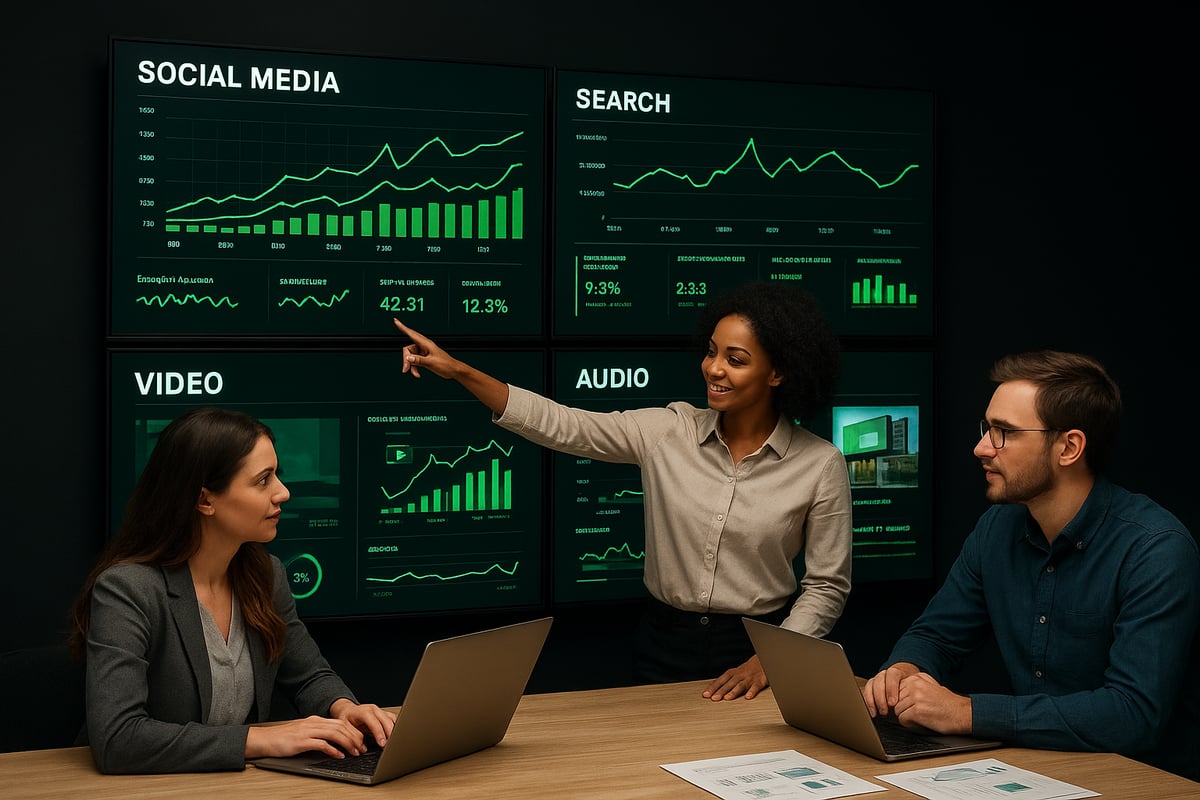
Now that you’ve seen how combining the right ad channels can truly elevate your event marketing in 2026, it’s a great time to reflect on your own strategy. With so many options—social, search, video, audio, and more—it can feel overwhelming to pick what’s best for your goals and budget. That’s where we come in. At Greenslant, we’re passionate about helping you boost ticket sales, conversions, and brand awareness with integrated, data-driven campaigns tailored just for you. Curious about how these channels could work for your next event? Let’s Talk