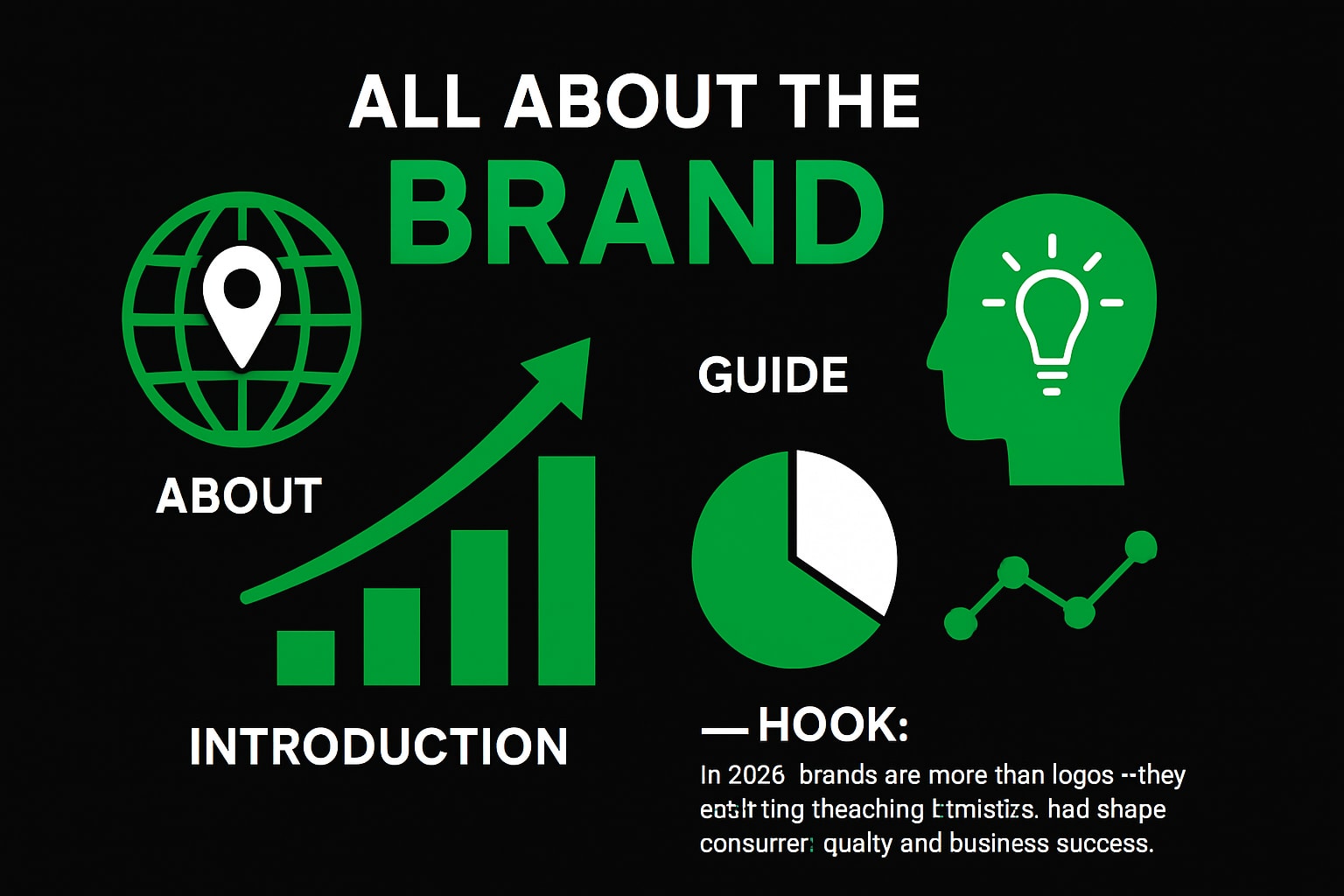
In 2026, brands have evolved far beyond simple logos or catchy slogans. Today, they are living, breathing identities that shape how customers connect with businesses and remain loyal over time.
If you want to understand all about the brand and how to build lasting recognition, a comprehensive brand guide is essential. This article will break down what a brand guide is, explore its core elements, highlight why it matters, share steps for creating one in 2026, and showcase real-world examples.
Ready to unlock a powerful brand identity? Let’s dive in and discover how a clear, future-proof guide can transform your business.
What Is a Brand Guide?
In today’s marketplace, understanding all about the brand means more than just having a logo or a catchy slogan. A brand guide is a foundational document that defines a company’s visual, verbal, and strategic identity. It serves as the blueprint for how a brand looks, sounds, and feels to both internal teams and the outside world.
A modern brand guide ensures that every marketing or communication effort stays consistent, no matter the channel. In 2026, these guides have expanded to include not only traditional print and digital assets, but also experiential and social elements. This shift helps brands stay relevant across platforms, from websites to virtual events.
Let’s break down the differences:
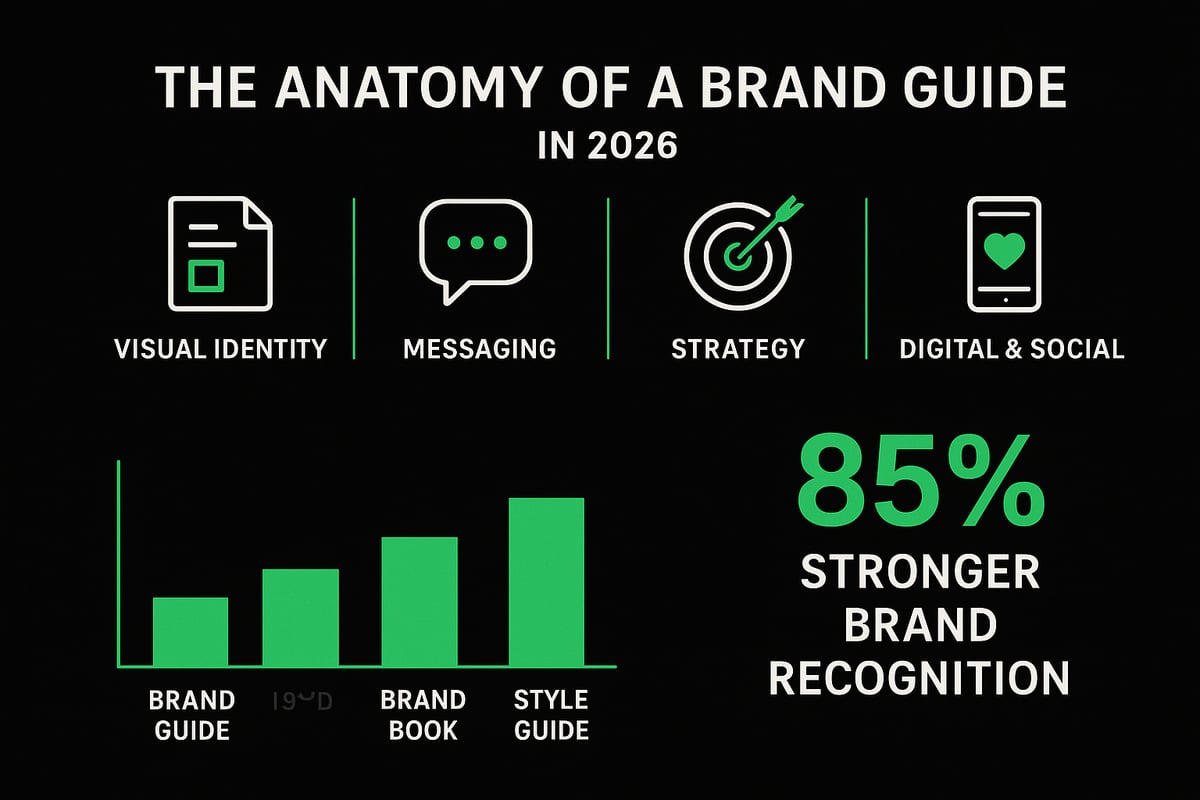
| Document Type | Purpose | Key Features |
|---|---|---|
| Brand Guide | Defines overall brand identity | Visuals, messaging, strategy |
| Brand Book | Tells the brand story | History, values, narrative |
| Style Guide | Sets writing/design standards | Grammar, logo usage, colors |
Whether you’re a startup or a global enterprise, a brand guide is essential. For example, Apple’s minimalist approach and Nike’s emotionally charged branding both rely on clear, actionable guides. According to industry surveys, 85% of organizations with a brand guide report stronger brand recognition.
With more teams working remotely or in hybrid setups, a centralized brand guide keeps everyone aligned. If you want to explore more about all about the brand and see how leading companies approach branding, check out the Branding Category Insights for further reading.
Core Elements of a Modern Brand Guide
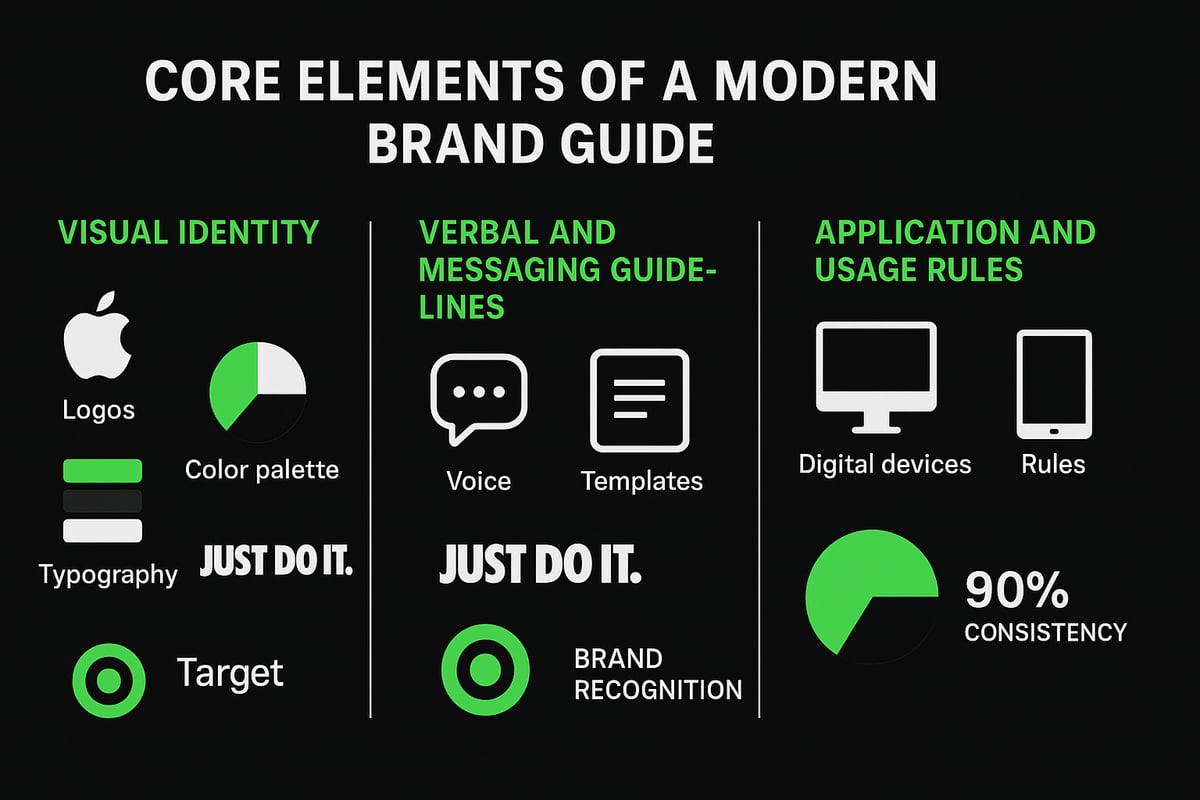
A modern brand guide is the blueprint for building consistency and trust. It covers all about the brand, from how it looks to how it sounds, ensuring every touchpoint delivers the intended message. Let’s break down its essential parts.
Visual Identity
Visual identity sets the tone for all about the brand. It defines logo usage, from placement to sizing and color options. The color palette includes primary, secondary, and digital-safe shades for consistency everywhere.
Typography rules guide font choices and hierarchy, making content accessible. Imagery and icons reinforce the brand’s personality. For example, Apple’s monochrome logo and Target’s bold red show how visual choices leave a mark.
Verbal and Messaging Guidelines
Messaging guidelines shape how all about the brand communicates. Brand voice and tone describe personality, whether playful or professional. Key messaging pillars clarify mission, vision, and unique value propositions.
Taglines, like Apple’s “Think Different” or Nike’s “Just Do It,” come with usage rules. Copywriting dos and don’ts help teams stay on message. These guidelines ensure every word supports the overall brand story.
Application and Usage Rules
Application rules show how all about the brand appears across channels. Digital, print, and live experiences each have their own template needs. Social media adaptations and influencer collaborations require flexible guidelines.
Templates for ads, packaging, and presentations keep everything on-brand. Co-branding rules and inclusivity standards protect the brand’s image. For deeper insight, see Effective Branding Strategies, which highlights the importance of consistency in every application.
Why Every Business Needs a Brand Guide in 2026
In 2026, businesses face an unprecedented challenge: maintaining a recognizable and trusted identity across countless digital and physical channels. Understanding all about the brand is no longer optional, it is essential for survival and growth.
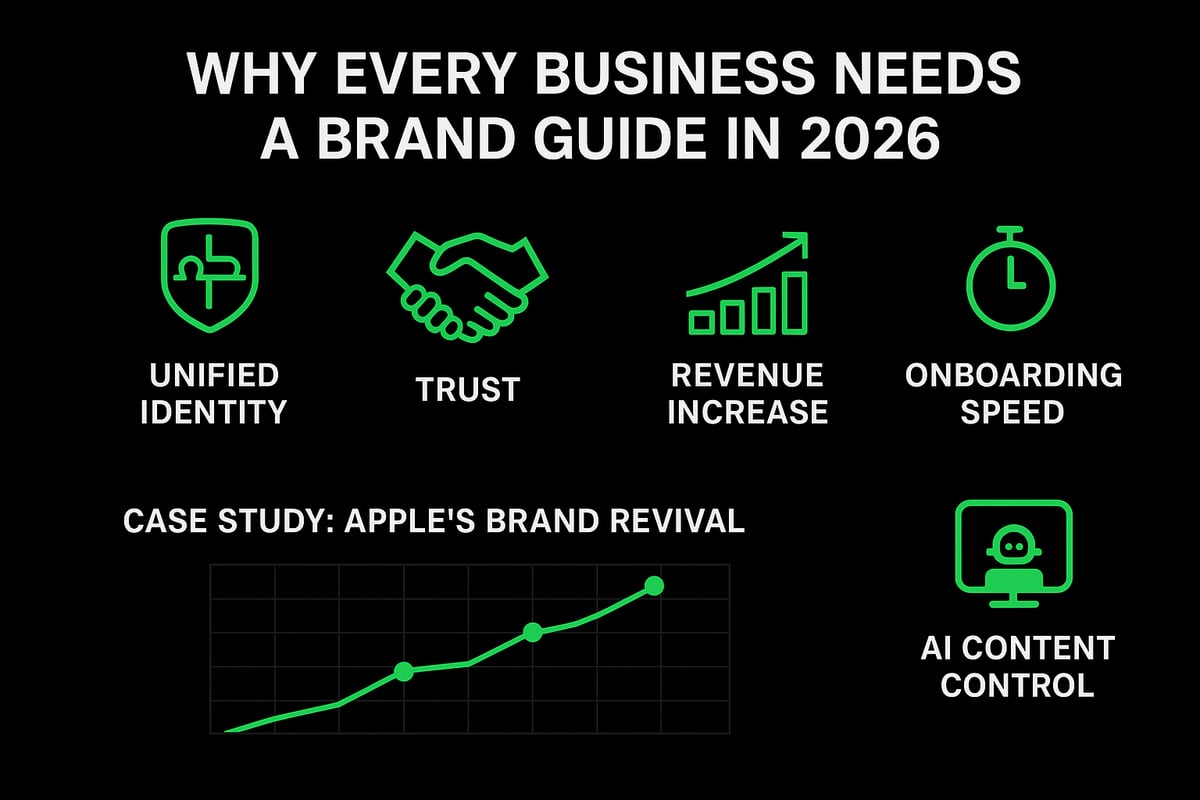
A brand guide ensures your message and visuals stay consistent, whether customers encounter your brand on social media, websites, packaging, or in-person experiences. This consistency is key to building trust, increasing brand recognition, and boosting overall brand equity. In fact, brands that prioritize consistency see revenue increases of up to 23%, as highlighted in Brand consistency increases revenue by 23%.
Here are the main reasons every business needs a brand guide in 2026:
- Unified identity across omnichannel touchpoints
- Faster onboarding for new employees and agencies
- Protection against brand dilution or misrepresentation
- Support for rapid scaling, mergers, or rebranding
- Clear boundaries in the era of AI-generated content
A powerful example is Apple’s brand revival after 1997, which was driven by a renewed focus on strict brand management and clear guidelines. This move not only restored consumer trust but also set the stage for global recognition.
With the digital landscape growing more complex, knowing all about the brand and having a well-documented brand guide is the foundation for long-term business success.
Steps to Creating a Future-Proof Brand Guide
Building a future-proof brand guide is essential for any business that wants to master all about the brand in 2026. The process involves three clear steps, each designed to ensure your guide remains relevant, consistent, and actionable.
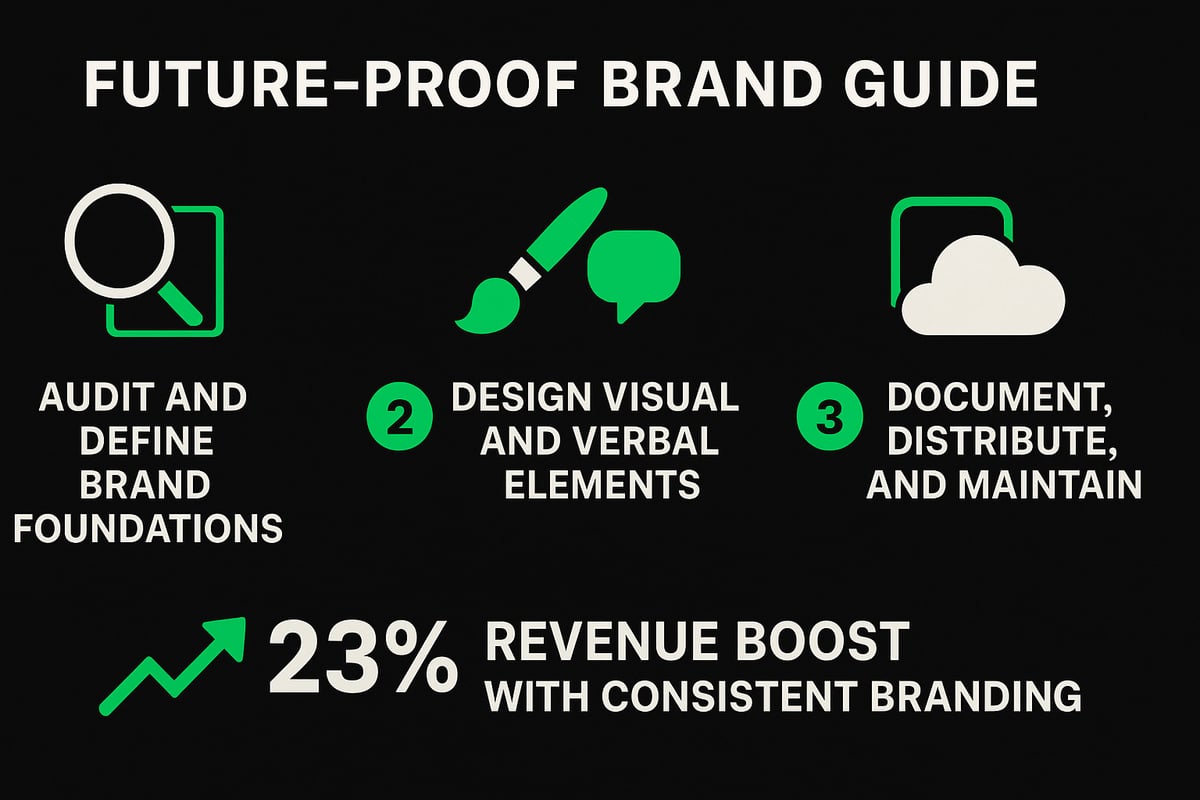
Audit and Define Brand Foundations
Start with a comprehensive audit of your current brand assets and audience perceptions. Clarify your mission, vision, and core values to reflect where your business stands in 2026 and where it’s headed.
Gather feedback from leadership, marketing, and customer service teams. Use surveys and competitor analysis tools to identify what makes your brand unique in a crowded market.
- Review existing logos, messaging, and touchpoints
- Interview stakeholders for insights
- Analyze competitor positioning
This foundation sets the stage for all about the brand and ensures your guide aligns with your long-term goals.
Design Visual and Verbal Elements
Once you understand your brand’s foundation, develop visual and verbal assets that resonate in a digital-first world. Update logos, color schemes, and typography for online and offline use.
Define your brand’s voice and messaging to connect with diverse audiences, from Gen Z to emerging markets. Ensure accessibility standards are met, making your brand inclusive for everyone.
- Collaborate with designers and writers
- Create style samples and test them with real users
- Document clear do’s and don’ts for both visuals and copy
This step brings your brand’s personality to life, making it easy for anyone to communicate your values.
Document, Distribute, and Maintain
Compile your guidelines into a centralized, digital brand guide that’s easy for teams and partners to access. Train everyone involved on proper usage, and schedule regular reviews to keep your guide up to date.
Use brand management platforms for version control and digital tracking tools to monitor usage across channels. For more tools and templates to streamline this process, check out Marketing Resources for Brands.
- Store the guide in a cloud platform
- Host training workshops
- Set reminders for periodic updates
Following these steps will help your business master all about the brand, ensuring consistency and adaptability for years to come.
Brand Guide Success Stories: Real-World Examples
What makes a brand stand out in 2026? It’s all about the brand and how a clear guide shapes every touchpoint. Let’s look at some brands that have mastered this art.
Apple’s minimalist brand guide helped reinvent its image, fueling global loyalty and recognition. Their focus on simplicity and emotional resonance is legendary. Nike’s story is similar, with its iconic guidelines supporting a community built around “Just Do It.” Consistency in visuals and messaging creates deep emotional ties.
Target’s unified color and design language strengthens shopper trust, both online and in-store. Patagonia’s brand guide goes further, weaving sustainability and activism into every element. This authenticity boosts customer loyalty and positions Patagonia as a leader in ethical branding.
According to the most powerful global brands 2025, companies with robust brand guides are three times more likely to achieve high brand value. These success stories prove that all about the brand means more than a logo—it’s about building tribes and staying relevant.
| Brand | Core Focus | Result |
|---|---|---|
| Apple | Minimalism, Emotion | Global recognition |
| Nike | Community, Consistency | Lasting loyalty |
| Target | Unified Design | Trust across channels |
| Patagonia | Ethics, Activism | Loyal, purpose-driven base |
The Future of Brand Guides: Trends and Innovations for 2026
Brand guides in 2026 are transforming rapidly, keeping pace with technology, changing consumer expectations, and the need for greater transparency. Let’s explore the most important trends shaping all about the brand in the years ahead.
AI and Automation in Brand Management
AI is revolutionizing how brands manage consistency and compliance. Automated tools now monitor assets, flagging off-brand materials instantly. Content creation platforms use machine learning to ensure every output matches the brand’s voice, look, and feel.
Brands are also tapping into predictive analytics to anticipate shifts in public perception. Real-time compliance checks help marketers adapt swiftly. For a deeper dive into how AI is driving branding trends, check out Top branding strategies for 2025.
Personalization and Dynamic Branding
Today, all about the brand means adapting to diverse audiences. Dynamic brand assets, like color schemes or logos, change depending on user segments or event contexts. Automation helps marketers deliver hyper-personalized content while maintaining core identity.
Balancing consistency with flexibility is key. For example, global campaigns may use localized slogans or imagery, but retain unified brand essence. This approach allows brands to stay relevant across different cultures and platforms.
Sustainability, Ethics, and Inclusivity
Modern brand guides embed ethical standards and sustainability commitments into every guideline. Inclusive design ensures accessibility for all, while transparency in sourcing and messaging builds trust.
Brands like Patagonia set the standard by aligning their guides with activism and responsible values. In 2026, these elements are not optional—they’re essential to all about the brand, helping organizations stay authentic and resilient in a shifting world.
You’ve seen how a strong brand guide shapes everything from your visuals and messaging to the way your team works together—especially as we head into 2026’s dynamic landscape. If you’re ready to take control of your event marketing and create a brand identity that truly stands out, let’s connect and explore the solutions that can boost your ticket sales, conversion rates, and brand awareness. I’d love to help you unlock your brand’s full potential and navigate the challenges ahead together. Let’s Talk
Article written using RankPill.