In today's hyper-competitive business world, branding is much more than just a logo or a catchy slogan. It is a vital business asset that can make or break your company’s success in 2026.
The landscape is shifting quickly, and brands that thrive are those that understand and act on the right branding metrics. These numbers reveal how healthy your brand truly is and whether your efforts are paying off.
Curious about which branding metrics matter most? In this article, you’ll discover the nine essential metrics every marketer should track. Each one comes with practical examples and data-backed insights, so you can make smarter decisions and boost your return on investment.
Ready to future-proof your brand? Start mastering these branding metrics now, and watch your brand’s impact grow.
Why Branding Metrics Matter in 2026
The world of branding is rapidly changing. Digital transformation and shifting consumer expectations are redefining how brands are built and perceived. Today, a brand’s value is determined not just by its image, but by the data behind it.
Without the right branding metrics, marketers are left guessing about their impact. Metrics make brand performance visible, turning abstract concepts into actionable insights. This clarity allows companies to understand what drives brand growth and where to focus resources.
Branding metrics also help align branding with core business goals. When you track the right indicators, you can tie branding efforts directly to sales, loyalty, and market share. It’s important to avoid vanity numbers and instead focus on metrics that drive strategy. For deeper analysis on these trends and actionable data, explore branding insights and trends.
Comparing your brand’s metrics with competitors is essential. Leading companies like Nike and HubSpot use brand data to refine campaigns and drive engagement. In fact, 96% of employers believe brand reputation has a direct impact on revenue, underscoring the importance of measurement in today’s market.
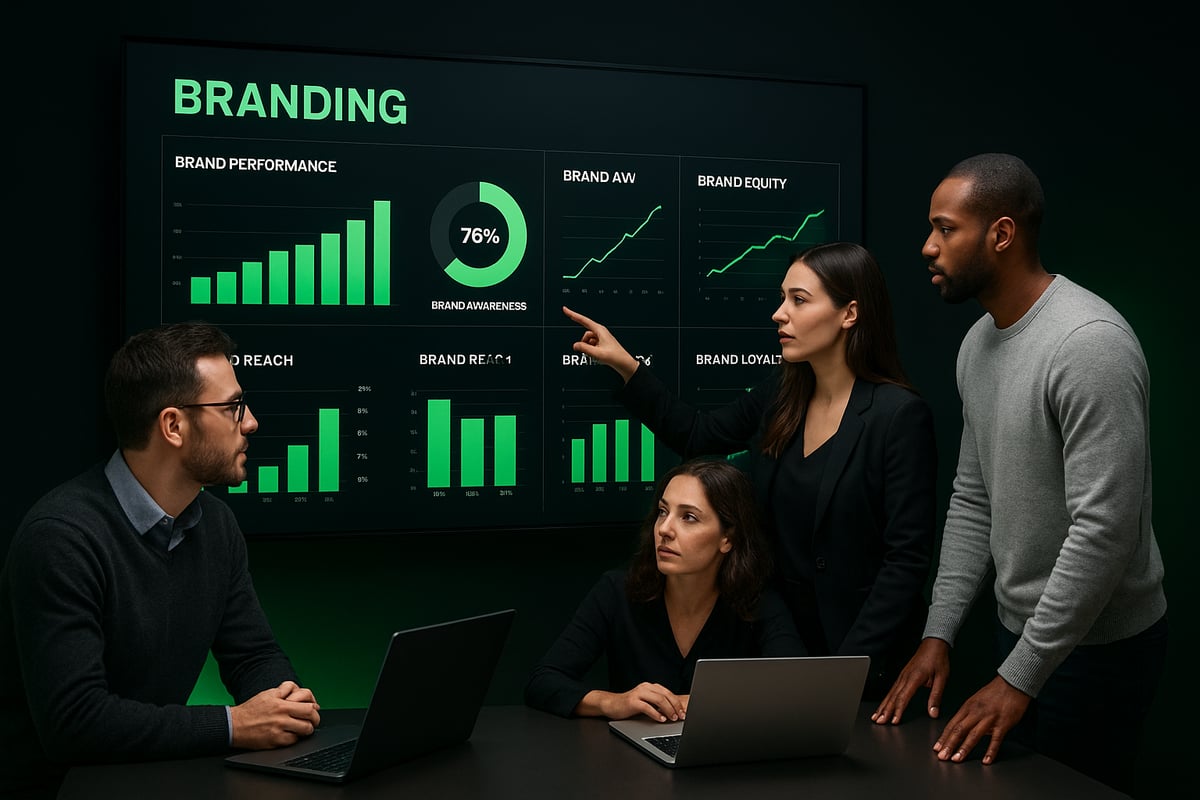
The 9 Must-Know Branding Metrics To Track Success In 2026
Tracking the right branding metrics is essential for understanding your brand’s true performance in 2026. These nine metrics give marketers actionable insight, ensuring every campaign and touchpoint is measurable. Let’s explore each, with practical examples and proven methods.
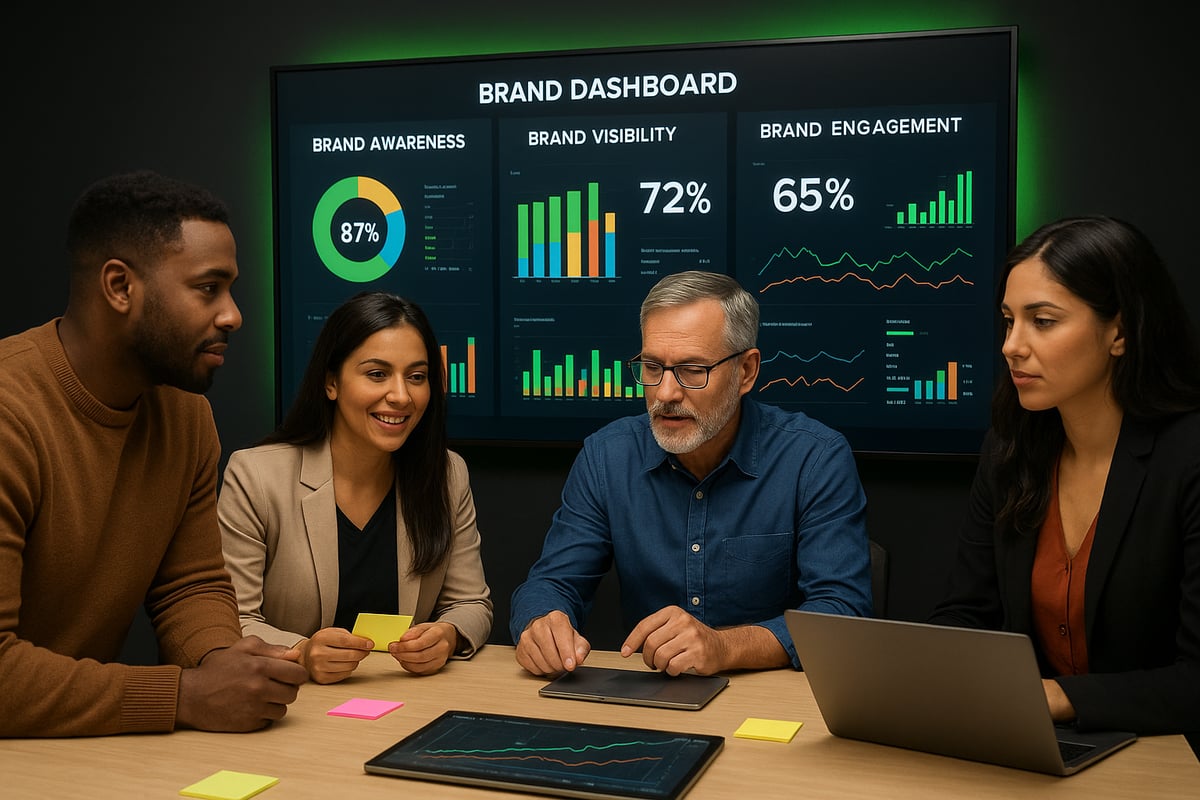
1. Brand Awareness
Brand awareness measures how many people recognize and recall your brand. It’s the foundation for expanding reach and entering new markets. Methods include surveys, social listening, and brand recall studies. Monitoring social media mentions and search volumes also reveals awareness trends.
For practical guidance, see this Brand Awareness Measurement Guide, which explains how to assess recognition using modern tools. Tracking this branding metrics over time shows campaign effectiveness and highlights opportunities for growth.
2. Brand Favorability
Brand favorability gauges how positively people feel about your brand after exposure. This is measured through consumer surveys and sentiment analysis. Open-text responses can uncover the reasons behind sentiment shifts.
Nike, for instance, uses empowerment campaigns to boost favorability and loyalty. High favorability within your branding metrics often signals increased customer retention and advocacy.
3. Brand Visibility (Share of Voice)
Brand visibility, or share of voice, reflects your brand’s presence compared to competitors across all channels. This includes advertising share, online mentions, and media coverage. Tools like media monitoring and social listening platforms help quantify this branding metrics.
Thought leadership webinars are a proven way to boost B2B visibility. Improved visibility often translates to higher trust and better conversion rates.
4. In-View Time
In-view time measures how long your brand message stays in front of your audience. It goes beyond impressions, showing true engagement with video and display ads. Longer exposure leads to stronger recall.
Industry data suggests even one minute of in-view time can boost message retention. Aligning this branding metrics with content “time to read” or “watch” ensures your messaging sticks.
5. Branding Linkage
Branding linkage tests if audiences can identify your brand without seeing explicit cues like logos or slogans. Creative testing surveys and A/B testing are common methods.
A strong branding linkage means your assets reinforce brand identity, even when unbranded. For example, can people still spot a McDonald’s ad without the clown? This branding metrics helps balance creative freedom with consistency.
6. Persuasion Rate
Persuasion rate measures how effectively your branding drives desired actions, such as purchases or signups. Track this branding metrics through cohort analysis and conversion tracking after campaigns.
Surveys can also gauge purchase intent post-exposure. Higher persuasion rates indicate your messaging resonates and motivates your audience.
7. Universal Interaction Rate (UIR)
Universal Interaction Rate is the percentage of impressions where users interact with branded content. This branding metrics captures all engagement types, from hovers to video plays.
It’s especially valuable for interactive ads and new digital formats. Campaigns with high UIR often outperform static ones, reflecting greater attention and curiosity.
8. Retransmission (Brand Advocacy)
Retransmission tracks how often your brand message is shared or recommended. It includes word-of-mouth, referrals, and social shares. This branding metrics shows the organic reach and strength of advocacy.
Brand ambassadors and influencers can amplify retransmission. Growth here signals rising loyalty and deeper market penetration.
9. Sales Attributable to Branding
This metric measures the direct and indirect impact of branding on revenue. Advanced tracking tools and attribution models are needed to tie campaigns to sales outcomes.
Branding metrics like this align marketing with bottom-line objectives. For e-commerce, sales spikes may be immediate, while B2B brands could see a delayed effect.
How to Implement and Track Branding Metrics Effectively
To successfully track branding metrics, start by aligning your measurement strategy with your overall business objectives. Set clear goals so every metric you monitor directly supports what matters most to your brand’s growth.
Next, select branding metrics that are actionable and relevant. Avoid tracking numbers just for the sake of data. Instead, focus on indicators that reveal real progress. Combine quantitative approaches, like analytics dashboards and surveys, with qualitative feedback to capture the full picture.
Leverage modern tools, such as social listening platforms and creative testing software, to gather insights efficiently. Establish regular reporting cycles to monitor trends, spot opportunities, and course-correct as needed. Involving cross-functional teams—marketing, sales, and insights—ensures a holistic view of your brand's performance.
For a deeper dive into actionable tactics, explore these effective branding strategies that connect practical steps to measurable outcomes. Brands like HubSpot regularly align their branding metrics with both recruitment and sales KPIs, ensuring every action ties back to business results.
Finally, use your data to adapt and refine your approach. The most successful brands treat branding measurement as an ongoing process, not a one-time project.

Common Pitfalls and Best Practices in Branding Measurement
Understanding branding metrics is crucial, but many teams stumble over common pitfalls that undermine their results. Without a clear approach, it’s easy to get lost in a sea of numbers.
Common Pitfalls:
- Chasing Vanity Metrics: Avoid focusing on numbers like followers or likes if they don’t drive business results. Instead, measure what impacts your goals.
- Measuring Everything: Tracking too many branding metrics can dilute insights. Prioritize those most aligned with your strategy.
- Poor Data Quality: Relying on unreliable sources or unvalidated surveys can distort your view. Always ensure data integrity.
Best Practices:
- Context Matters: Compare your branding metrics against industry benchmarks and competitors for meaningful interpretation. For a solid foundation, see All about the brand.
- Balance Short and Long-Term: Monitor immediate effects, like interaction rates, alongside long-term indicators such as favorability and advocacy.
- Continuous Improvement: Use branding metrics to test, learn, and refine campaigns, rather than setting and forgetting.
- Stay Agile: As channels and consumer behaviors shift, regularly review and update your metric mix for relevance.
By focusing on these best practices, you ensure branding metrics truly inform growth, not just reporting.

Now that you know which branding metrics really matter in 2026, you’re ready to move beyond guesswork and start making data driven decisions for your event’s success. Tracking awareness, favorability, and all the way to sales means you can finally connect your brand strategy to real business outcomes. If you want to see how these insights can work for your next event or need help setting up advanced tracking and creative campaigns, I’d love to help you put these ideas into action.
Let’s Talk
Together, we can boost your ticket sales, grow your audience, and take your brand to the next level.