
Success in event marketing hinges on one critical factor: connecting with the people most likely to attend, engage, and share your event. Whether you're promoting a music festival, business conference, or community gathering, reaching a target audience requires precision, strategy, and deep understanding of who will benefit most from your event. The difference between sold-out venues and empty seats often comes down to how effectively you identify and communicate with your ideal attendees.
Understanding Your Event's Ideal Attendee Profile
Before launching any marketing campaign, you need to define exactly who you're trying to reach. Event marketers must go beyond basic demographics and dive into psychographic details that reveal motivations, interests, and behaviors.
Key audience characteristics to identify:
- Age range and generational preferences
- Geographic location and travel willingness
- Income level and spending capacity
- Professional background and industry
- Hobbies, interests, and lifestyle choices
- Previous event attendance patterns
HubSpot’s guide to defining your target audience emphasizes using analytics to gather demographic details and real-time data about your customers, which proves especially valuable when planning event marketing strategies.
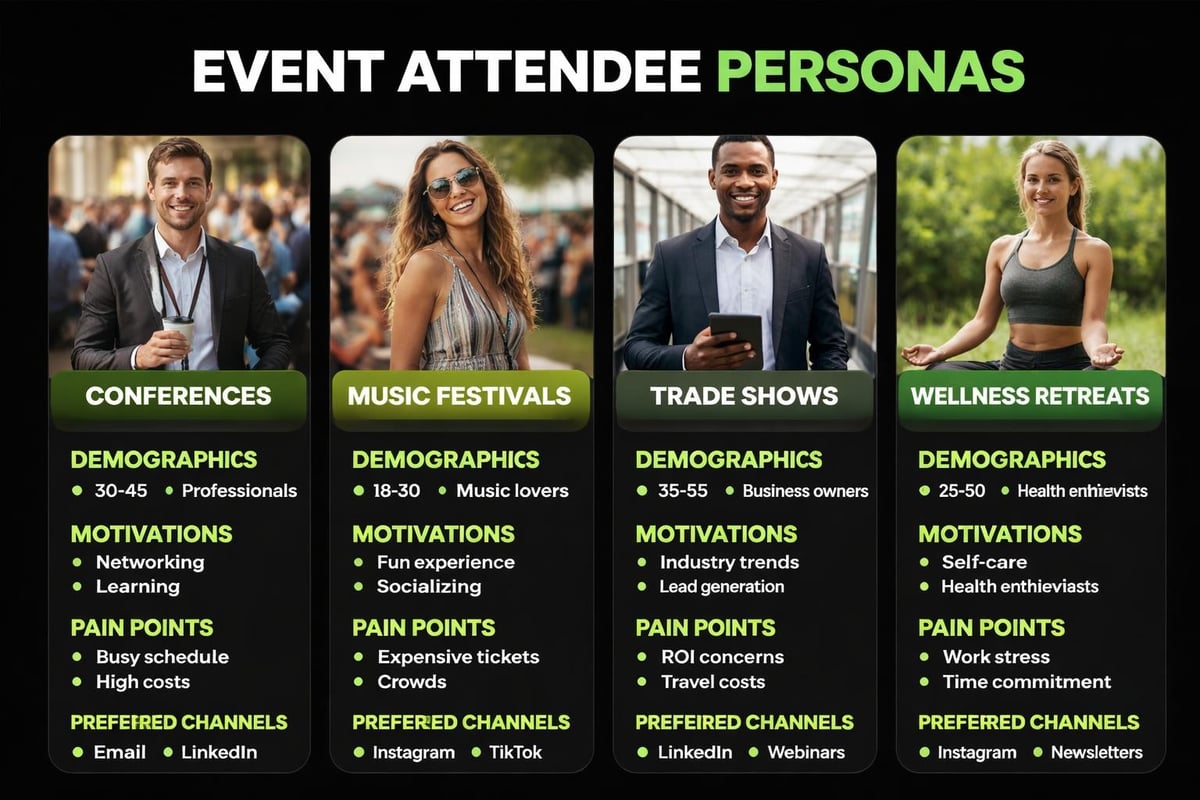
Creating detailed attendee personas transforms abstract concepts into actionable profiles. A corporate conference targeting mid-level managers requires different messaging than a music festival aimed at college students. Each persona should include specific details about pain points, aspirations, and what would motivate them to purchase tickets.
Segmentation Strategies for Events
Audience segmentation allows event marketers to divide broader markets into manageable subgroups with shared characteristics. This approach enables personalized messaging that resonates with specific attendee types.
For a three-day business conference, you might segment by:
- First-time attendees versus returning guests
- Local participants versus those traveling from out of state
- Individual ticket buyers versus corporate group purchases
- Early bird registrants versus last-minute decision makers
Each segment responds differently to marketing messages. First-timers need reassurance about event value and detailed logistics information, while returning attendees might respond better to exclusive perks or loyalty incentives.
Choosing the Right Channels for Audience Engagement
Reaching a target audience means meeting people where they already spend time. Event marketers must research which platforms, publications, and communities their ideal attendees frequent regularly.
| Channel Type | Best For | Engagement Strategy |
|---|---|---|
| Social Media | Younger demographics, B2C events | Visual content, influencer partnerships |
| Email Marketing | Professional events, repeat attendees | Segmented campaigns, early access offers |
| Paid Search | High-intent searchers, niche events | Keyword targeting, geographic restrictions |
| Industry Publications | Professional conferences, B2B events | Thought leadership, sponsor content |
Strategies for building a strong social media presence include engaging with followers consistently and posting content that aligns with your audience's interests and values.
The most effective event marketing campaigns leverage multiple channels simultaneously. A music festival might combine Instagram influencer partnerships, Spotify playlist placements, and targeted ads on event discovery platforms. The key is maintaining consistent messaging across all touchpoints while adapting format and tone to each platform's unique environment.
Data-Driven Targeting Techniques
Modern event marketing relies heavily on data analytics to refine audience targeting. The synergy between content and data empowers marketers to make informed decisions based on actual behavior rather than assumptions.
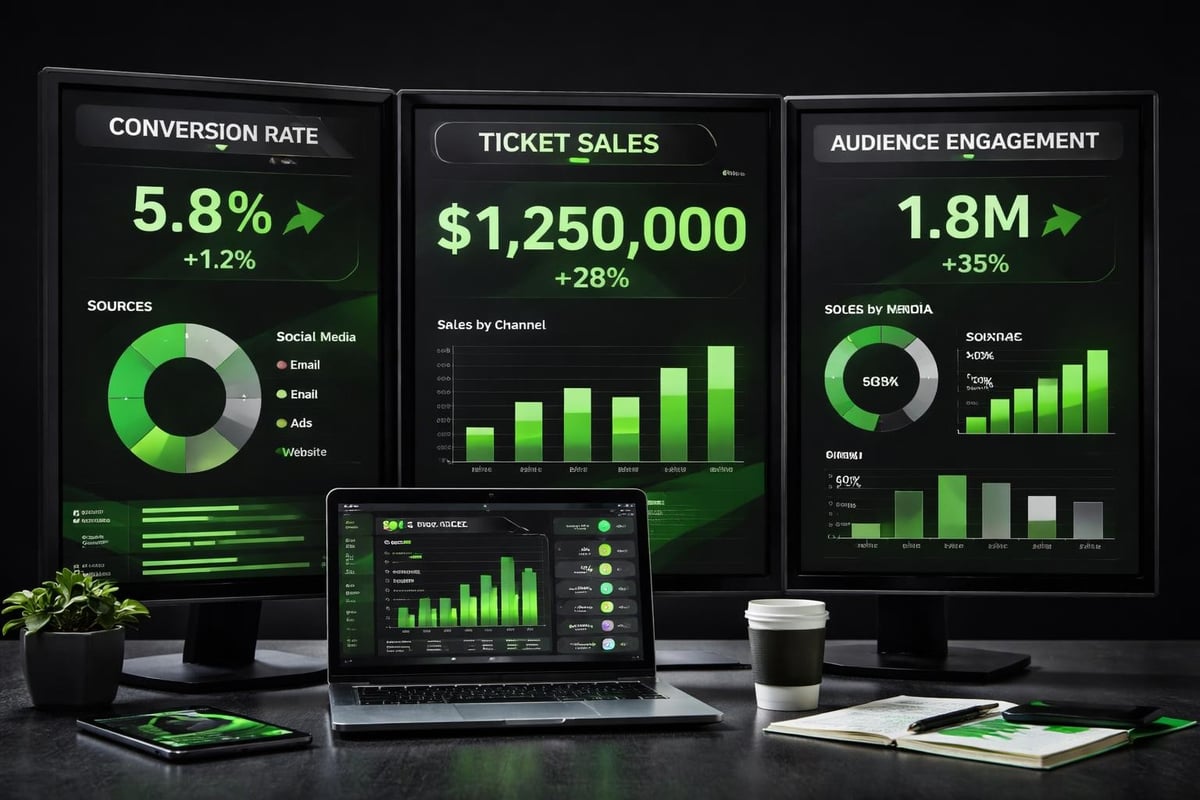
Tracking pixels, UTM parameters, and conversion analytics reveal which marketing messages drive ticket sales. This information allows continuous optimization throughout the campaign lifecycle. If ads targeting women aged 25-34 in urban areas generate higher conversion rates, smart marketers shift budget allocation accordingly.
Essential metrics for event audience targeting:
- Click-through rates by demographic segment
- Cost per ticket sale by channel
- Landing page conversion rates
- Email open rates by subject line variant
- Social media engagement by content type
Crafting Messages That Convert Attendees
Once you've identified and located your target audience, reaching a target audience successfully depends on messaging that addresses specific needs and desires. Generic event promotions rarely outperform personalized communications that speak directly to attendee motivations.
For corporate events, emphasize networking opportunities, professional development, and industry insights. Festival promotions should highlight entertainment value, social experiences, and memorable moments. Landing page campaigns require focused messaging that guides visitors toward a single conversion goal.
Value proposition clarity makes the difference between consideration and commitment. Answer these questions explicitly in your marketing materials:
- What unique experience does this event provide?
- Who else will attend (social proof and community)?
- What tangible benefits justify the ticket price?
- Why should someone act now versus later?
Timing and Frequency Considerations
Campaign timing significantly impacts reaching a target audience effectively. Launch too early, and you risk audience fatigue. Wait too long, and calendars fill with competing commitments.
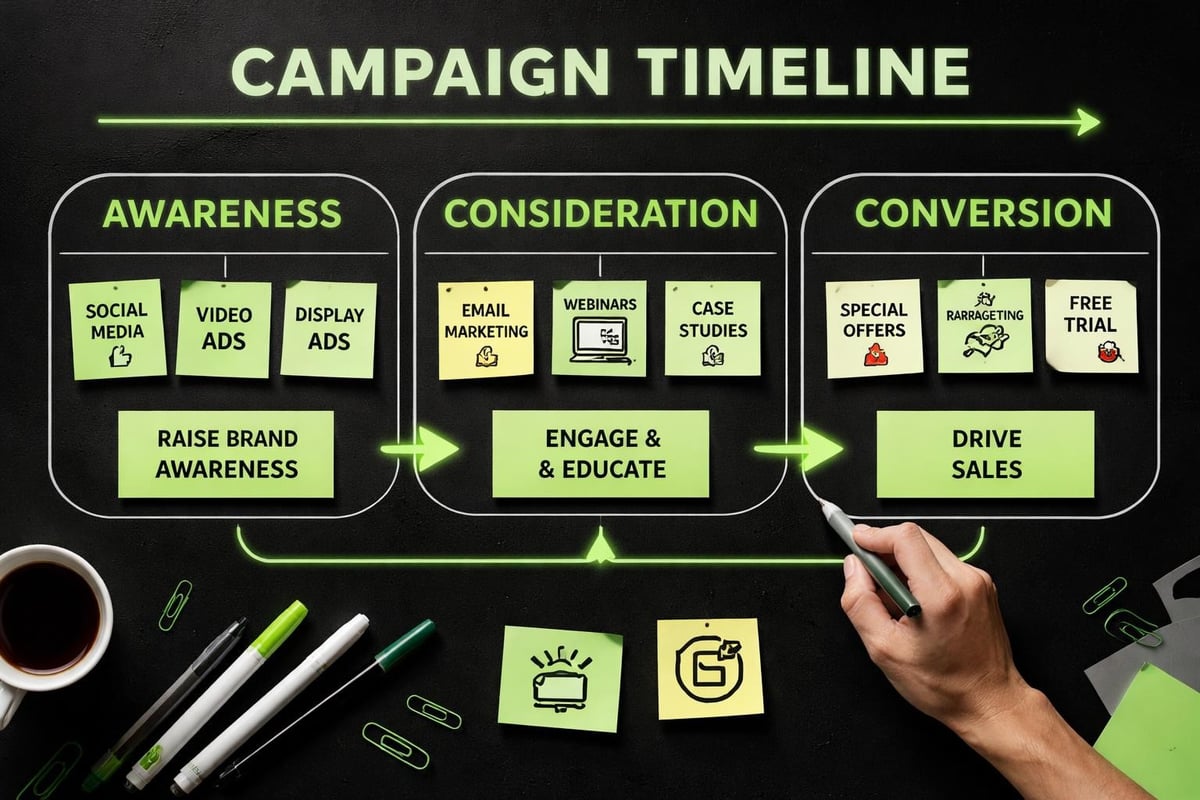
Most successful event campaigns follow a phased approach. Initial awareness building starts 12-16 weeks before the event, creating anticipation without demanding immediate action. Tailoring messaging throughout campaign phases ensures each touchpoint serves a specific purpose in the buyer journey.
Early-stage messaging focuses on awareness and interest, highlighting headliners, speakers, or unique event features. Mid-campaign communications emphasize urgency through early-bird pricing deadlines or limited availability. Final-phase marketing creates last-minute urgency for fence-sitters.
Testing and Optimization for Better Results
Continuous improvement separates good event marketing from exceptional campaigns. Methods to reach and engage your target audience include crafting buyer personas and choosing strategic ad placements, but testing validates whether these approaches actually work.
A/B testing allows event marketers to compare different approaches systematically:
- Subject line variations in email campaigns
- Image choices in social media ads
- Call-to-action button colors and text
- Landing page layouts and content hierarchy
- Pricing presentation and package options
Each test provides insights that inform future decisions. When promoting virtual events versus in-person gatherings, audience preferences may differ significantly, requiring distinct optimization strategies.
Understanding global audience dynamics becomes crucial for events attracting international attendees, where cultural nuances and language preferences affect message reception.
| Test Element | What to Measure | Decision Criteria |
|---|---|---|
| Ad Creative | Click-through rate | Choose version with 20%+ improvement |
| Landing Page | Conversion rate | Implement winner after statistical significance |
| Email Subject | Open rate | Test with 10% of list before full send |
| Audience Segment | Cost per acquisition | Allocate budget to most efficient segments |
The most successful event marketers treat campaigns as ongoing experiments. Even proven strategies benefit from periodic testing, as audience preferences evolve and platform algorithms change. Documentation of test results creates institutional knowledge that improves future campaign performance.
Reaching a target audience demands equal parts research, creativity, and analytical rigor. Greenslant’s marketing solutions combine these elements to help event organizers maximize attendance and revenue through strategic audience targeting and optimization.
Mastering audience targeting transforms event marketing from guesswork into a predictable, scalable system. By understanding who your ideal attendees are, where they spend time, and what messages resonate with their needs, you create marketing campaigns that consistently deliver results. Greenslant specializes in helping event organizers reach the right audiences through comprehensive advertising channels, creative production, and advanced tracking that turns insights into ticket sales and memorable experiences.